

By Tata Mbunwe
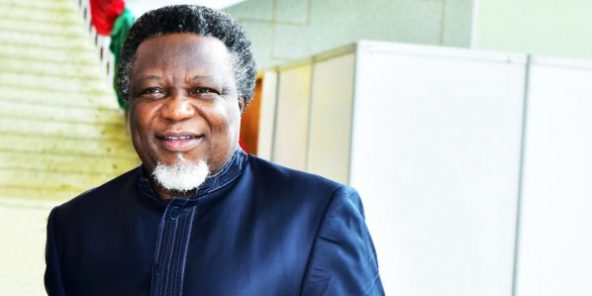
Cameroonian media expert and experienced journalist, Eric Chinje, has penned down an urgent, two-page letter calling media professionals and social media influencers to lead the country’s political revolution with constructive journalism, as they cover this year’s presidential election.
Chinje asserts that the Cameroonian media must take responsibility in guiding citizens to make the right choice in the election, which will take place this October.
The veteran journalism was speaking on behalf of a civil society organisation called Cameroon New Vision Group (CANVI).
He said the media should “help the country identify the leader it wants right now”. He added that journalists should refocus their reports about people, personalities, football, and scandals to the real problems facing Cameroon and the solutions to these problems.
“As the presidential election approaches, it is urgent to conduct a national assessment, debate development options, and for leaders to propose credible solutions to the crises we face,” he wrote.
“It is true that the general fear of electoral fraud has cast a shadow over the process, discouraging open debate and limiting the emergence of candidates with new ideas and viable programs. Public disillusionment is growing, and the space for constructive debate is shrinking. In such a context, the role of the media becomes even more crucial. We must refocus the national debate on the essential issues: governance, economic recovery, social stability, and the future of democracy.”
Defying Censorship With Fact-based Journalism
The call from Eric Chinje comes at a time when the media in Cameroon faces mounting censorship attempts from the government and powerful political and economic interests.
International organisations like Reporters Without Borders classify Cameroon under “dangerous” and “hostile” media environments.
Freedom of expression both online and offline has been stifled, with activists jailed for expressing critical views of the government.
Paradigm Initiative, an international organisation primarily focusing on digital rights advocacy, says the civic space in Cameroon is shrinking and attempts to control freedom of expression and the press are palpable.
In April this year, the institution called for uninterrupted Internet access before, during and after the 2025 election and urged the government to cease using broad laws to criminalize online freedom of expression.
Eric Chinje, who formerly worked for Cameroon’s state television CRTV, acknowledged the challenges facing the Cameroonian civil and political landscape.
But he challenged media professionals to surmount these hurdles with fact-based reporting that exposes the challenges of the common man, with the aim of finding solutions to them.
“We must challenge the forces that seek to stifle debate, denounce the mechanisms that perpetuate political stagnation, and give voice to the aspirations of the people,” he wrote.
“This is not a call for sensationalism or partisanship. It is a call for a renewed commitment to journalism that informs rather than inflames, that seeks solutions rather than simply exposing problems. The Cameroonian
people need facts free from political allegiance, perspectives that illuminate rather than obscure, and stories that reflect the struggles and aspirations of the nation,” he added.
Despair Among Cameroonians
His letter was informed by key challenges facing Cameroonians. He listed some of them to include unemployment, economic hardship, lack of standard health and education facilities and the mass exodus of Cameroon’s fine brains abroad in search for greener pastures.
These issues, he said, have plunged citizens in a state of hopeless despair, with a profound hunger for change.
“As if struck by some kind of fatality, we seem to have abandoned all hope, all will for true national development, and all hope for the future of the country. In the political jungle that our country has become, the mantra is the survival of the fittest,” he said.
Against all these odds, Chinje urged the media to help Cameroonians “win the war for democracy and development”.

