



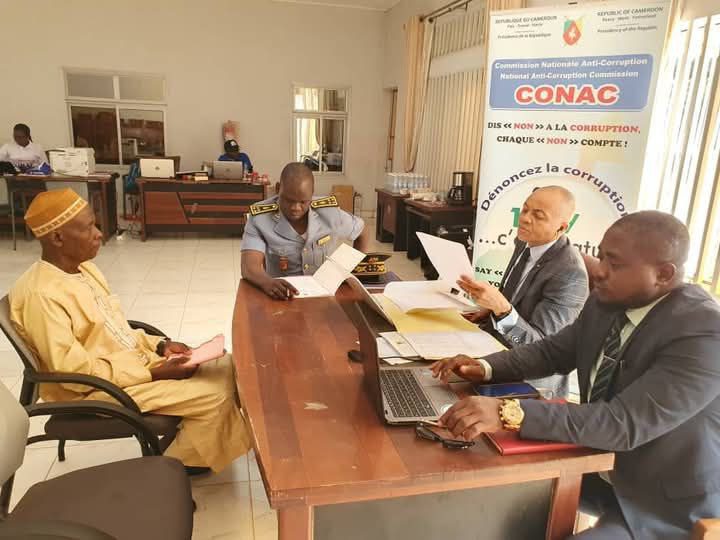
The National Anti-Corruption Commission (CONAC) launched its “Anti-Corruption Clinic” on Monday in Ngaoundéré, in Cameroon’s Adamawa region. The initiative, hosted at the Regional Council’s conference hall, aims to gather citizen reports of corruption, bribery, and embezzlement over the course of one week.
According to CONAC, its teams are mandated to listen to testimonies, process complaints, and forward serious cases to judicial authorities when necessary.
Persistent Doubts About Impact
Despite these efforts, public perception remains skeptical. Many residents question the real impact of such operations, citing a lack of tangible results from previous initiatives. Although awareness campaigns, seminars, field visits, and reporting mechanisms—such as the toll-free number 1517, WhatsApp line 658 26 26 82, and the email address [email protected]—have been promoted, corruption continues to affect public services and hinder development in the region.



Allegations of Selective Enforcement
Some citizens express concern that CONAC’s actions avoid high-level offenders and focus only on lower-level individuals. “It’s always the small fish that get caught, while the real power players enrich themselves with impunity,” said a secondary school teacher who attended the clinic’s launch anonymously.
There are also accusations that CONAC officials selectively handle complaints and avoid sensitive cases that could implicate influential networks.
Leadership and Public Trust
Led by Reverend Dr. Dieudonné Massi Gams, CONAC maintains its stance on combating corruption. However, trust in the commission remains fragile among many residents of Adamawa. Citizens are increasingly calling for more than just temporary campaigns—they demand measurable outcomes, exemplary sanctions, and genuine commitment across all levels of government.
Can the Clinic Restore Confidence?
Whether the Anti-Corruption Clinic will succeed in restoring public confidence is uncertain. In a region where corruption is not hidden but widely acknowledged, residents remain cautious. The initiative may represent a step forward, but its long-term credibility will depend on sustained action and accountability.

