



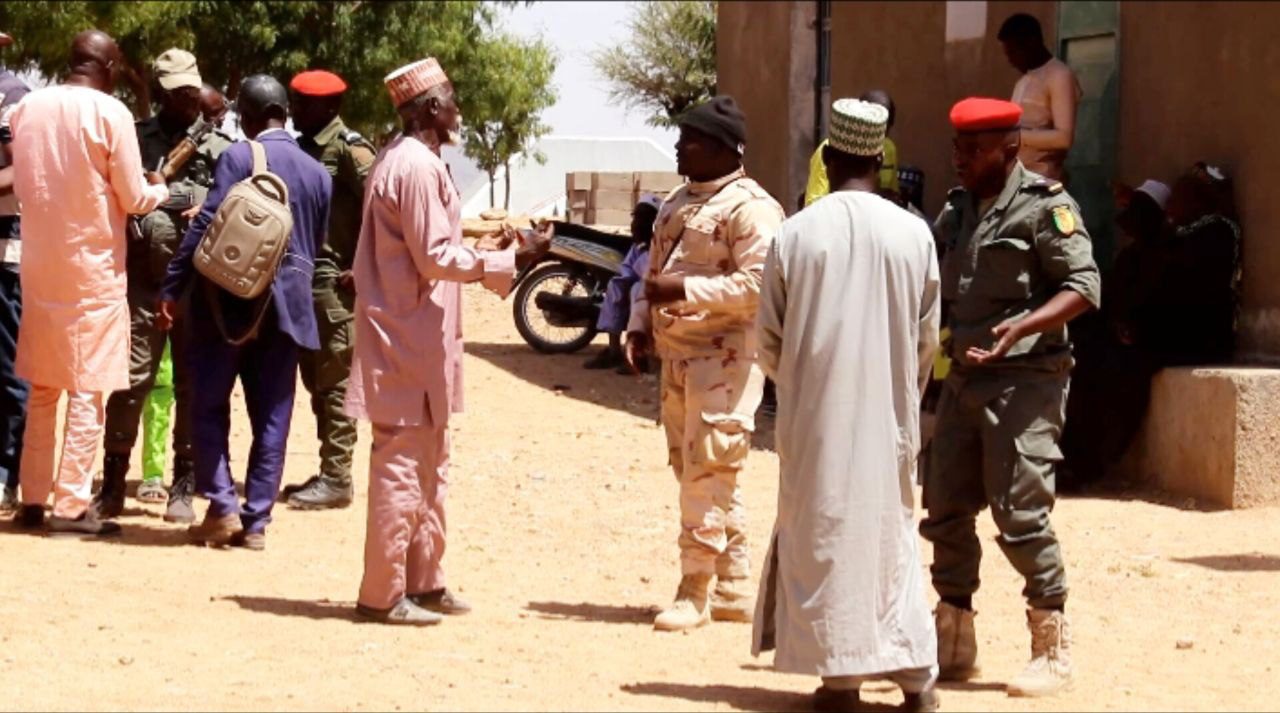
The village of Vité, located in the heart of Mayo-Tsanaga, Far North Cameroon, is facing a growing climate of tension and instability. What was once a peaceful community has become increasingly divided following the appointment of Ndemha Etienne as Third-Class Traditional Chief—a designation that many locals claim violates customary norms.
Community Discontent
Initially perceived as a routine administrative procedure, the installation of Ndemha Etienne has been met with resistance from village elders and residents alike. Critics argue that the process lacked transparency and failed to adhere to established local customs. They assert that the village’s traditional council did not receive any substantial consultation, nor was the chieftaincy position formally declared vacant. Moreover, they claim the appointment occurred outside the territorial bounds of Vité, raising further concerns about its legitimacy.
This perceived breach of protocol has sparked widespread disapproval. Many villagers do not recognise Ndemha Etienne as the legitimate custodian of their traditional authority, and this rejection appears to have triggered deeper social and security-related consequences.
Security Worsens Amid Leadership Crisis
Simultaneously with the leadership dispute, the security situation in Vité has deteriorated. Residents report an uptick in kidnappings for ransom, livestock theft, and intimidation. While these issues are not new to the region, some locals draw a direct correlation between the rising insecurity and the ongoing leadership crisis.
“When a community no longer recognizes its leader, the very foundation of authority collapses,” said a village elder who requested anonymity.
This breakdown in traditional authority, according to observers, is eroding the social cohesion that once held the community together.



Political Ramifications for the CPDM
Beyond local security concerns, the crisis is raising alarm within the ruling Cameroon People’s Democratic Movement (CPDM). Party activists worry that the community’s growing distrust could lead to reduced voter turnout or even a political shift toward opposition parties in future elections. Historically, Vité has been a stronghold for the RDPC, but reports suggest a gradual decline in grassroots support.
“This could have long-term political consequences,” said one local party member. “The base is no longer engaged, and people feel excluded.”
Authorities Maintain Legitimacy of Appointment
Despite the rising tensions, the SDO of Mayo-Tsanaga has dismissed concerns over the legitimacy of the chieftaincy appointment.
In an interview with Équinoxe Radio, he asserted that the Divisional Officer of Mogodé said they executed the selection process in accordance with all legal procedures and applicable laws.
Nevertheless, his reassurance has done little to calm unrest within the village.
Community Demands Transparency and Inclusion
At the heart of the conflict is not just a dispute over a chieftaincy title, but a broader cry from the community for recognition and participation. Residents say they feel stripped of their voice and their cultural bearings, and many express concern over the political and social direction the village may take if the situation remains unresolved.
As Vité navigates this period of uncertainty, both traditional legitimacy and political stability hang in the balance.

