

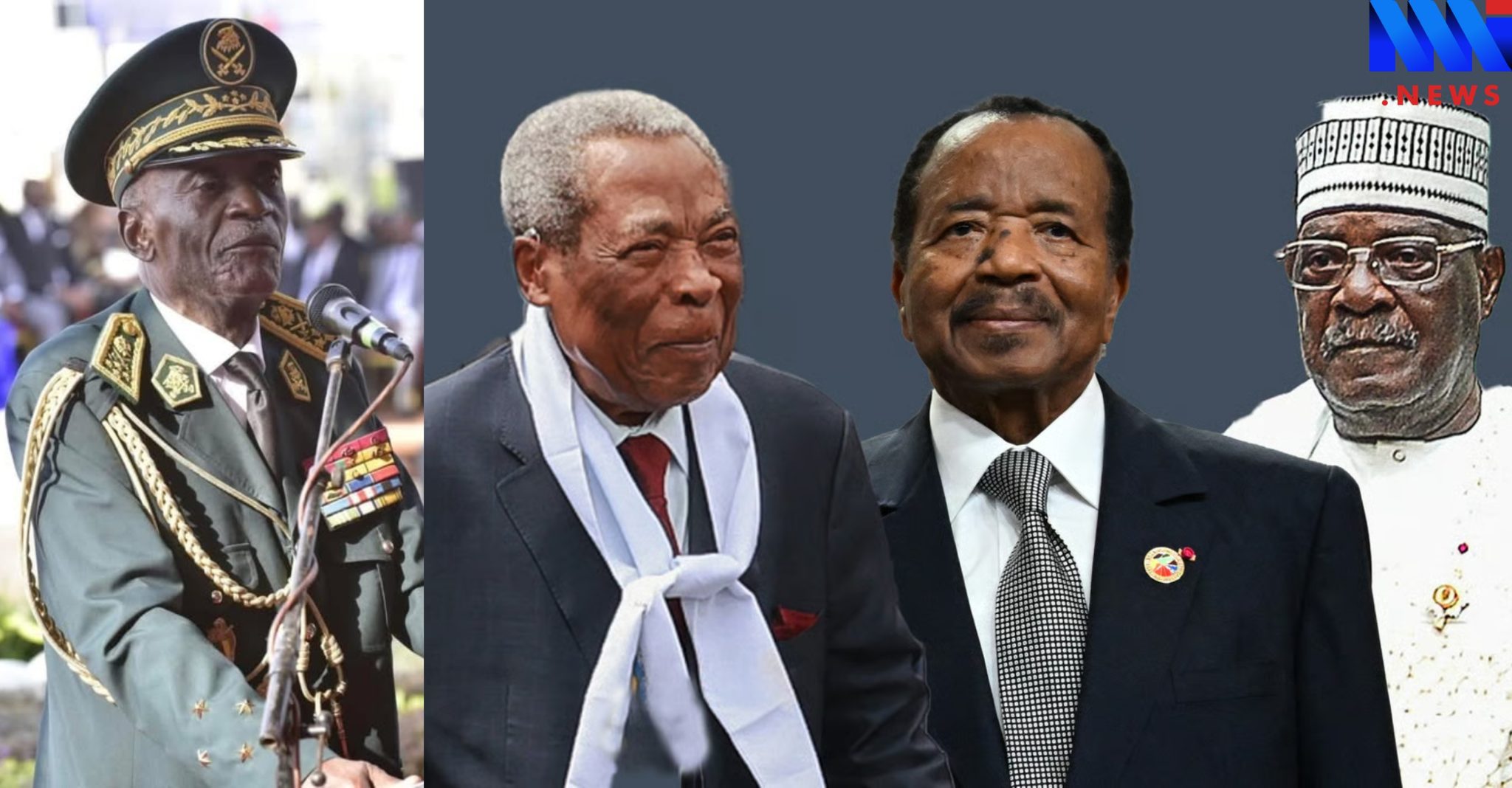
Cameroon is ruled by the past. For over four decades, power has remained in the hands of a political class so old and out of touch it no longer governs but merely presides—ritualistically, stubbornly, and without legitimacy. President Paul Biya, now 92, has held power for 43 years. His continued rule—despite increasing physical and cognitive decline—has paralysed the nation. Yet, he is once again presented as the sole candidate to govern a country whose median age is under 20.
A Nation Ruled by the Past
This political absurdity has inflicted lasting damage. Biya’s presence at the helm has triggered public discontent, institutional decay, and the erosion of legitimacy for both the presidency and the ruling party.
In democratic terms, legitimacy comes from the people’s consent. That consent no longer exists in Cameroon.
Cameroon is now occupied, not governed. Held hostage by a geriatric cult, the country is trapped in a political limbo where longevity is confused with legitimacy.
Our leaders are visible yet absent. Institutions are hollow. The constitution is routinely violated. The nation’s future is therefore held in suspension.
Cameroon cannot endure another seven years of this fossilised and suffocating status quo.
The 2008 Turning Point
To understand how we arrived at this moment, revisit 2008. That year, after 26 years in power, Biya abolished presidential term limits—an effective constitutional coup. It killed off any hope of democratic succession and plunged Cameroon into political stasis.
This triggered the deepening of hyper-presidentialism, turning every arm of the state into an appendage of the presidency. Cameroon became a private estate.
The Aging Power Circle: Who Still Rules Cameroon?
At the centre of this geriatric oligarchy stands Paul Biya, 93. He has outlasted:
- 12 U.S. Presidents
- 5 French Presidents
- 4 Popes
Cameroon’s cabinet reads like a roll call from a retirement home:
- Marcel Niat Njifenji (91) – Senate President, constitutional successor. Barely ambulatory, often asleep in public events.
- Martin Mbarga Nguélé (92) – Delegate General for National Security. Would need protection himself in a crisis.
- Laurent Esso (82) – Minister of Justice. Presides over a judiciary that is not blind, but senile.
- Cavayé Yeguié Djibril (85) – National Assembly Speaker for 33 years. Offers little more than synchronised applause.
- Lejeune Mbella Mbella (75) – Minister of Foreign Affairs. Cameroon’s global voice is now a whisper.
- Luc-Magloire Mbarga Atangana (71) – Minister of Trade. The economy operates like a poorly managed kiosk.
- Jacques Fame Ndongo (75) – Minister of Higher Education. Campuses are politicised and corrupt.
- Pierre Hele (80) – Minister of Environment. Silent as environmental issues overwhelm urban centres.
- Philippe Mbarga Mboa (77) – Minister for Special Duties. Role unclear; influence visible.
- René Claude Meka (86) – Chief of Staff of the Armed Forces. Oversees a military steeped in repression and unaccountability.
An Ancient Regime Without a Future
This pantheon of the decrepit exists solely to extend Biya’s reign and preserve their own privilege. They represent not leadership, but state-sponsored stagnation.
The nation is further insulted by the suggestion that these relics are the only viable leaders. That youth equals instability, while age equals peace. Perish the thought.
These men must be ushered into retirement, gracefully but firmly. And Biya himself must be freed from the parasitic elite who surround him.
Cameroonians should not be rallying to re-elect Paul Biya in 2025—but to Free Paul Biya from the system that exploits his legacy.
Until then, Cameroon remains ruled by a cabinet embalmed in privilege—men from an antique museum presiding over a vibrant, captive nation.
This is not stability. This is intergenerational treason.
And history will not be kind.
About the Author: Tanyi Charles Mambo is a London-based entrepreneur and community leader. He has a strong background in Cameroonian politics. He is also a regular commentator on politics, UK health and social care, business and culture.

Disclaimer
The views expressed in this article are those of the author and do not necessarily reflect the official position of MMI. This opinion piece aims to generate public discourse and promote critical reflection on governance and democratic accountability in Cameroon. MMI does not endorse any political party or candidate and strives to uphold journalistic integrity, freedom of expression, and responsible dialogue.

