


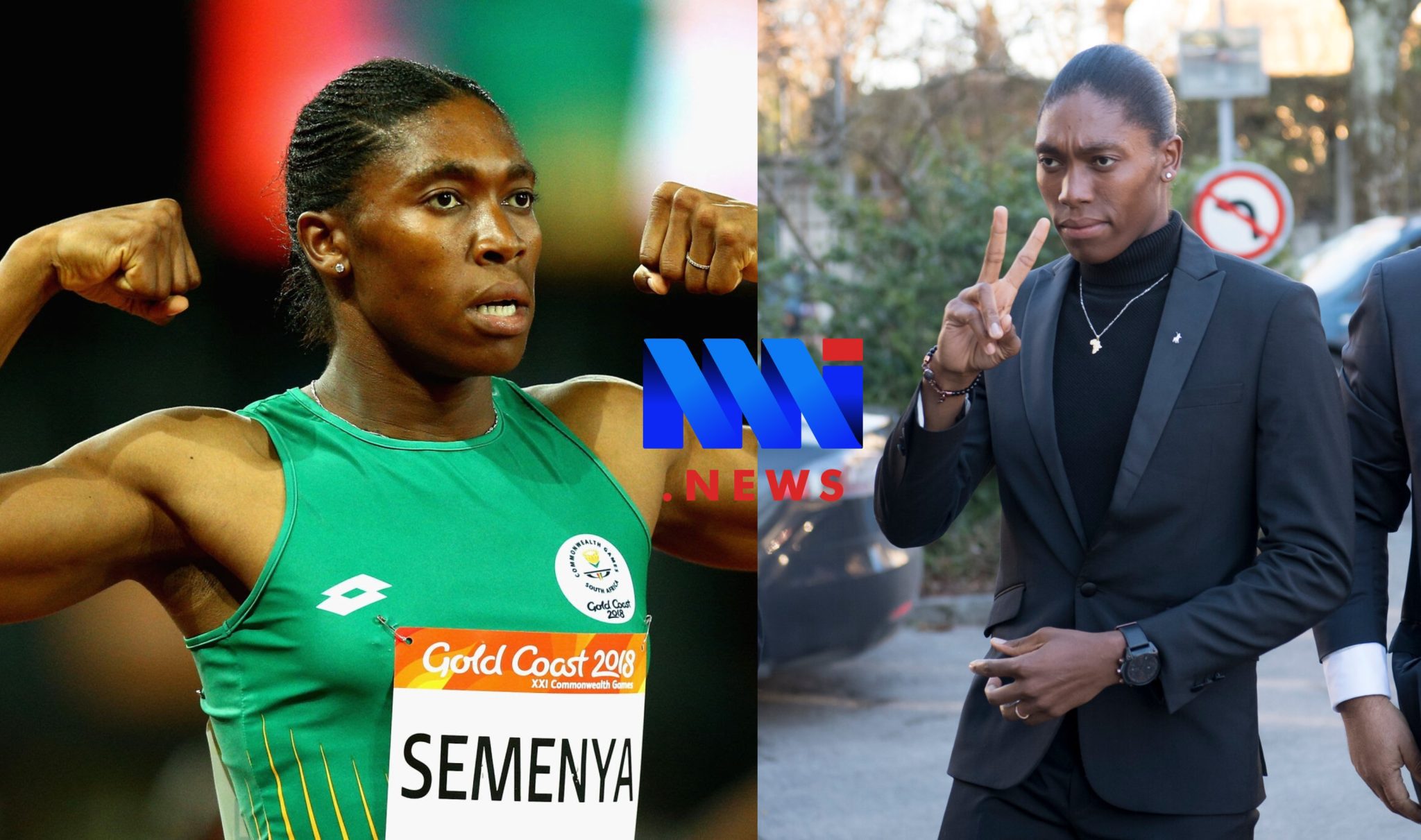
Strasbourg – July 10, 2025 – The European Court of Human Rights (ECHR) has ruled that South African middle-distance runner Caster Semenya’s right to a fair trial was violated by the Swiss Federal Supreme Court when it rejected her 2020 appeal against World Athletics regulations. These rules require athletes with differences of sexual development (DSD) to medically reduce their testosterone levels to compete in the female category.
Semenya, a two-time Olympic champion over 800m, brought the case to the ECHR, arguing that Switzerland failed to protect her human rights. In a final and binding decision, the Grand Chamber agreed.
“This is a reminder to the leaders [that] athletes need to be protected,” Semenya said after the ruling. “Before we can regulate we have to respect athletes and put their rights first.”
Background to the Case
The ECHR decision stems from Semenya’s legal challenge to World Athletics’ 2019 regulations, which barred her and other athletes with certain DSD conditions from competing in events ranging from 400m to one mile unless they reduced their testosterone levels.
Semenya initially contested the regulations at the Court of Arbitration for Sport (CAS), but lost. She later appealed to Switzerland’s Federal Supreme Court, which also ruled against her in 2020. Her case before the ECHR focused on that Swiss ruling and not directly on World Athletics or the regulations themselves.
The ECHR’s Grand Chamber found that Switzerland had failed to meet the “requirement of particular rigour” under Article 6 of the European Convention on Human Rights, which guarantees the right to a fair hearing.
“As of today, the governance of international sport needs to sit up and take notice of an athlete’s fundamental rights,” said Semenya’s lawyer, Schona Jolly KC. “It’s not possible to put this aside and say ‘the substantive rights of the athlete don’t matter.’ They firmly do.”
Scope and Impact of the Ruling
While the ECHR found in Semenya’s favour under Article 6, it dismissed her complaints under Articles 8 (right to private life), 13 (effective remedy), and 14 (prohibition of discrimination), stating these did not fall within Switzerland’s jurisdiction.
The ruling does not change current World Athletics regulations, which expanded in 2023 to include all female track and field events. It also does not allow Caster Semenya to immediately return to competition. The legal implications now return to the Swiss Federal Supreme Court, which may reconsider the case.
World Athletics declined to comment on the ruling.
Broader Implications for Sport
The ECHR’s decision may renew scrutiny on sex eligibility regulations across sports. World Athletics has defended its position, asserting that athletes with DSD conditions like Semenya’s—specifically 46 XY 5-alpha-reductase deficiency (5-ARD)—retain a significant physiological advantage.
Scientific assessments cited by World Athletics claim that individuals with this condition have testosterone levels comparable to typical male athletes, resulting in enhanced muscle mass and strength. The organisation argues the regulations are necessary to protect fairness in the female category.
In a forthcoming move, World Athletics plans to introduce DNA-based cheek swab testing for the SRY gene, which determines male development, to verify eligibility in women’s events. The test could exclude athletes with DSD from competing in the female category, regardless of hormone suppression.
World Boxing is also planning mandatory chromosomal testing for all athletes after the 2024 Paris Olympics, amid growing debate about gender eligibility in elite competition.
Semenya’s Legacy and Continued Fight
Now 34, Semenya is no longer competing at the elite level and has transitioned to coaching. Her dominance on the track between 2009 and 2019 included back-to-back Olympic titles and three world championship gold medals.
Her career faced challenges due to questions about her sex characteristics, which arose following her breakout performance at the 2009 World Championships. Later revelations showed that she was born with DSD and internal testes, possessing XY chromosomes, despite being assigned female at birth and identifying as a woman.
In a 2023 interview with BBC Sport, Caster Semenya said: “I am a woman and have a vagina… I was born without a uterus.”
She stated that her focus shifted from winning races to challenging institutions: “I’m now interested in winning battles against the authorities.”
The ECHR ruling does not immediately alter the regulatory landscape, but it strengthens Semenya’s long-standing argument for better protection of athletes’ rights in international sport governance.

