



By Tata Mbunwe
Prominent human rights advocate Agbor Balla has warned that the prolonged failure of the Cameroon’s Higher Judicial Council to convene for the past five years has enabled a severe crisis in the justice system, slowing judicial processes and prolonging pre-trial detentions.
In a statement issued Monday, January 19, Agbor Balla said approximately 150 magistrates who have reached retirement age remain in active service due to the Council’s inability to meet and process their retirements or appoint new officials.
This adds to what he described as an “unprecedented vacuum” in the judiciary where nearly 300 magistrates who graduated from the National School of Administration and Magistracy (ENAM) over the past six years remain unintegrated, legally barred from handling cases or even examining court files.
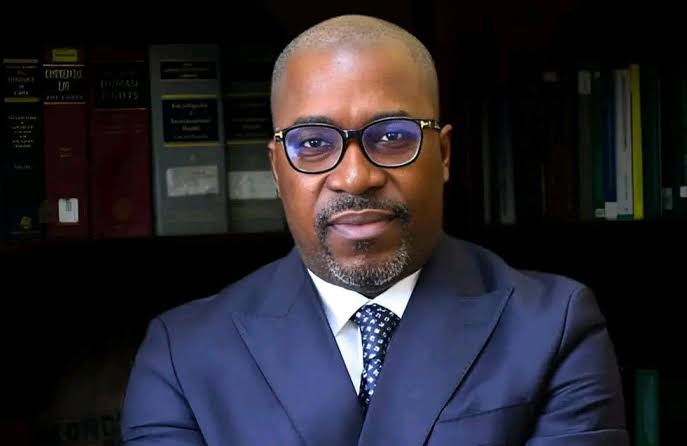
“The embarrassment created by these vacancies has led to appointments whose legal basis is highly questionable,” Agbor Balla stated. “Judges have been appointed to sit in certain administrative courts without the opinion of the Higher Judicial Council, despite the Council’s exclusive constitutional prerogative to appoint and transfer magistrates.”
What is the Higher Judicial Council?
The Higher Judicial Council is a body that oversees magistrates’ careers, including integration, discipline, promotions, and retirements. Chaired by the President of the Republic, it is legally supposed to be held every year, though its last session took place on August 10, 2020.
The Council’s continued dormancy since then has frozen its essential functions, creating what Agbor Balla termed an “entrenched culture of gerontocracy” within the judiciary.
The impact on the country’s court system cannot be undermined.
Prolonged Pre-trial Detentions Due to Understaffing
According to Balla, a critical shortage of magistrates has left courts across the country overburdened, contributing to massive case backlogs and prolonged pretrial detention for thousands of detainees.
By law, pretrial detention should not exceed 18 months, but many Cameroonians spend years behind bars awaiting trial, partly because insufficient judicial staff delays case hearings indefinitely.
“Justice cannot function where there are insufficient judicial officers to hear cases,” Agbor Balla noted. “This delay equally denies citizens timely access to judicial remedies.”
The statement also pointed to institutional decay. Disciplinary procedures against magistrates are stalled, promotions are frozen, and allegations of misconduct go unaddressed.
In June 2024, the Minister of Justice, Laurent Esso, revealed while appearing before the Foreign Affairs Committee of the Senate that his institution had received complaints against 897 Magistrates in the country.
Complainants had alleged cases of corruption and misconduct by these Magistrates, a matter that required an investigation and a subsequent hearing before the Higher Judicial Council.
But the failure of the Council to meet over the years has stalled the investigations and abated what could be a scandal in the country’s judiciary.
“Honest magistrates are demoralised, while corruption and impunity thrive in the absence of oversight,” Agbor Balla said.
He framed the Council’s inactivity as a democratic emergency, warning that the silence surrounding its dysfunction reflects “a dangerous erosion of institutional governance” and renders the principle of separation of powers meaningless.
He called for the urgent convening of the Higher Judicial Council to regularize the integration of waiting magistrates, address court staffing shortages, restore accountability, and safeguard judicial independence.

