

By Shuimo Trust Dohyee
Standing on the banks of the Ntem River, a narrow waterway that separates Cameroon from Equatorial Guinea, it is difficult to tell where one country ends and the other begins. Sea turtles nest on beaches on either side of the border. Dolphins, whales and sharks move freely through waters divided only by lines on a map.
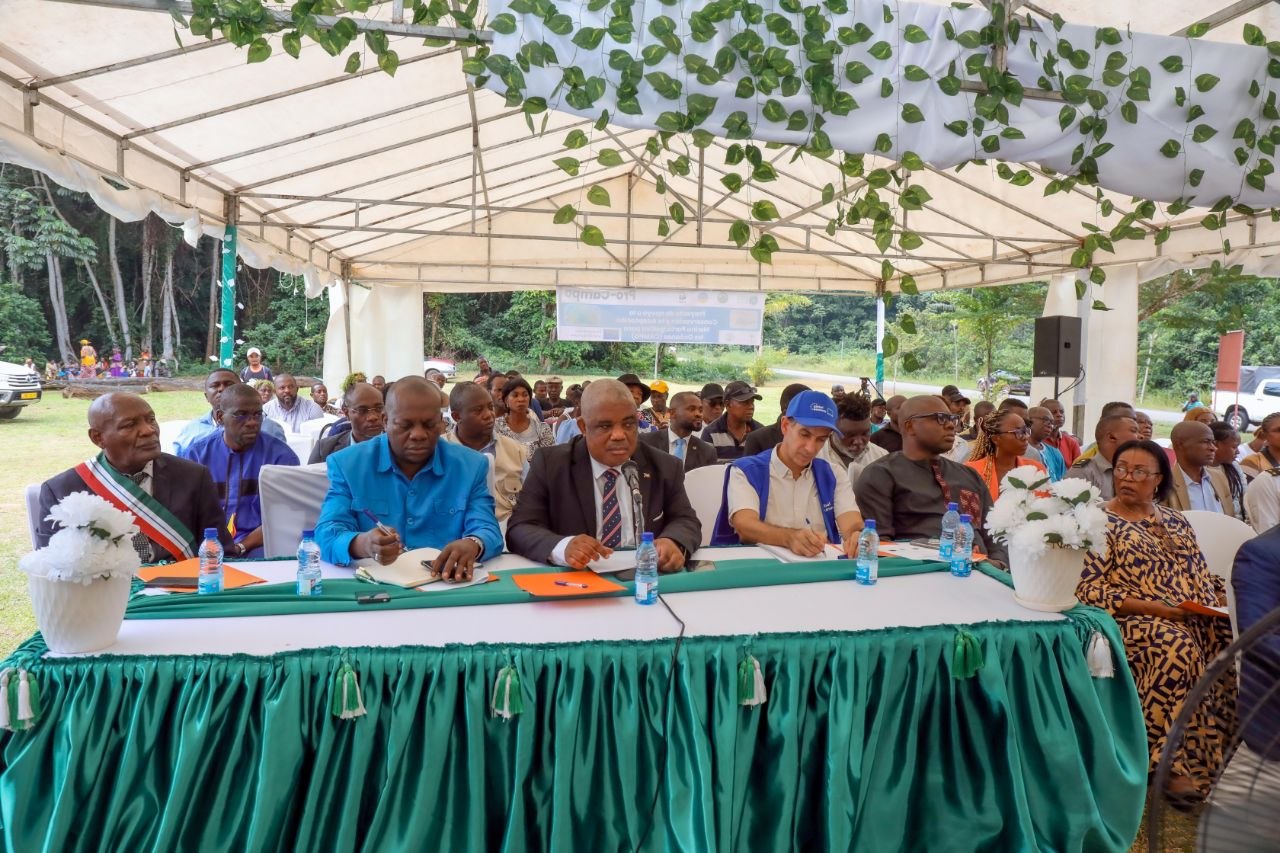
“The waves do not ask for a visa and marine species do not recognise borders,” remarked Dr. Aristide Takoukam Kamla, President and Founder of the African Marine Conservation Organisation (AMCO), during the launch of a new transboundary conservation initiative in Río Campo.
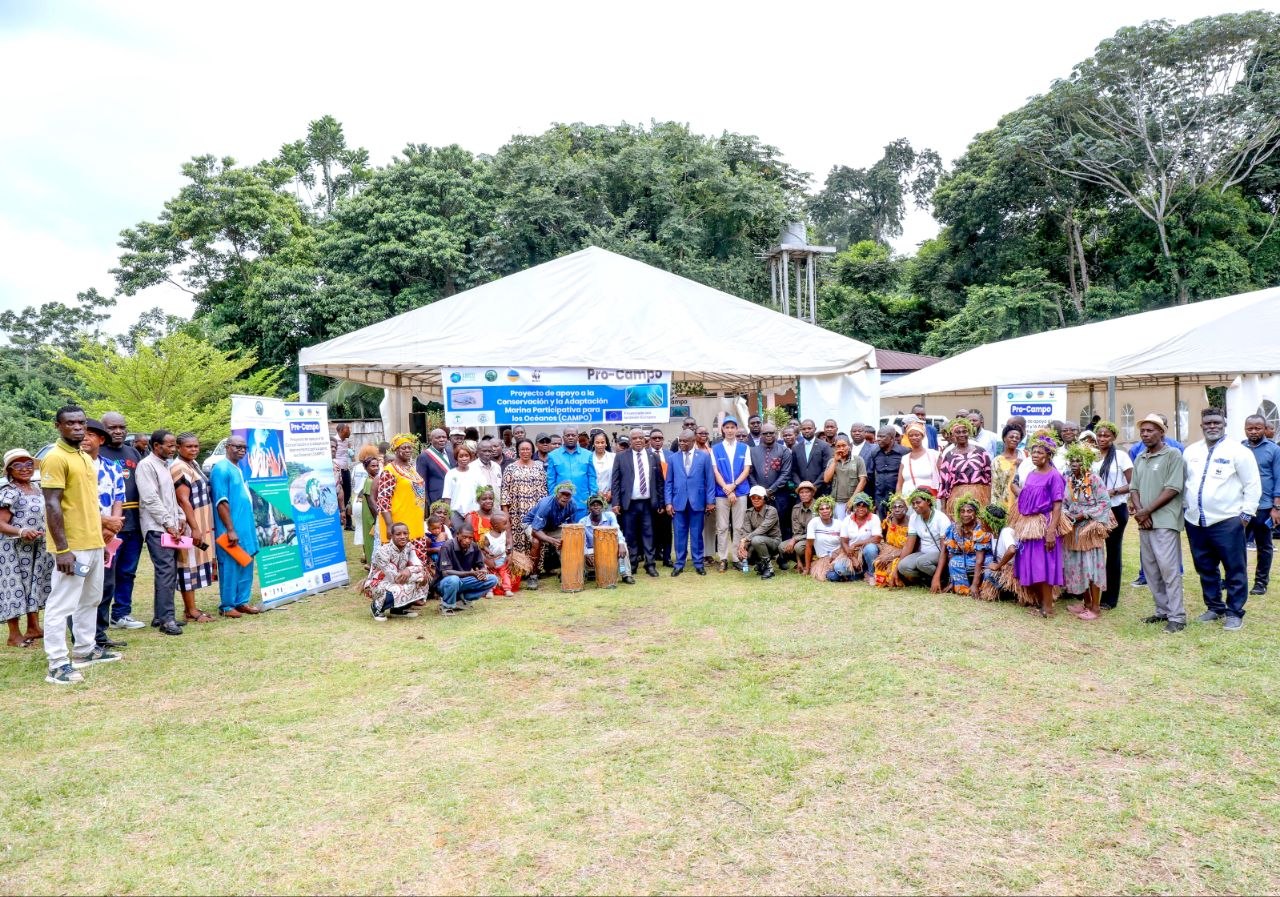
His words captured the essence of the Support Project for Participatory Marine Conservation and Adaptation for Oceans (Pro-CAMPO), a four-year project funded by the European Union and implemented by AMCO, the World Wide Fund for Nature (WWF), TUBE AWU, and the Asociación Nacional para la Defensa y Gestión del Medio Ambiente (ANDEGE).
Launching Pro-CAMPO Across Two Countries
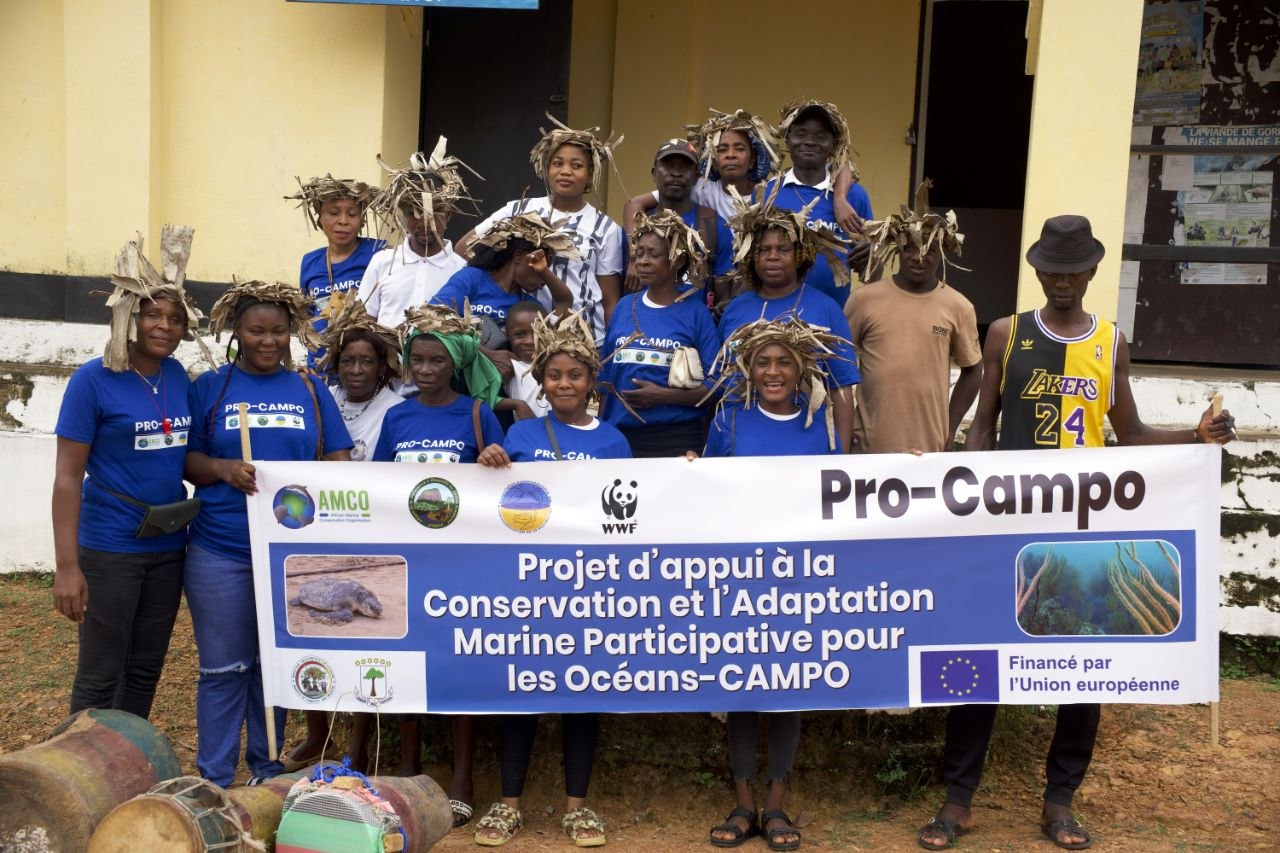
The project was officially launched on 8 June 2026 in Campo, Cameroon, before crossing the Ntem River for a second launch in Río Campo, Equatorial Guinea, on 10 June.
Its goal is to establish the foundations for the long-term conservation of the natural capital and biodiversity of the Campo marine and coastal landscape by strengthening the governance and management of the Manyange na Elombo-Campo Marine National Park in Cameroon and the Río Campo National Park in Equatorial Guinea.
Over the next four years, the project will also deepen transboundary cooperation, build the resilience of local and Indigenous communities, and strengthen the capacities of the institutions responsible for conserving these protected areas.
For Dr. Takoukam, however, Pro-CAMPO is about far more than managing protected areas. It is about changing the way neighbouring countries think about conservation.
“Pro-CAMPO exists not to draw new borders, but to erase the ones that separate us from the ocean we share.”
It is a vision built on the understanding that while people may draw borders, ecosystems never have.
One of Central Africa’s Richest Marine Ecosystems
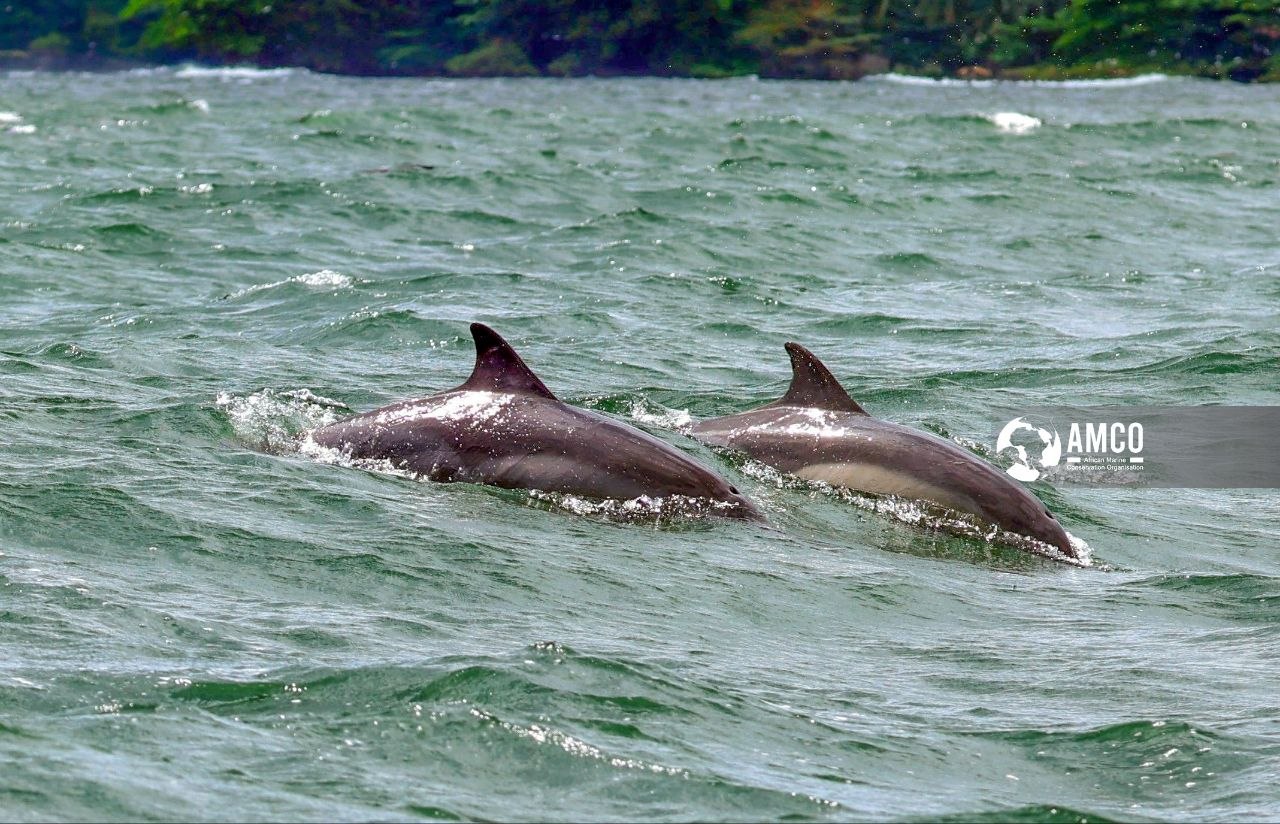
The landscape the project seeks to protect is among Central Africa’s richest marine ecosystems. It supports five of the world’s eight sea turtle species, African manatees, Atlantic humpback dolphins, humpback whales, and nearly forty species of sharks and rays.
Its mangrove forests, estuaries, nesting beaches and seagrass beds provide critical habitats for wildlife while sustaining thousands of people who depend on fishing and other coastal resources for their livelihoods.
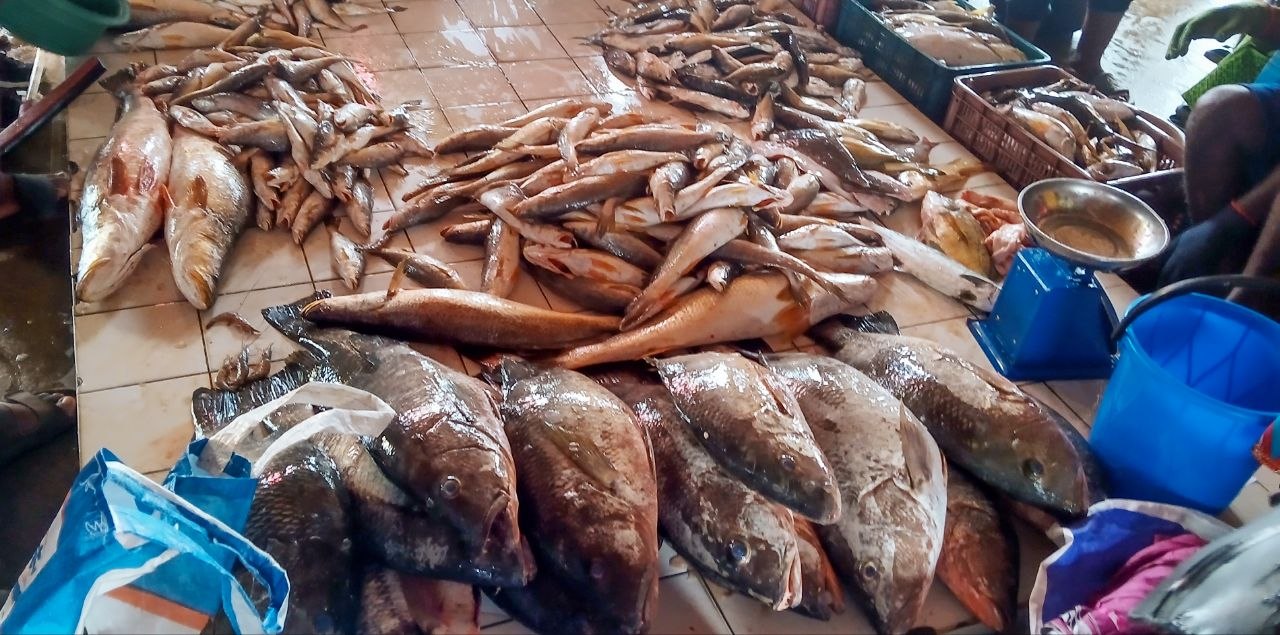
Yet this shared ecosystem faces growing pressure. Illegal, unreported and unregulated fishing, mangrove degradation, pollution, unsustainable coastal development and climate change are threatening both biodiversity and the communities that rely on it.
Linking Conservation With Development
For the European Union, these challenges justify investing in a project that links conservation with development.
“Protecting the oceans is a priority for the European Union because the ocean is at the heart of climate resilience, food security, and the livelihoods of millions of people,” said Raymond Lataste, representative of the European Union.
Through its Global Gateway Strategy, he explained, the European Union is supporting sustainable economic development alongside environmental protection, enabling coastal communities to benefit from healthier ecosystems while developing alternative sources of income.
Coastal Communities Feel the Pressure
“I have been selling fish for nearly 50 years,” says 67-year-old Ursula Molende Matomba, who was at the launch event in Río Campo, Equatorial Guinea. “Today, it’s becoming harder and harder to find fish. Most of the time, the fishermen return with their canoes empty.”
Epengo Mbipite, who leads an artisanal fishers’ association in Cameroon, has grown accustomed to the sea’s declining fortunes. But dwindling fish catches are not his only concern.
“Sometimes industrial trawlers destroy our nets, even though we do not fish in their designated fishing grounds,” he said.
For Ndounteng Ndjamo Rodric Xavier, Coordinator of the partner organisation TUBE AWU, Pro-CAMPO offers hope for people like Ursula and Mbipite. Through its long-standing work around the Manyange na Elombo-Campo Marine Park, TUBE AWU has been helping communities improve their livelihoods while advancing marine conservation.
Conservation at the Service of Humanity
The project’s philosophy was echoed by officials from both countries.
Representing Cameroon’s Minister of Forestry and Wildlife during the launch in Campo, Dr. Saleh Adam emphasised that the initiative is ultimately about people.
“What we seek for both countries is, above all, to improve the living conditions of our populations. It is no longer about conservation for conservation, but conservation at the service of humanity.”
Across the border, Domingo Mbomio Ngomo, President of ANDEGE, delivered a similar message.
“We do not do conservation for the sake of conservation. We do conservation for human well-being.”
He noted that supporting income-generating activities would help reduce pressure on marine ecosystems while improving the quality of life of coastal communities—a central objective of Pro-CAMPO.
The Deputy Minister in charge of Forests and Environment of Equatorial Guinea, Diosdado Obiang Mbomio, who presided over the launch in Río Campo, echoed these sentiments, reaffirming his government’s commitment to the successful implementation of the Pro-CAMPO project.
Building on Regional Conservation Experience
The project also builds on decades of conservation experience across Central Africa. WWF, which has supported several transboundary protected area initiatives in the region, believes collaboration between neighbouring countries is no longer optional.
“Conservation cannot be effectively carried out in isolation because nature does not recognise borders,” said Alain Bernard Ononino, Country Director of WWF Cameroon.
He pointed to wildlife as the clearest reminder that ecosystems function beyond political boundaries.
“Animal populations, whether terrestrial or aquatic, do not know borders. They do not have passports, and they do not need visas.”
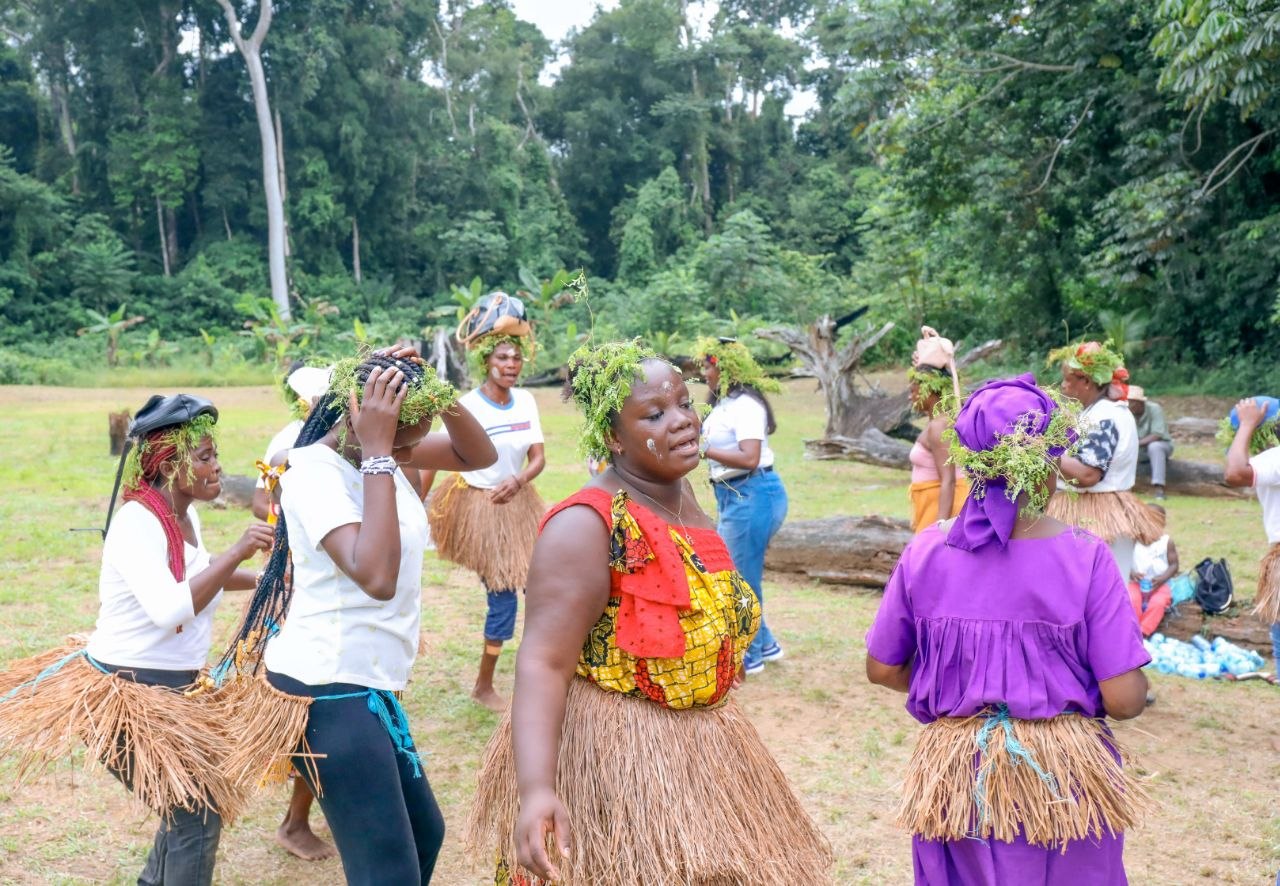
But protecting nature, he added, also requires protecting the rights and knowledge of the people who have lived alongside these ecosystems for generations. Indigenous Peoples and local communities possess invaluable traditional knowledge that will help guide conservation efforts throughout the project.
Strengthening Marine Conservation in Equatorial Guinea
For Equatorial Guinea, Pro-CAMPO also represents an opportunity to strengthen national capacity in marine conservation.
“This is the first time we are managing a marine protected area, and we want to apply the lessons from Pro-CAMPO to all the marine protected areas in Equatorial Guinea,” said Fidel Esono Mba Eyono, Director General of the National Institute for Forest Development and Protected Areas Management (INDEFOR-AP).
He stressed that conservation should create opportunities rather than restrictions.
“The creation of a protected area does not mean preventing people from improving their lives.”
A Test of Cooperation
The official communiqués issued after the launch events in both countries reflected these priorities, calling for stronger community awareness, greater communication around the marine park and the project, and a clearer explanation of how neighbouring communities will benefit from Pro-CAMPO’s interventions.
Over the next four years, the success of Pro-CAMPO will depend not only on healthier mangroves, recovering fish stocks or better-managed marine protected areas. It will also depend on something less tangible but equally important: whether two countries, their institutions and their people can work together to protect an ocean that has never recognised the border between them.

