


By Njoh Linda
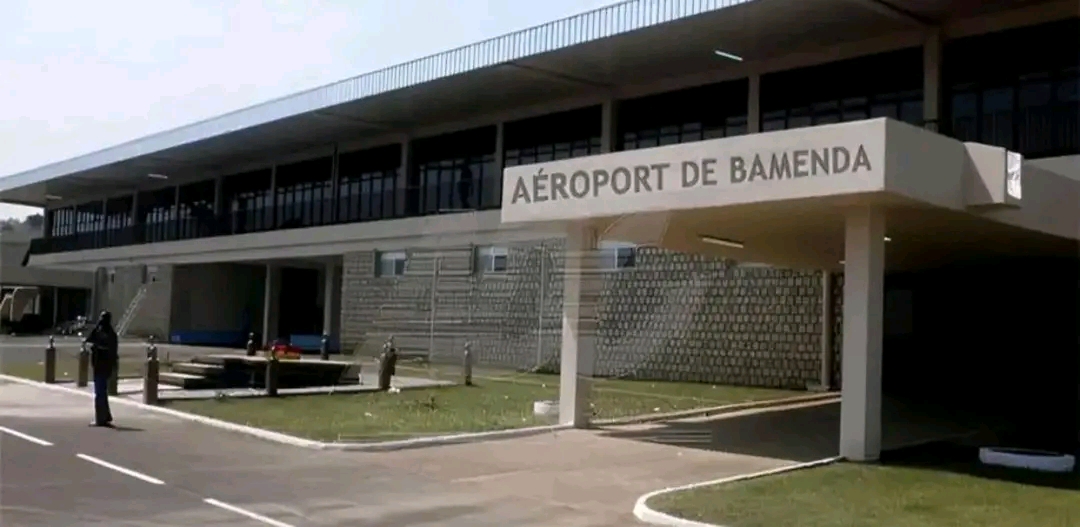
Four months after Pope Leo XIV’s visit to Cameroon’s troubled North West Region, the Bamenda airport remains without commercial flights despite 217 million francs CFA spent on rehabilitation and related works by the Bamenda City Council, a report published by Equinoxe television states.
The airport was upgraded ahead of the Pope’s visit, renewing hopes that the work would also facilitate the return of regular commercial aviation to Bamenda, the regional capital.
Since the Pope’s departure on April 16, no commercial flight has landed at or taken off from the airport.
The council’s expenditure figures were presented during its mid-term evaluation session and reported by Equinoxe television.
The council said 105 million francs CFA was spent on cleaning, clearing and disinfecting the airport and nearby dumpsites.
A further 32 million francs CFA went towards covering airport gutters with wood, while 45 million francs was used to provide work tools to the city council.
Another 35 million francs was spent installing decorative lighting along the airport road and at the airport. The listed expenditure totals 217 million francs CFA, roughly $380,000.
The City Mayor, Paul Achobong, said the work was not undertaken simply to prepare for the Pope’s visit.
“Our efforts were not limited to just the Pope’s arrival but they were projected towards a continuity of the airport’s facilities and functionalities,” he said.
But the hoped for the return of commercial flights has not happened.
“Regrettably, it’s not the way we thought. Camair-Co promised that commercial flights will commence immediately,” the mayor added.
Insecurity Remains a Major Obstacle
Camair-Co, Cameroon’s national airline, has previously cited insecurity as a reason for the absence of regular flights to Bamenda.
The North West Region has been affected by an armed separatist conflict since 2016. Fighting, attacks and restrictions on movement have severely disrupted transport and economic activity, but an aircraft has never been attacked.
For residents and businesses, the absence of air links means continued reliance on road transport, despite the potential for direct flights to reduce travel times and improve access to the region.
“It’s heart breaking that after all the monies spent, the Pope can land in Bamenda but we the locals cannot land,” said Marshall, a business woman in Bamenda.
Some residents also view the continued lack of flights as evidence of what they describe as the government’s neglect of the North West, despite Bamenda’s political significance and the presence of a presidential residence associated with President Paul Biya.
Airport Investment, But No Flights
The airport works have also raised broader questions about the city council’s development priorities.
The Works and Transport Committee praised the council’s efforts but said less than 25% of its action plan had hardly been implemented.
For Bamenda residents, the question now is not simply whether the airport has been cleaned or illuminated, but when it will once again serve as a functioning gateway to the region.