


As Cameroon moves to import another 60,000 tonnes of cooking gas to shore up domestic supply, AMIG COAL led by a group of Cameroonian entrepreneurs is pursuing a very different answer to the same household problem: making cooking fuel at home, from materials available at home.
The contrast is difficult to miss.
On September 1, the government launched a tender for 60,000 tonnes of liquefied petroleum gas, or LPG, divided into two lots of 35,000 and 25,000 tonnes. The volume is equivalent to almost 40% of all the liquefied butane Cameroon imported in 2025 and, at last year’s average monthly import rate, represents nearly five months of imports.
SCTM Troubles Expose Weaknesses in the Gas Market
The tender comes as problems at the Société Camerounaise de Transformation Métallique, SCTM, have exposed how vulnerable the domestic gas market remains to disruptions along the supply chain.
SCTM, for years one of the country’s biggest cooking-gas distributors, has been struggling with debts owed to LPG suppliers. Water and Energy Minister Gaston Eloundou Essomba has instructed the Hydrocarbon Price Stabilisation Fund, CSPH, to mediate between the company and its creditors. In parts of the country, consumers holding SCTM cylinders have struggled to refill them and some have resorted to selling their bottles and switching brands.
Yet the SCTM problem is only one part of a much bigger question: why is a basic household necessity still so dependent on a costly chain involving foreign suppliers, importers, storage facilities, distributors, cylinders and state subsidies?
Rising Demand Keeps Imports and Subsidies High
Cameroon imported 150,420 tonnes of liquefied butane in 2025, up from 145,163 tonnes the previous year. Those imports cost about CFA56.16 billion. At the same time, the government spent CFA48.96 billion subsidising domestic gas consumption in 2025, even as demand continued to rise.
Between January and July this year alone, 132,902 tonnes of LPG were released for consumption, 6.2% more than during the same period in 2025.
Cameroon does produce some LPG locally. The Bipaga gas processing plant supplied 34,699 tonnes in 2023, and the National Hydrocarbons Corporation expects production of around 30,000 tonnes annually in 2026. But that remains far below the volume the country imports.
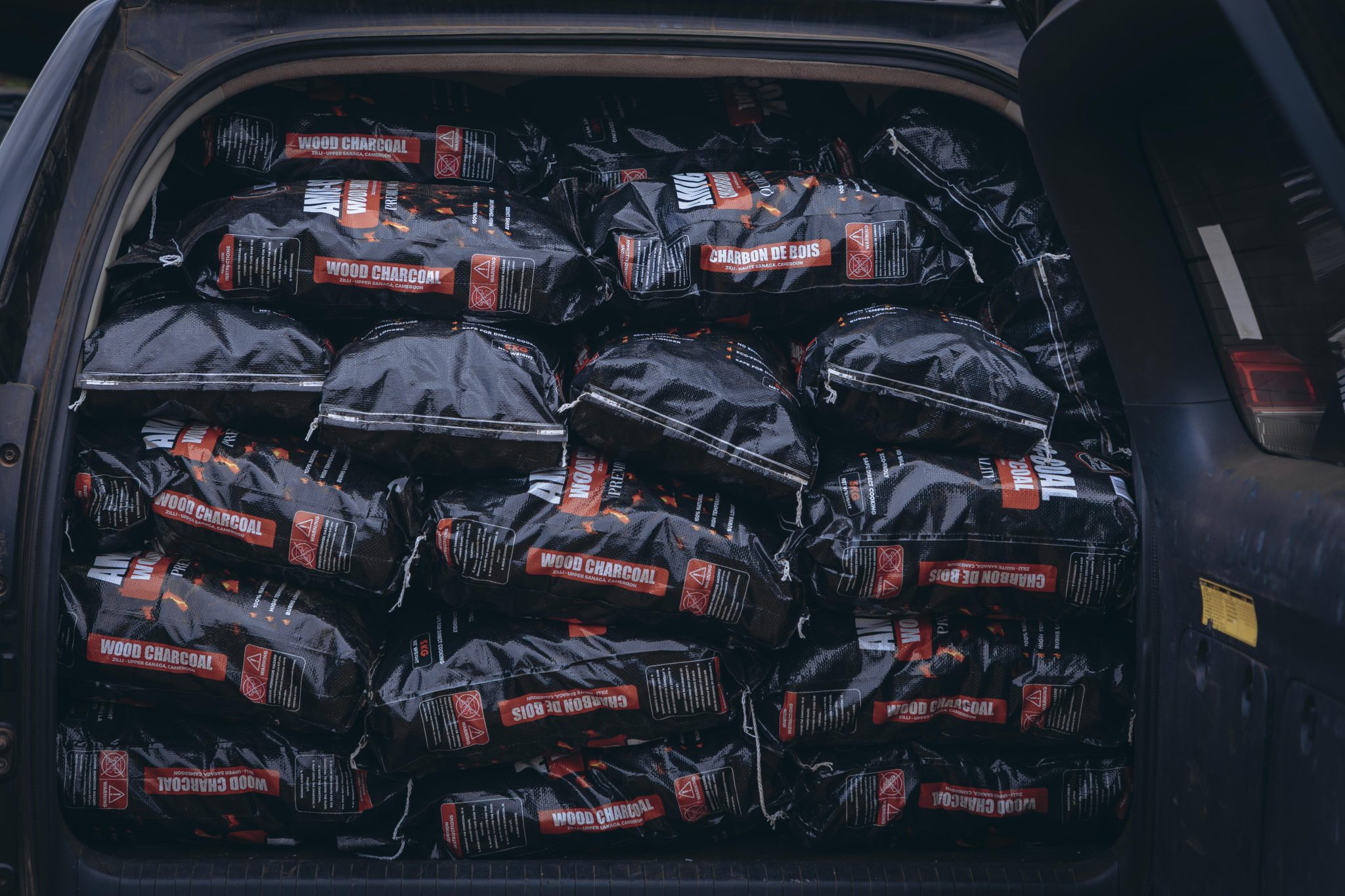
A Local Alternative Takes Shape in Zilli Nkoteng
While the state looks overseas to close that gap, another model is taking shape in Zilli Nkoteng, in the Centre Region’s Haute-Sanaga Division.
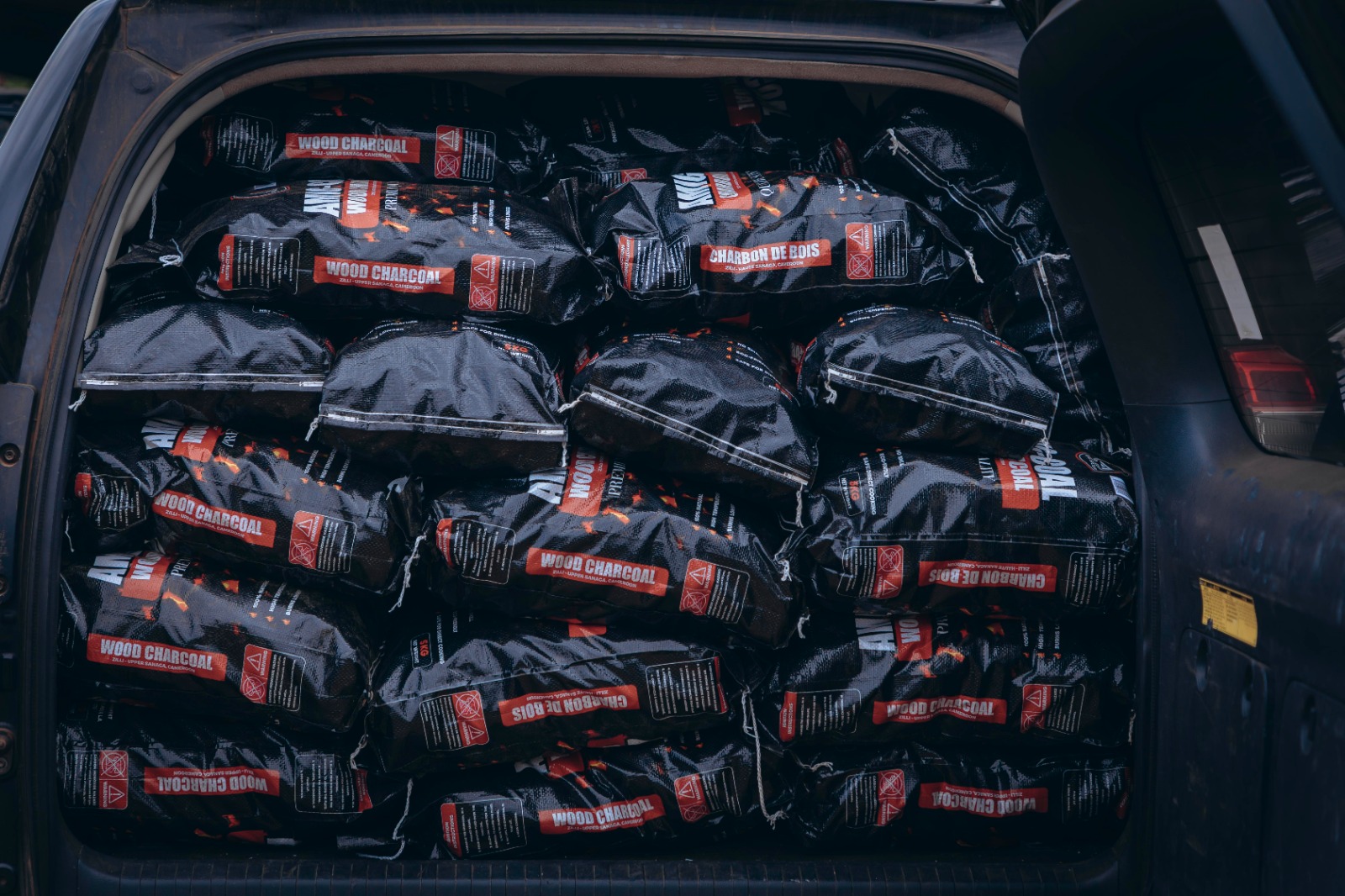
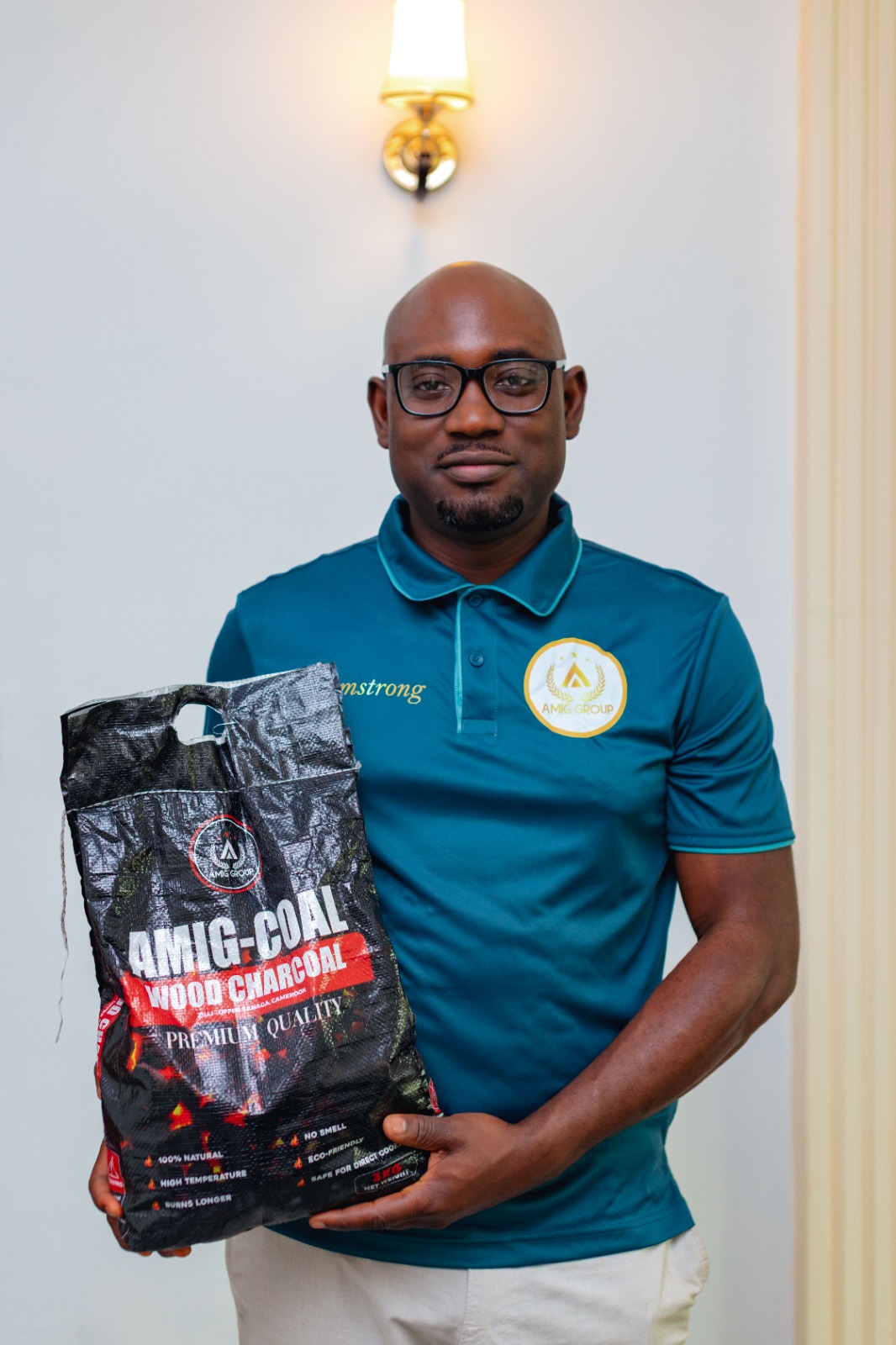
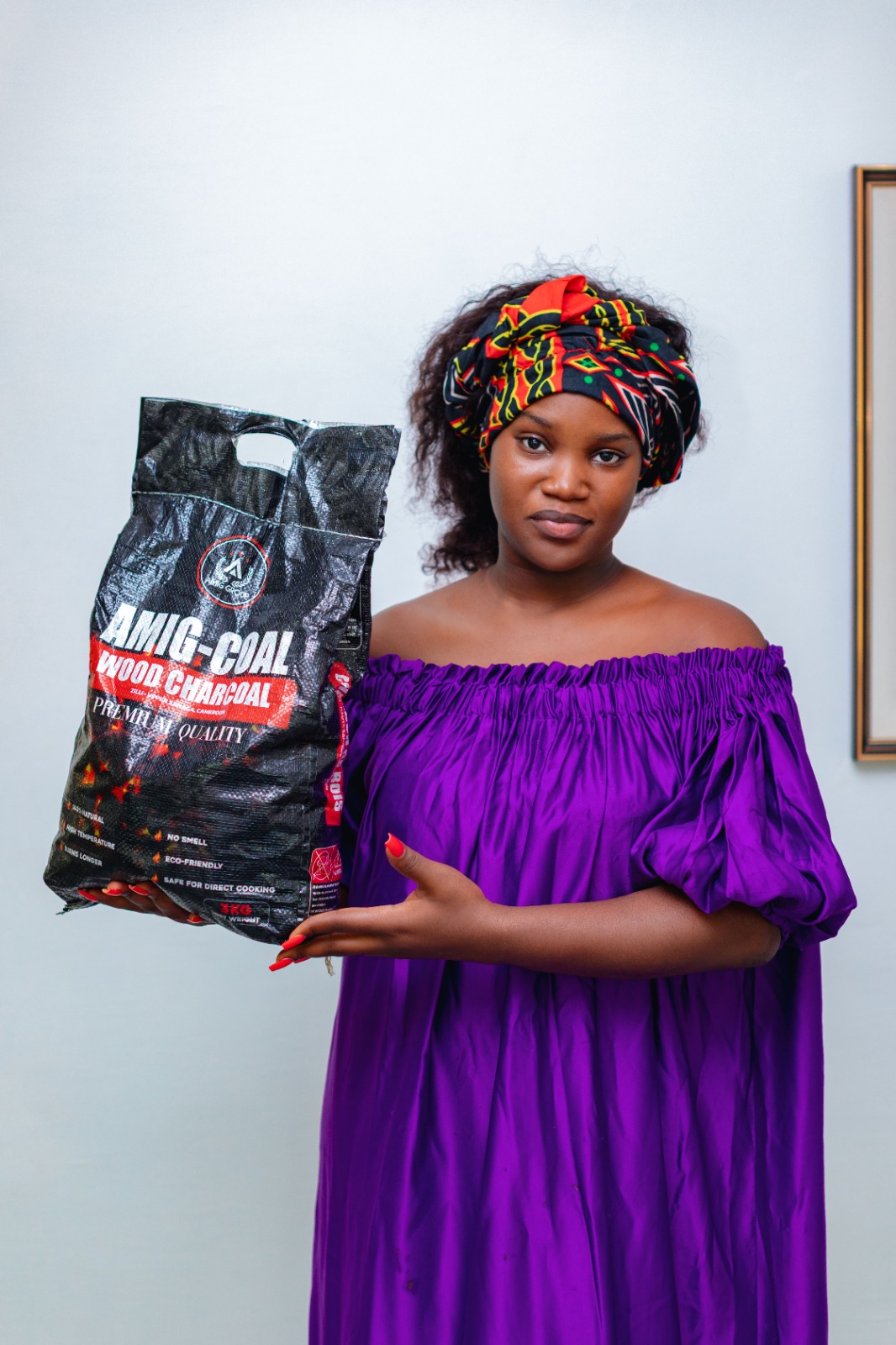
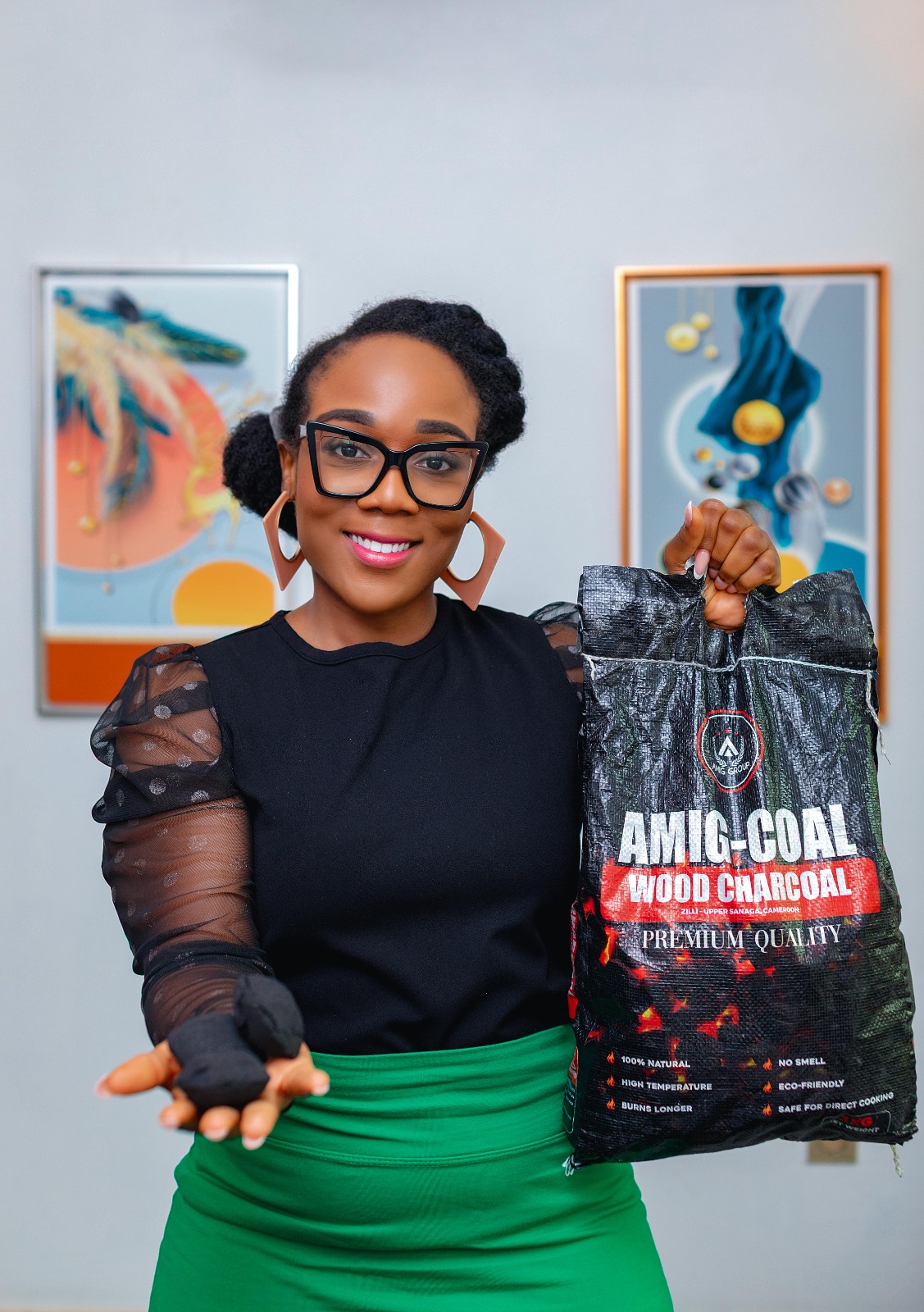
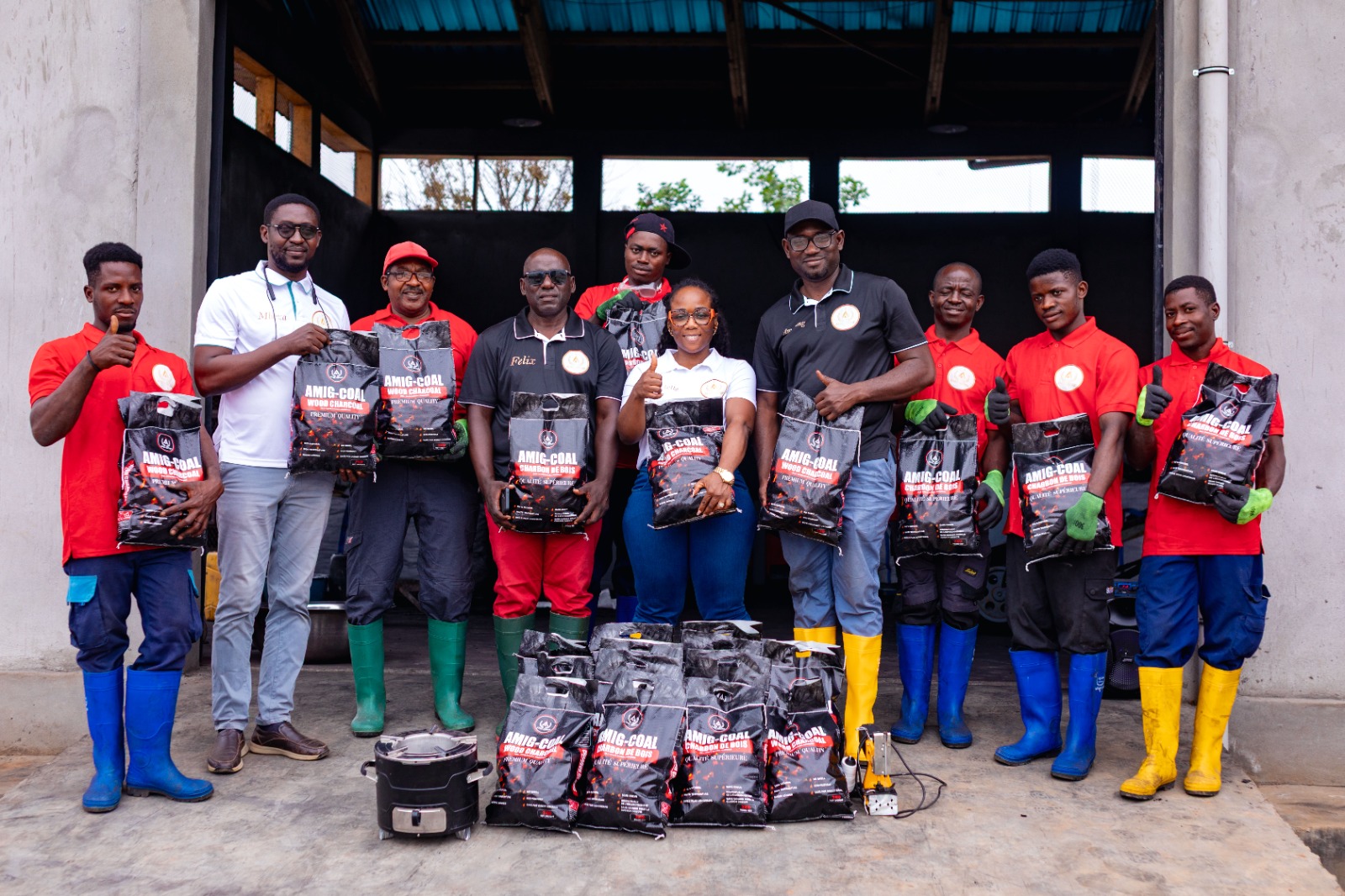
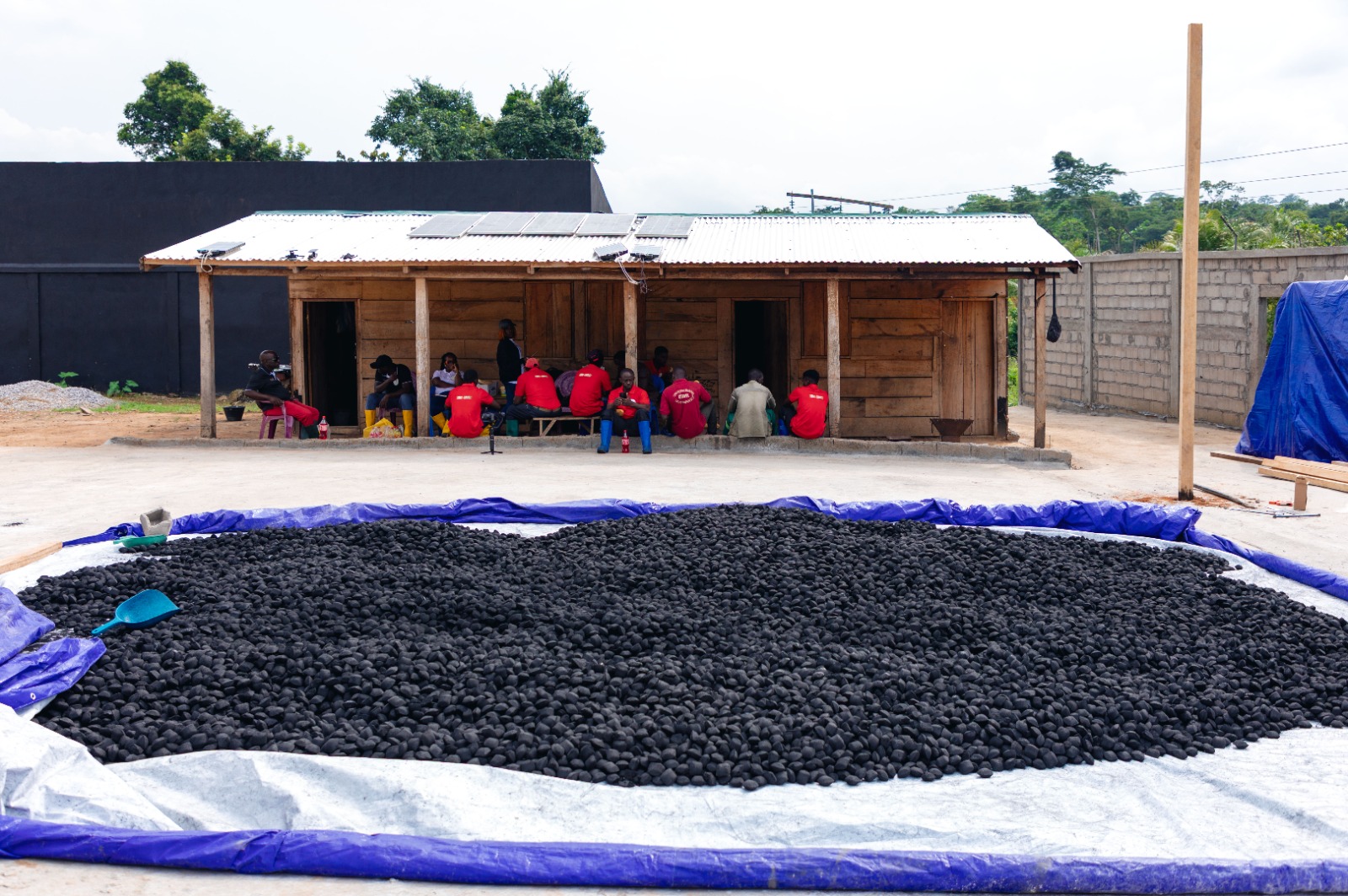
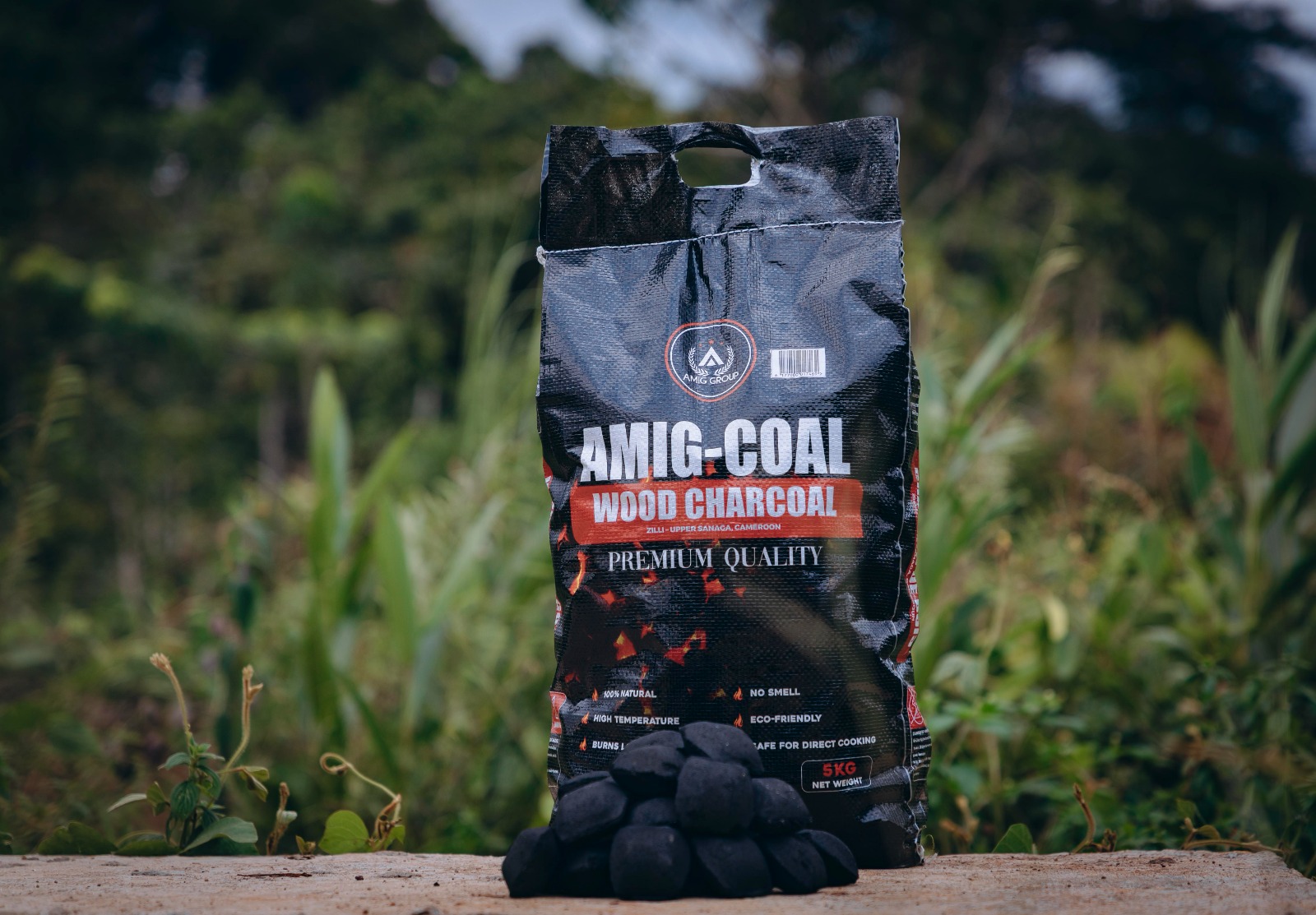
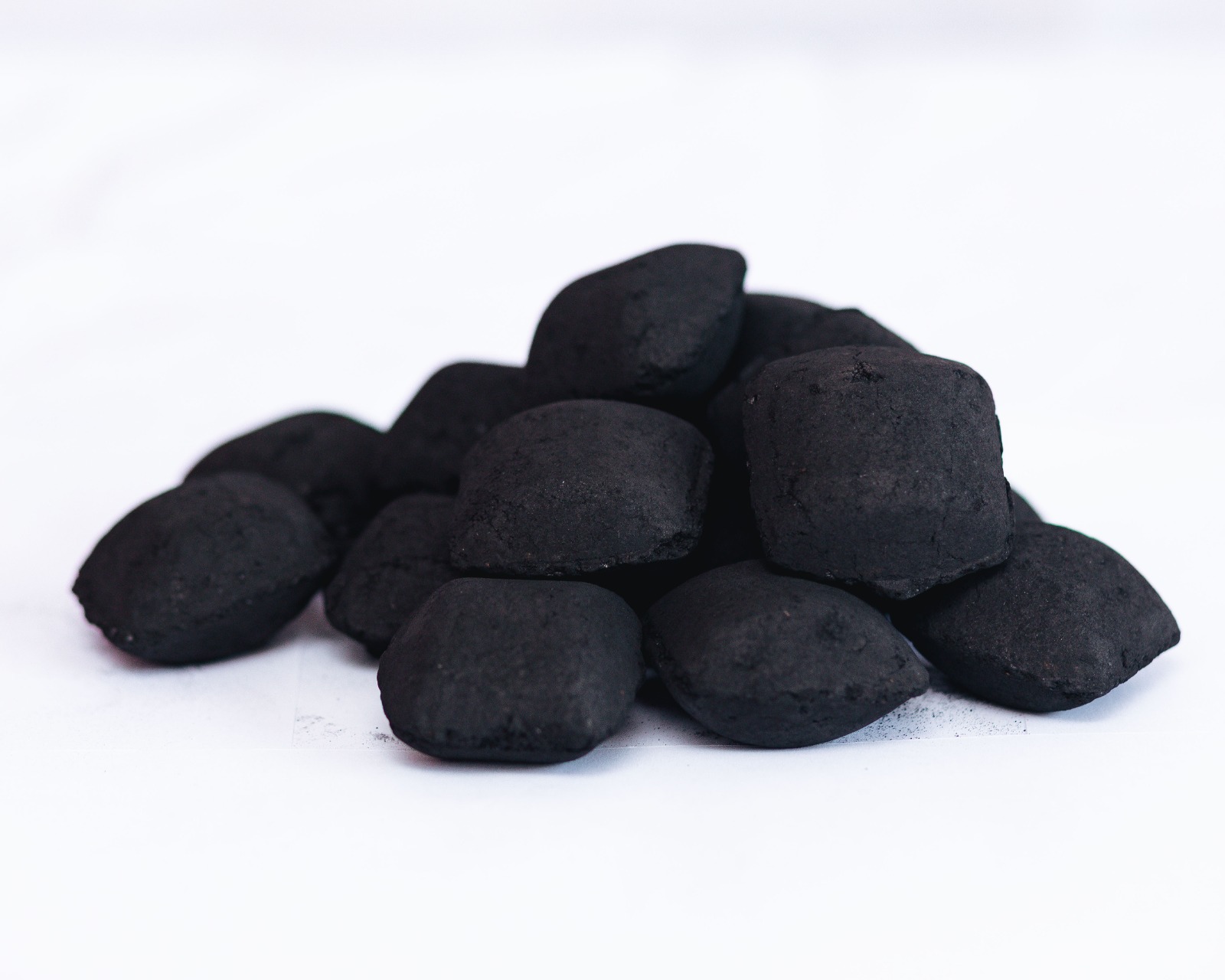
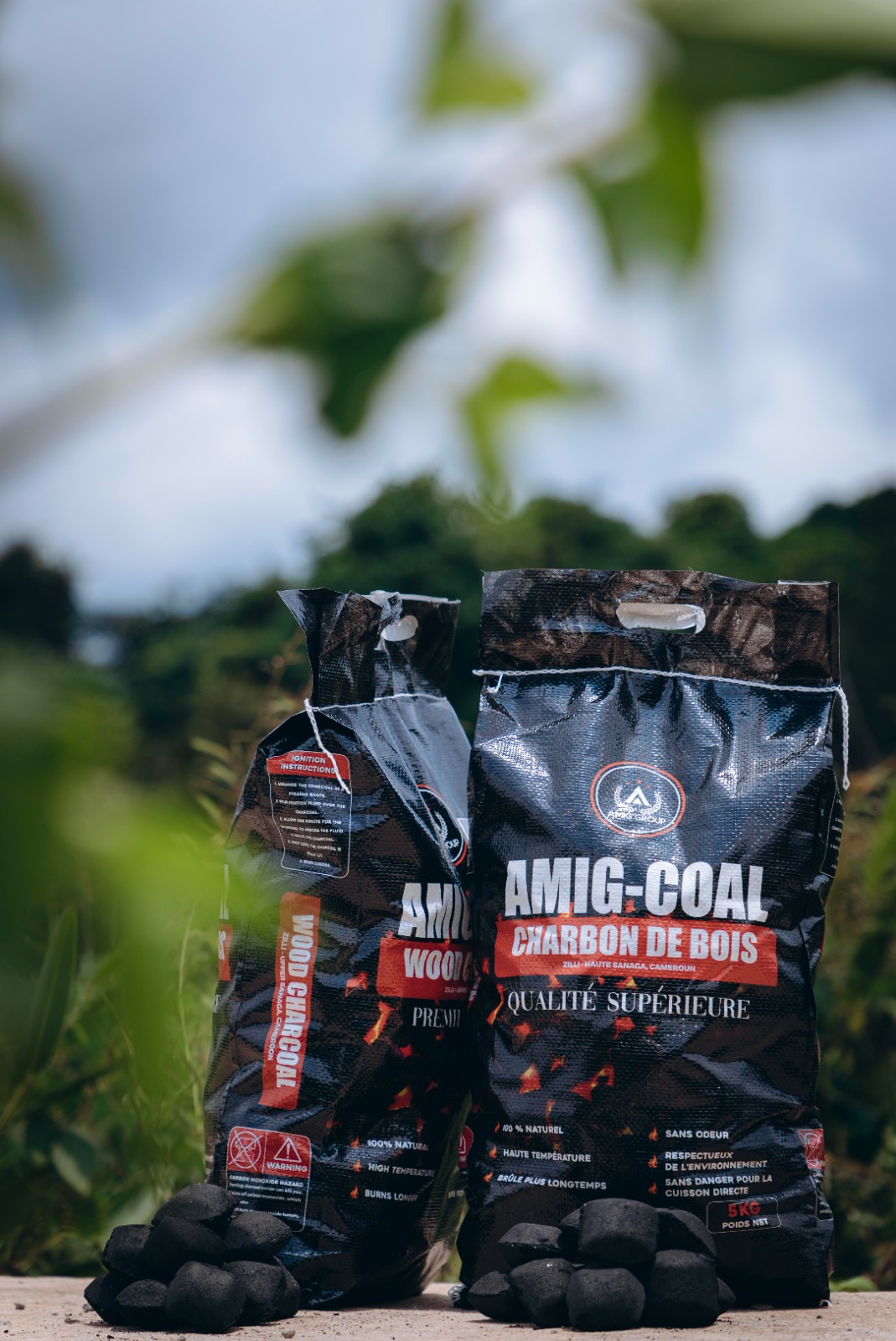
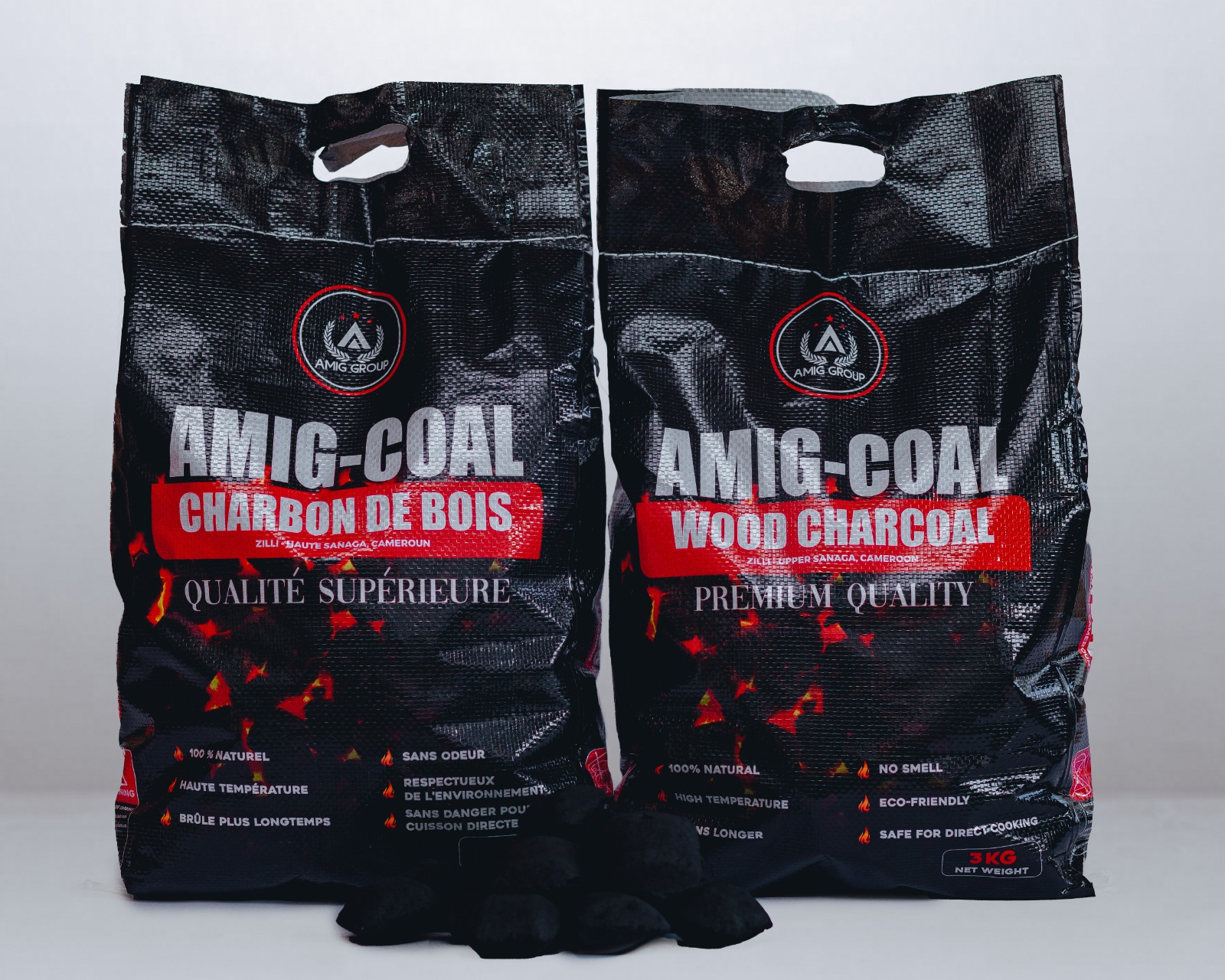
AMIG COAL produces cooking briquettes from sawmill leftovers and cassava starch. Both inputs are sourced locally. The company says its briquettes are manufactured entirely in Cameroon, without imported raw materials. Wood residue is carbonised, mixed with cassava starch and compressed into fuel for household cooking.
It is a comparatively simple idea, but one that sidesteps much of the system currently causing headaches for LPG users.
There is no imported gas cargo to secure. No international LPG price to subsidise. No dependence on whether an importer has been paid. And households do not need to own a particular company’s cylinder before they can buy the fuel.
Turning Waste Into Cooking Energy
AMIG COAL was established in 2023 after its founders began looking at how waste from sawmills and cassava processing could be turned into cooking energy. The enterprise subsequently developed a production operation in Zilli, working with sawmills and small-scale cassava processors for its raw materials.
There is no shortage of potential feedstock.
A 2023 study published in AIMS Energy, using FAOSTAT crop-production data, estimated that Cameroon’s crop residues and municipal solid waste have a theoretical energy potential of around 606 petajoules a year. Crop residues accounted for roughly 96% of that potential.
That does not mean all of the material can immediately or economically be converted into household fuel. But it points to an energy resource that remains largely underused while the country spends billions importing and subsidising another cooking fuel.
Pricing Briquettes for Ordinary Households
For AMIG COAL, affordability is central to the proposition.
Its briquettes currently sell for CFA500 per kilogram, CFA1,500 for three kilograms and CFA2,500 for five kilograms. The company says it deliberately prices them at roughly the same level as ordinary charcoal rather than treating ecological fuel as a premium product. It also says the briquettes burn longer than traditional charcoal, produce little or no visible smoke and do not blacken cooking pots, which can reduce how much fuel a household needs over time. Those performance claims have not been independently tested for this article.
That distinction matters. AMIG COAL is not necessarily cheaper simply because one bag costs less than another fuel. Its economic argument is that households can spend less over time because the briquettes last longer while remaining accessible at familiar charcoal prices.
An Environmental Case Built Around Waste
Its environmental case is also more specific than claiming that briquettes are emission-free. They are still a combustible fuel. The advantage claimed by the company lies mainly in what is being burned: sawmill waste that already exists, rather than trees being cut specifically to produce conventional charcoal, while cassava starch provides the binder.
The model therefore addresses two problems at once: cooking-energy costs and the disposal of biomass waste.
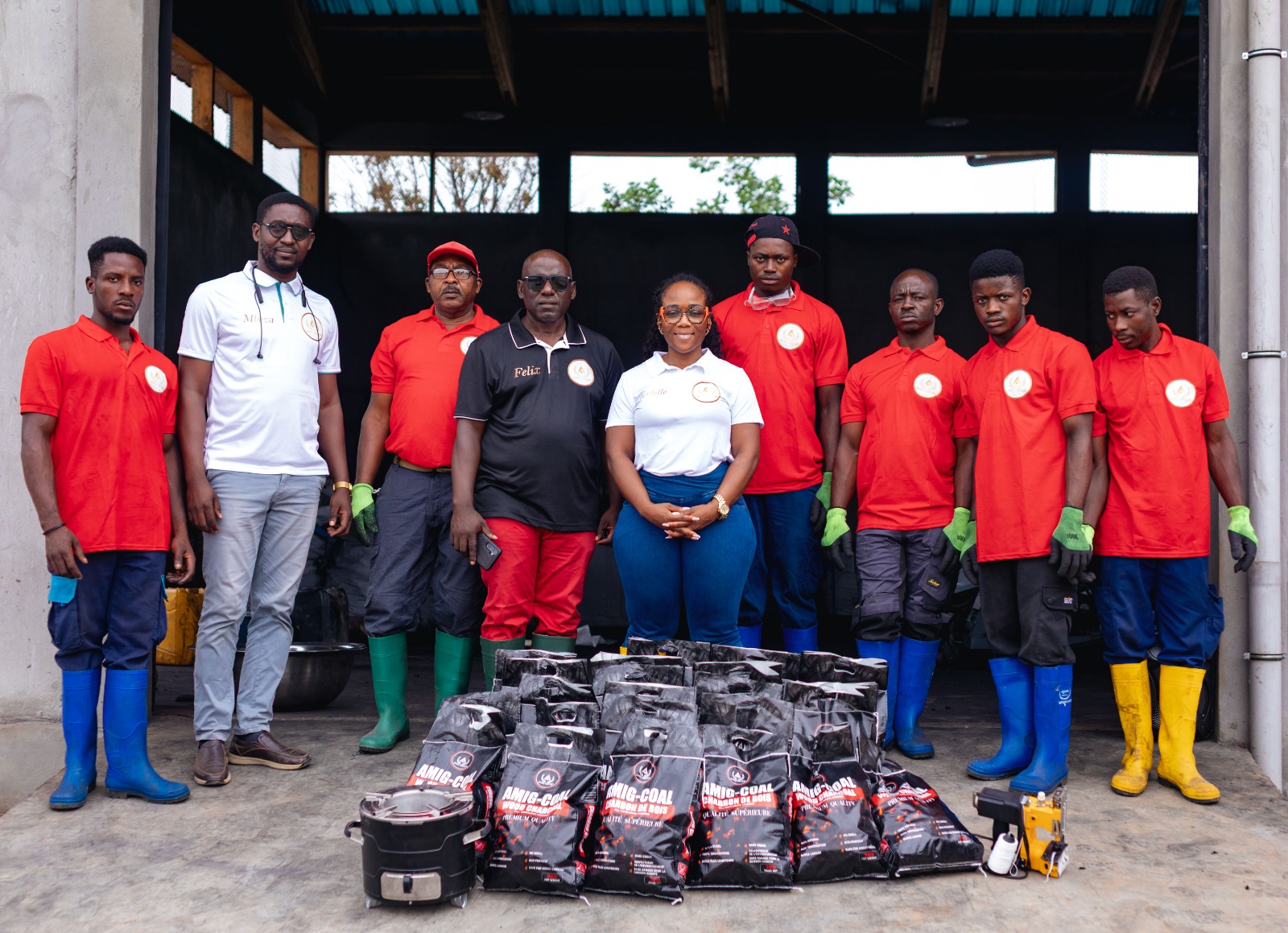
The company says it now provides employment and technical training to more than 50 Cameroonians, including young people working in machinery operation and production, while women earn income supplying cassava starch.
Government Support Signals Wider Interest
The government has already taken notice. In January 2025, AMIG Group signed an agreement with the Agency for the Promotion of Small and Medium-sized Enterprises, APME, covering support and investment incentives for its ecological-charcoal activities. Cameroon Tribune reported an investment of about CFA1.2 billion and more than 50 jobs linked to the project.
Scaling Up Will Not Be Simple
None of this means briquettes can replace Cameroon’s LPG market overnight. Millions of households have already invested in gas cylinders and cookers, and demand for LPG is rising. Scaling biomass briquette production enough to serve large urban markets would also require greater production capacity, reliable distribution and consistent quality.
But the SCTM crisis has exposed a weakness that goes beyond one company.
A debt between businesses can leave thousands of households searching for cooking gas. A disruption in imports can become a national supply problem. Government then has to intervene through mediation, subsidies or another international tender.
A Broader Question for Cameroon’s Energy Policy
AMIG COAL presents another possibility: part of Cameroon’s cooking-energy demand could be met through fuels whose raw materials, production and jobs remain inside the country.
At a time when Cameroon is preparing to buy another 60,000 tonnes of LPG abroad, the question may therefore be bigger than how quickly the next gas cargo can arrive.
It is whether the country is investing enough in the alternatives already being made at home.
Looking for an affordable, locally made and longer-burning alternative to charcoal and gas? Choose AMIG COAL briquettes for cleaner, more efficient cooking.
For orders, partnerships and enquiries, contact AMIG COAL:
📞 Phone/WhatsApp: +237 6 82 18 78 39|
📧 Email: [email protected]
📍 Location: Zilli Nkoteng, Centre Region, Cameroon
Website: www.amiggroup.org
Switch to AMIG COAL today—turn local waste into reliable cooking energy and power a cleaner Cameroon.