

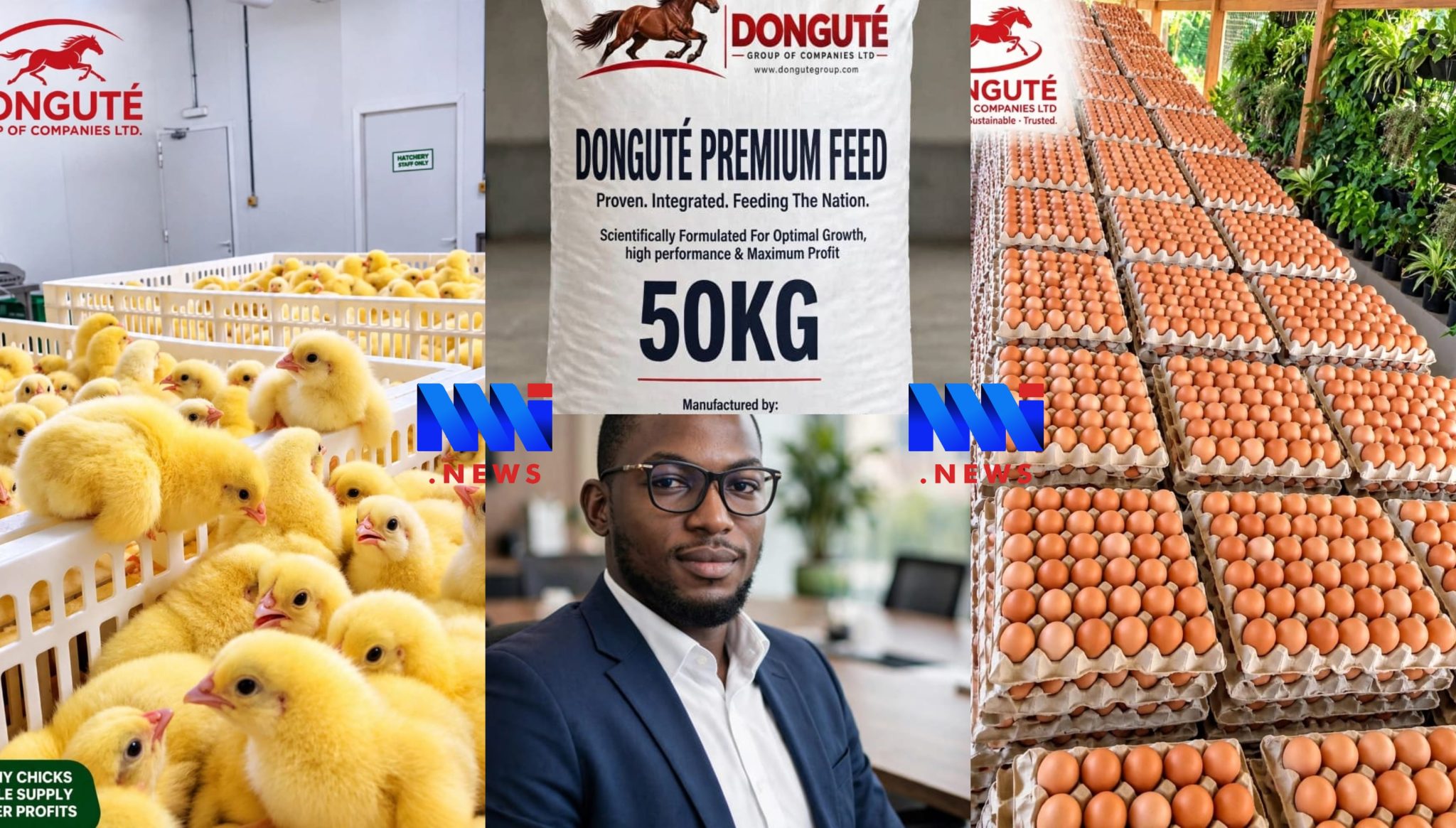

Donguté Group of Companies Ltd, a Limbe-based agribusiness, is seeking investors to expand its hatchery, feed mill and poultry farms after reporting that demand from farmers in Cameroon’s South West Region has outgrown its financial resources.
Its appeal brings into view a part of food production that consumers rarely see: the businesses supplying farmers with chicks and feed. Their ability to deliver these inputs helps determine how many birds farmers can raise, the costs they face and, eventually, what households pay for meat and eggs.
“Demand has now exceeded our financial ability. Our clients are growing daily, farmers across the South West are asking for more chicks, more feed, more eggs,” the company said in its investment appeal.
Donguté lists its head office and main farm at Mile 2, Former Guarantee, in Limbe, with other locations in Batoke, Mile 16 on the Buea Road, Muea and Kumba Park. It is looking for partners within Cameroon and in the diaspora to help increase production.
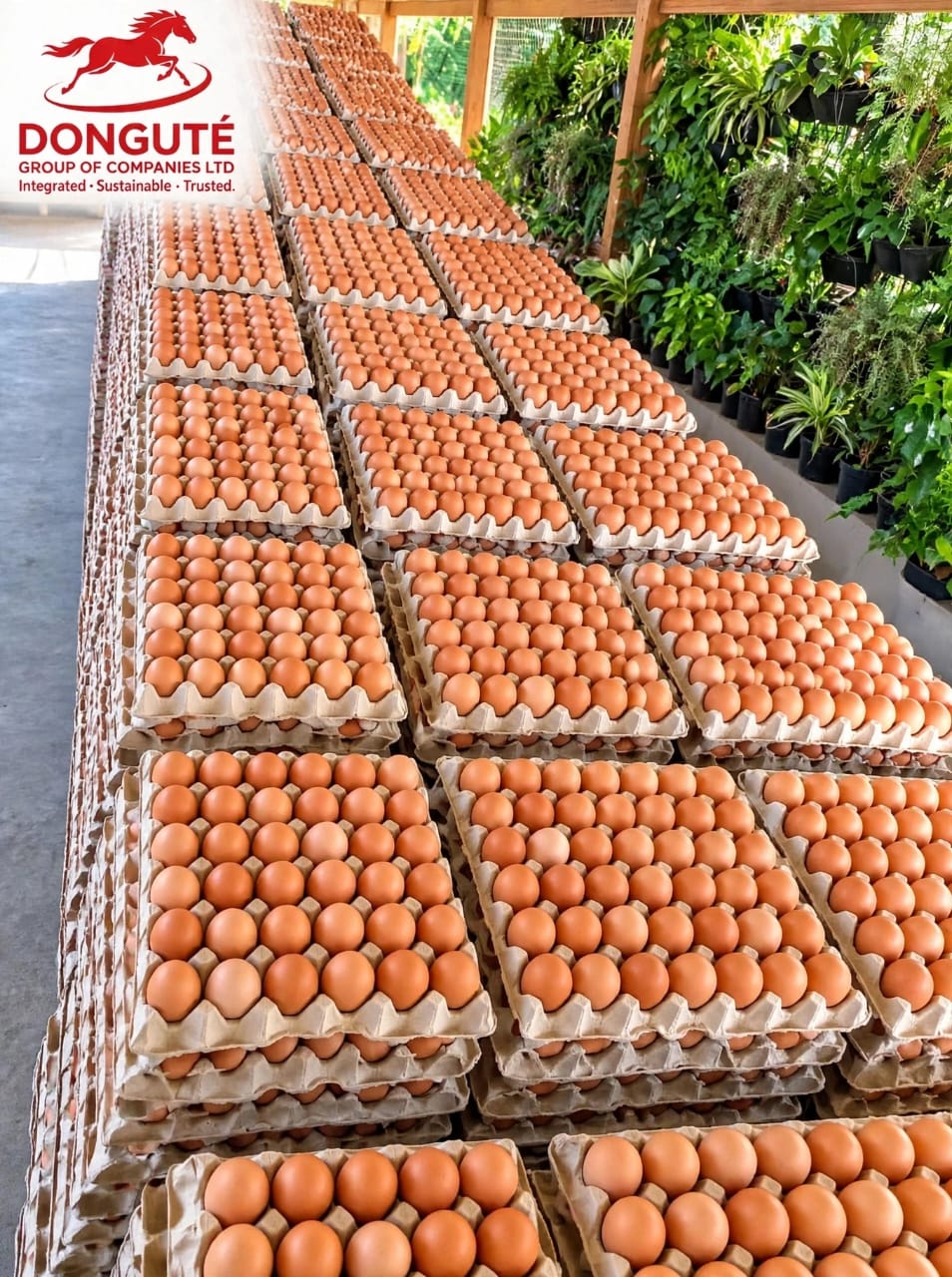
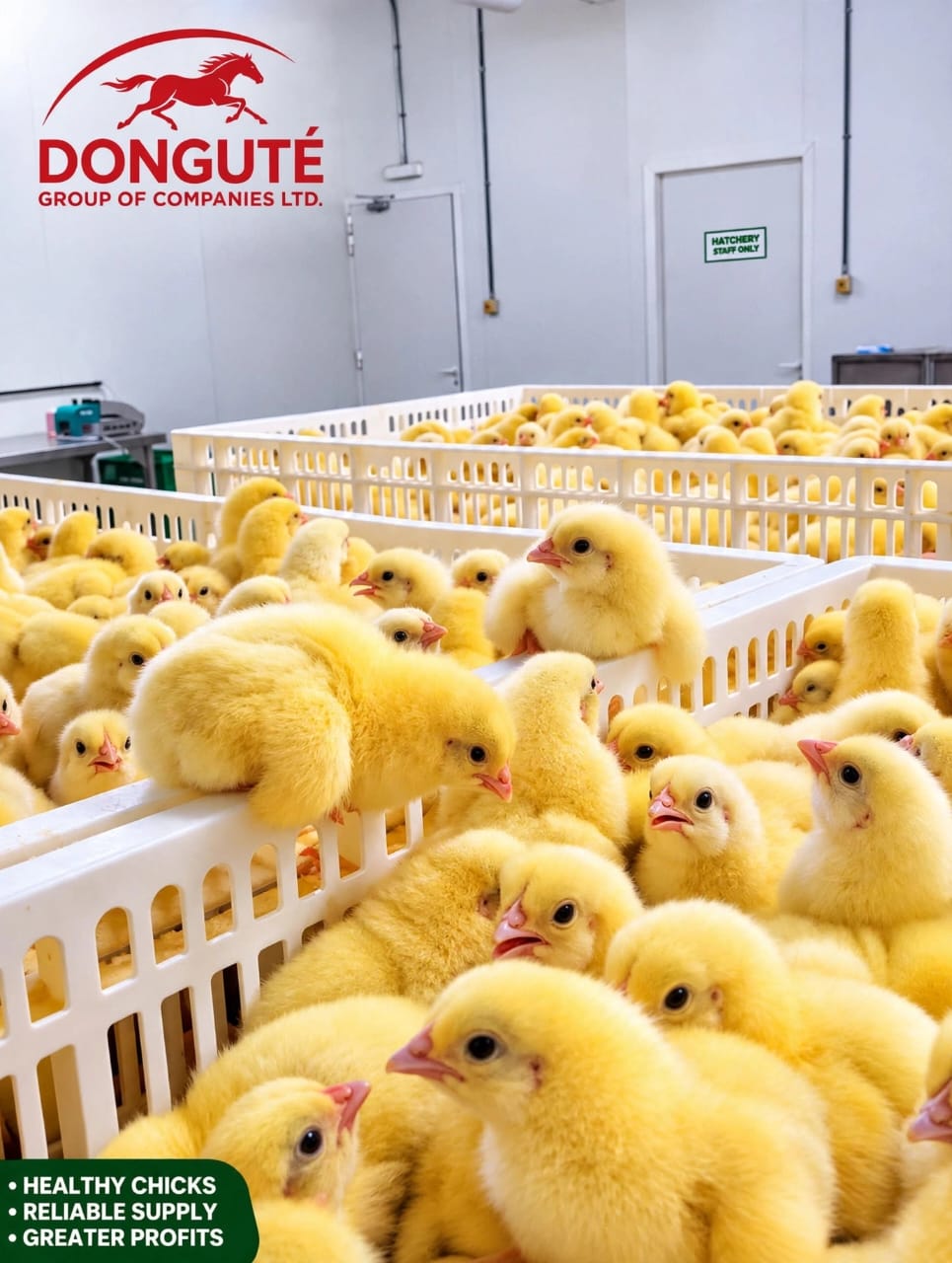
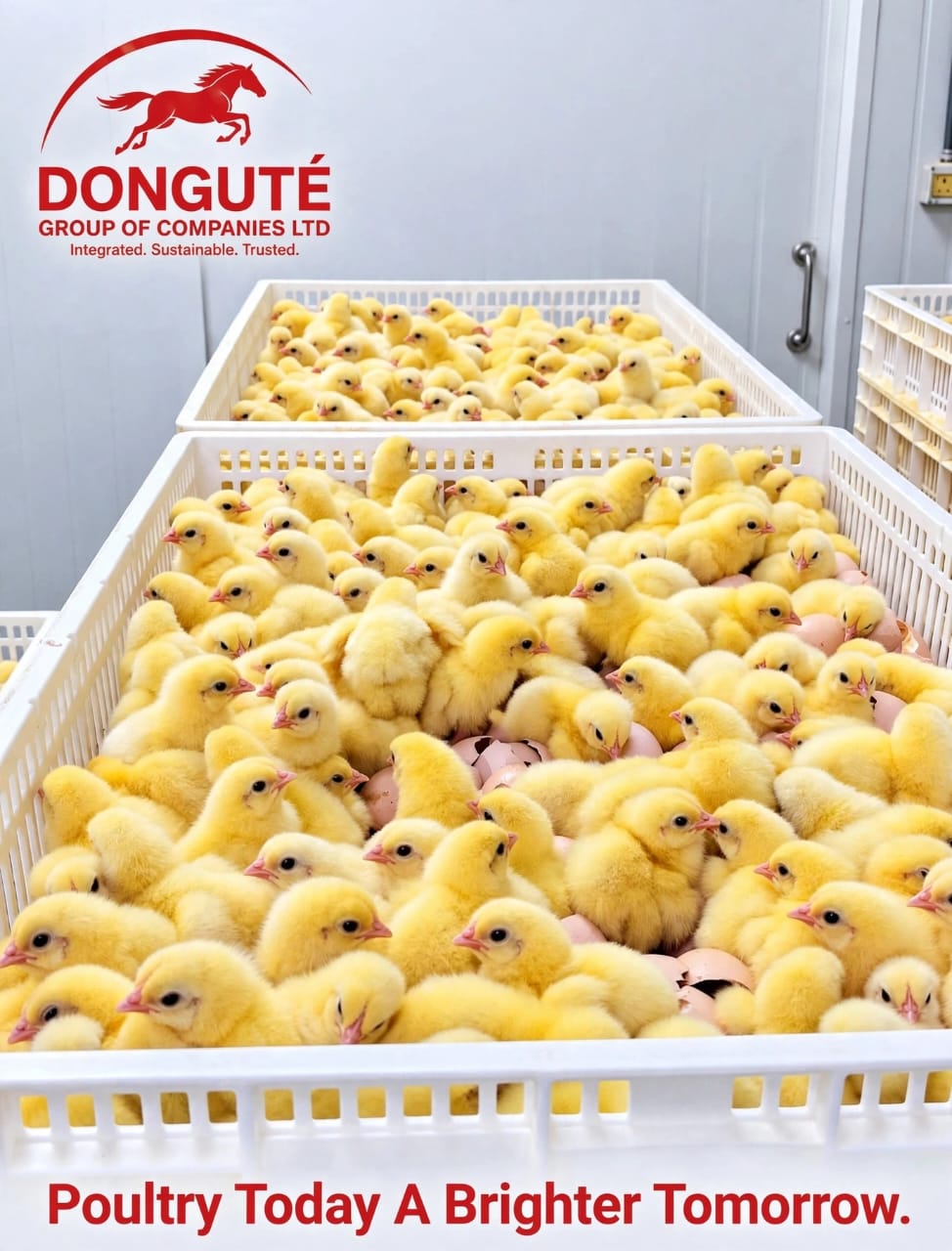
The business behind a tray of eggs
A poultry business depends on much more than buying birds and waiting for them to grow. Hatcheries supply chicks, feed mills provide their diets, and farmers must manage housing, water and disease prevention before birds or eggs reach the market.
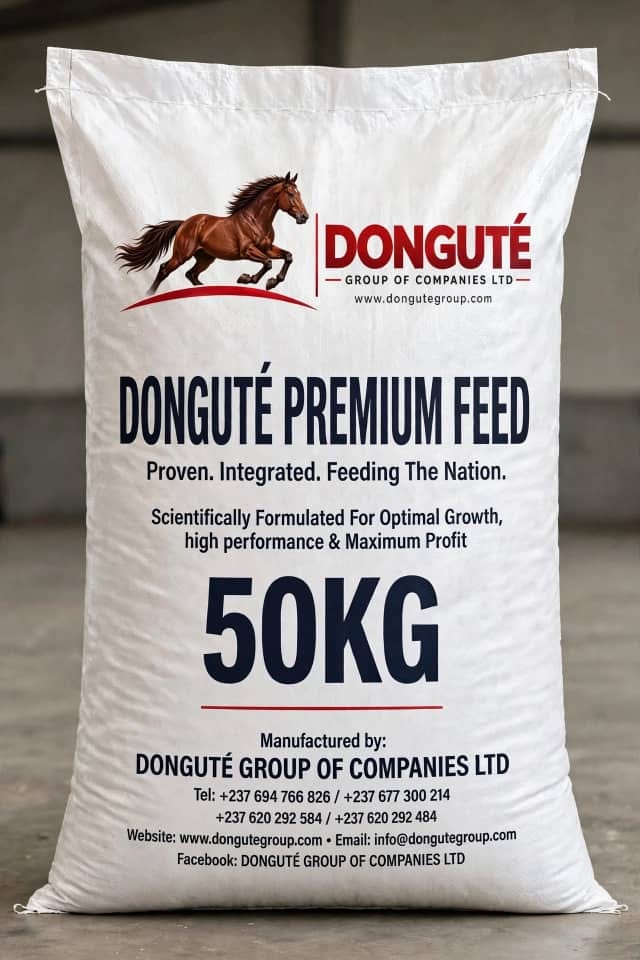
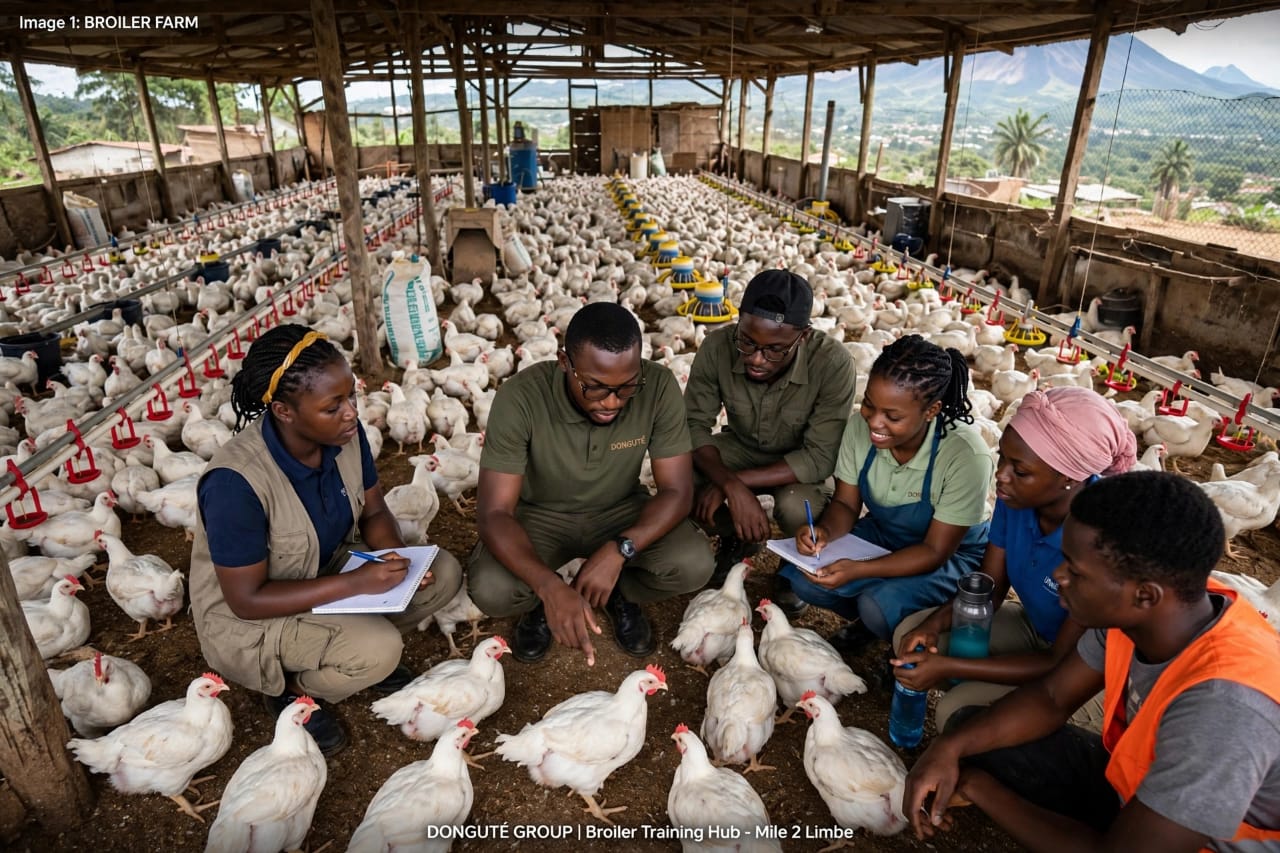
Donguté’s approach brings several of these activities together. Alongside its farms, the company describes a hatchery, feed production and veterinary services, as well as a training academy. The aim is to supply the inputs farmers need while providing practical support for using them.
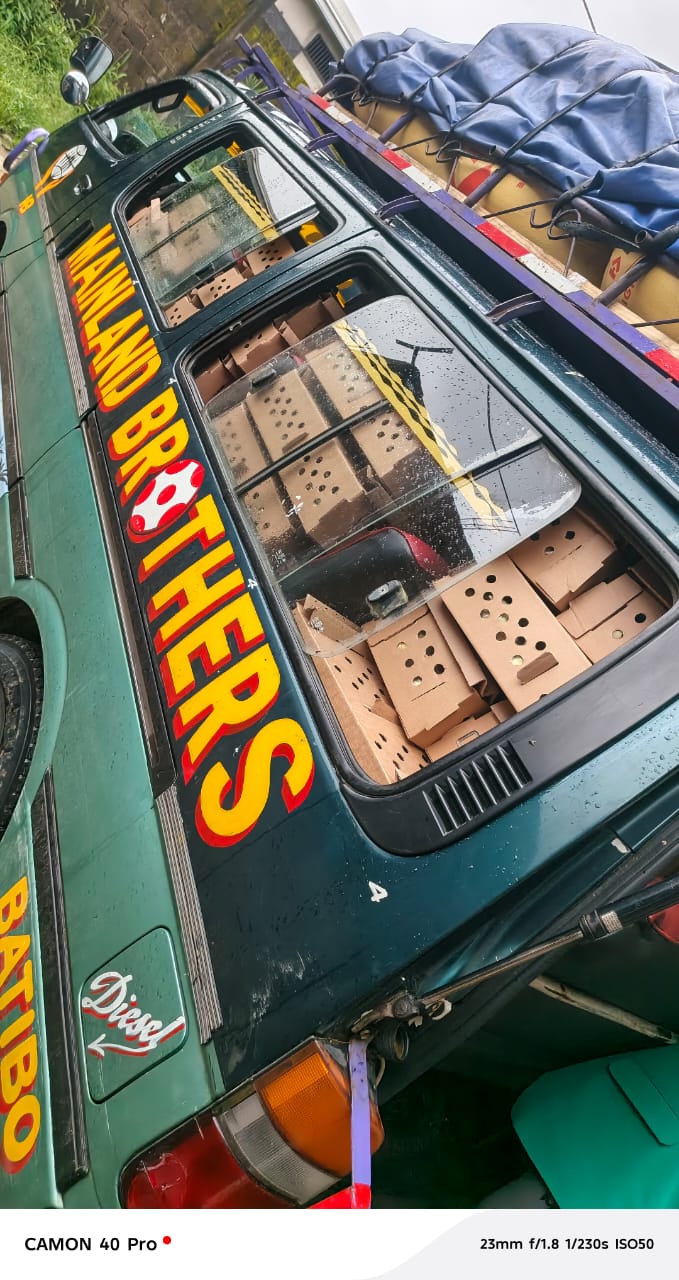
Such a model can matter beyond the company’s own premises. A reliable supply of chicks allows another farmer to start a flock; consistent feed helps that farmer maintain production. A shortage at either stage can delay sales and leave housing or equipment unused.
The Food and Agriculture Organization of the United Nations (FAO) identifies access to quality chicks and feed as a particular difficulty for small commercial poultry farmers. It describes a poultry supply chain that also includes transport, processing, storage and retailing. Investment in one part can therefore create work and business opportunities elsewhere.

National growth can conceal regional losses
Official figures show the scale of poultry’s contribution to Cameroon’s food supply. The Ministry of Livestock, Fisheries and Animal Industries (MINEPIA) recorded approximately 65,300 tonnes of poultry meat in 2023, up from about 59,800 tonnes in 2022, an increase of roughly 9%.
The same report put national table egg production at 123,103 tonnes in 2023, compared with 107,377 tonnes a year earlier, a rise of about 15%.
The South West moved in the opposite direction. Its recorded table egg production fell from 2,192 tonnes in 2022 to 1,984 tonnes in 2023, a decline of around 10%. The region accounted for about 1.6% of the national total, calculated from the ministry’s figures.
Those dated figures show why the location of investment matters. An increase in national output can coexist with falling production in a particular region. Expanding local hatchery and feed capacity could help farmers respond to demand closer to their markets, provided supplies remain dependable and costs manageable.
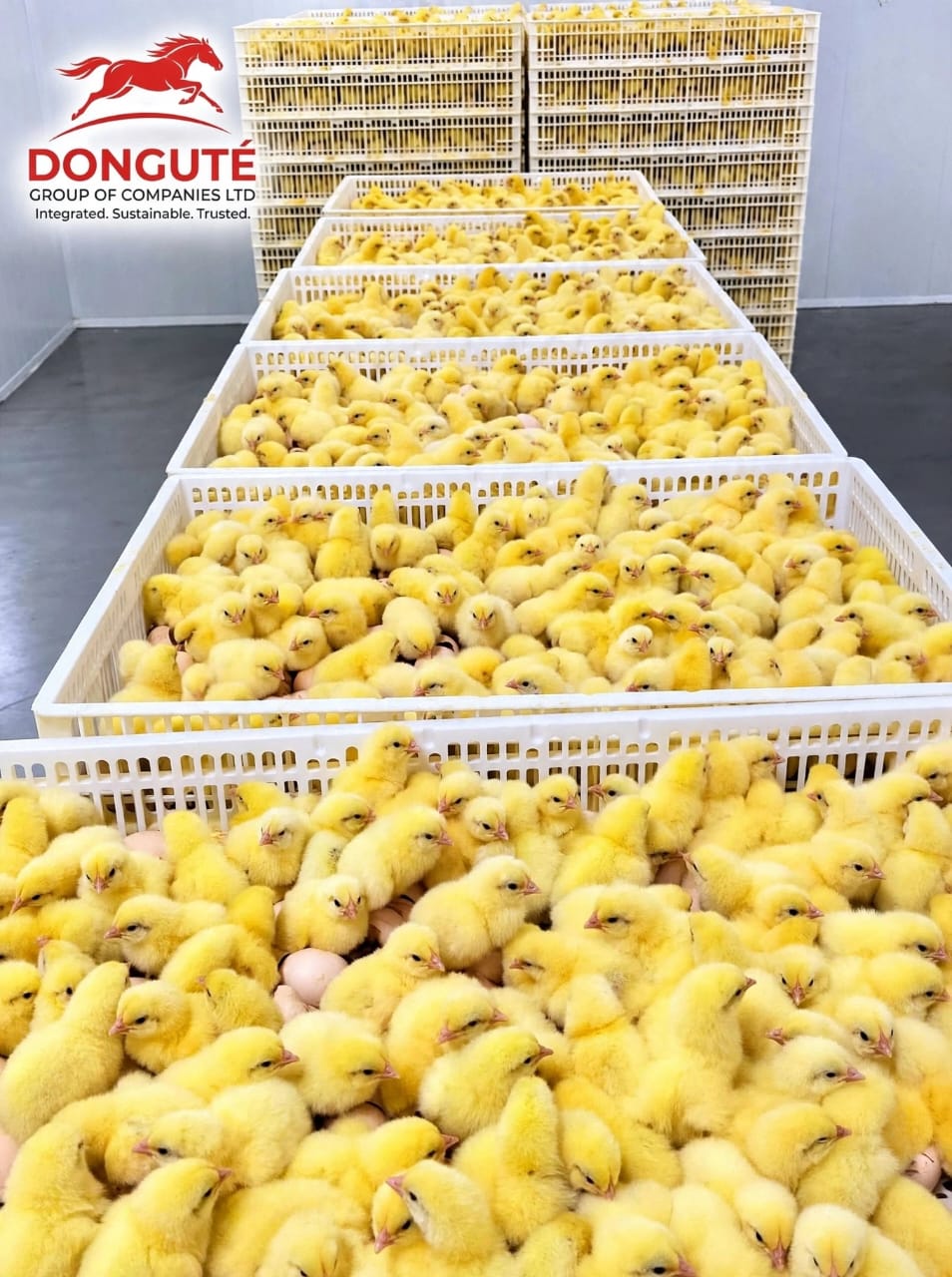
Food and income for households
The importance of poultry also lies in what it puts on the plate. Eggs and poultry meat supply high-quality protein. A FAO report published in April 2023 examined how foods from land-based animals contribute to healthy diets, including their role in supplying nutrients during childhood, pregnancy and older age.
Producing more food does not automatically make it affordable. Feed costs, losses on farms and distribution expenses all affect selling prices. The public benefit of expansion depends partly on whether increased output reaches households at prices they can pay.
For producers, poultry can provide income alongside other activities. FAO describes small family flocks as a form of savings and a buffer against shocks such as poor harvests, because birds can be sold when cash is needed.
Commercial expansion also creates demand for work beyond tending birds. Feed must be mixed and bagged, chicks delivered, equipment maintained and products sold. The number and quality of jobs will depend on the scale of production and how the business operates, but the employment possibilities extend along the route from farm inputs to consumers.
Feed costs and skills shape the outcome
Feed is central to the economics. FAO’s Poultry Development Review says it can account for up to 70% of total poultry production costs. This is a general sector estimate, rather than a measurement of Donguté’s expenses, but it explains why a feed mill can be an important part of an expansion plan.
Increasing milling capacity is only useful if the feed meets birds’ nutritional needs and farmers can afford it. Poor-quality inputs or interrupted supplies can undermine the returns expected from larger flocks.
Skills and animal health are equally relevant. Donguté says its training academy covers broiler and layer management, feed formulation, vaccination, record-keeping and marketing. These are the practical tasks that determine whether a farmer can turn a batch of chicks into a viable business.
FAO warns that poultry diseases can severely affect production and trade, and identifies biosecurity as a defence against pathogens entering commercial farms. Expansion therefore needs veterinary support and disease prevention alongside additional buildings and equipment.
For Donguté, the immediate challenge is financing that expansion. Its appeal does not specify a funding target or proposed investment terms. Any agreement would need to establish what additional capacity the money would buy and how the business would sustain the costs of operating it.
The company’s reported demand presents a possible route to growth. Delivering on it would mean getting more chicks and feed to farmers, who in turn would need to raise healthy birds and find buyers. That sequence is where poultry’s contribution to food supply and livelihoods will be measured.
Donguté gives [email protected] as its contact for partnership enquiries, with “INVESTOR PARTNERSHIP” as the email subject. Further information is available at www.dongutegroup.com.