


In the vast stretches of the Sahel, a mechanical silhouette crosses the sky, often barely visible to the naked eye. It may serve recreational purposes, deliver humanitarian aid, or function as a weapon. As regional conflicts grow more complex, drones have become a central element, with the potential for both constructive and destructive outcomes.
Multifunctional Drone Technology
Originally designed for diverse applications, drones today serve a wide range of civilian and commercial purposes. From remote-controlled hobby aircraft to agricultural surveillance tools, medical delivery systems, and mapping equipment, drones represent a major technological innovation. In remote parts of the Sahel, drones have facilitated rapid delivery of essential medicines and the location of missing persons following natural disasters.
Military Use and Wider Accessibility
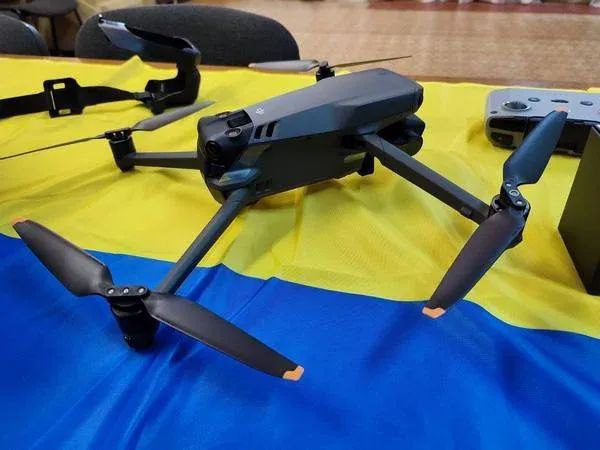
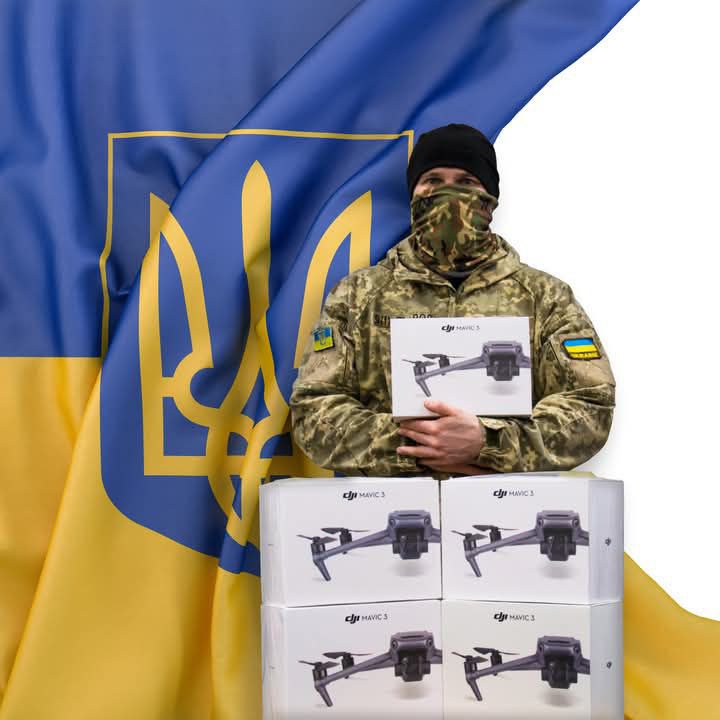
Drone technology is no longer limited to major global powers. Manufacturing costs have decreased, and availability has increased. Lightweight and efficient models are now widely accessible through open markets or can be assembled using commercially available parts. This ease of access has led to their growing use in conflict zones.
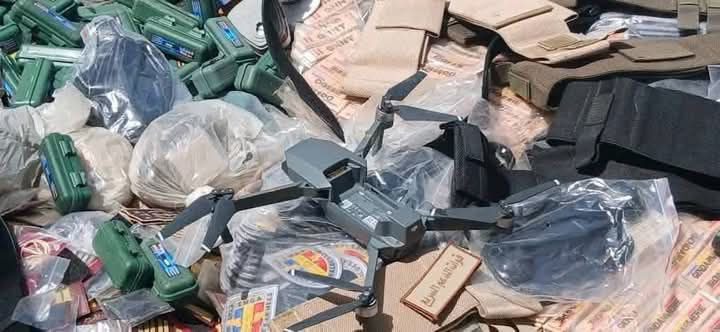
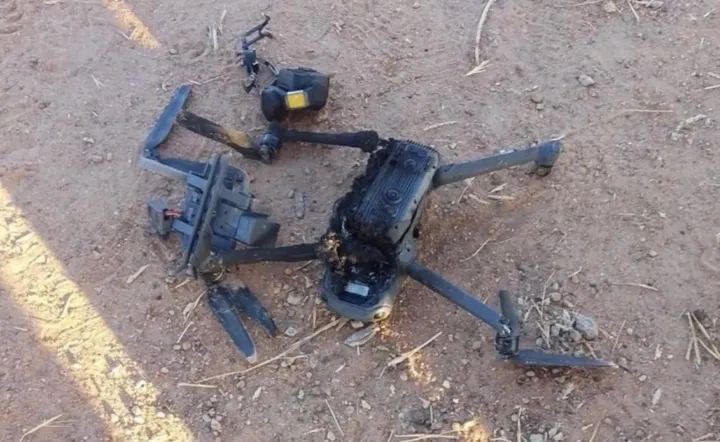
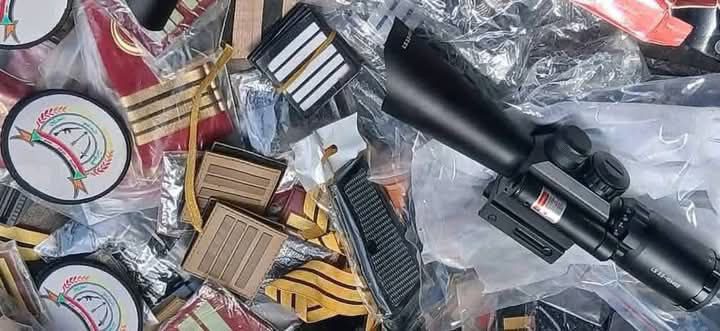
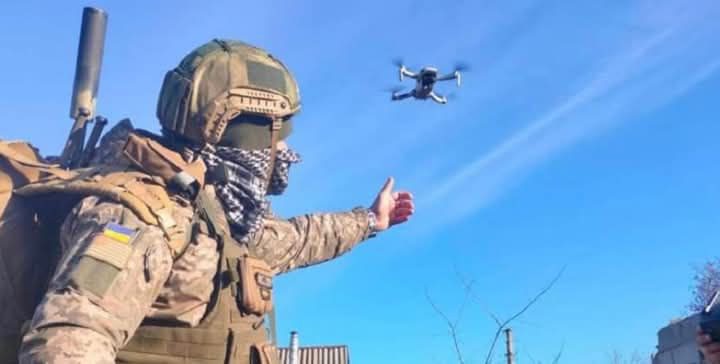
In several parts of the Sahel, drones have been deployed for reconnaissance missions, border surveillance, and targeted strikes. Their ability to access difficult terrain without risking the lives of combatants makes them particularly effective in asymmetrical warfare scenarios.
Rising Security Risks
The increasing prevalence of drones has led to growing concerns. Reports have documented their involvement in targeted attacks on isolated villages, resulting in casualties and contributing to instability. The combination of stealth, speed, and precision makes drones potentially dangerous in conflict environments, especially when used by non-state actors.
Security experts have raised alarms. “In a context as volatile as the Sahel, where armed groups with differing agendas are active, controlling these devices is a major challenge,” one expert stated. The proliferation of FPV (first-person view) drones—originally intended for racing or immersive filming—highlights how recreational technologies can be repurposed for tactical and harmful uses.
Legal Gaps and Traceability Issues
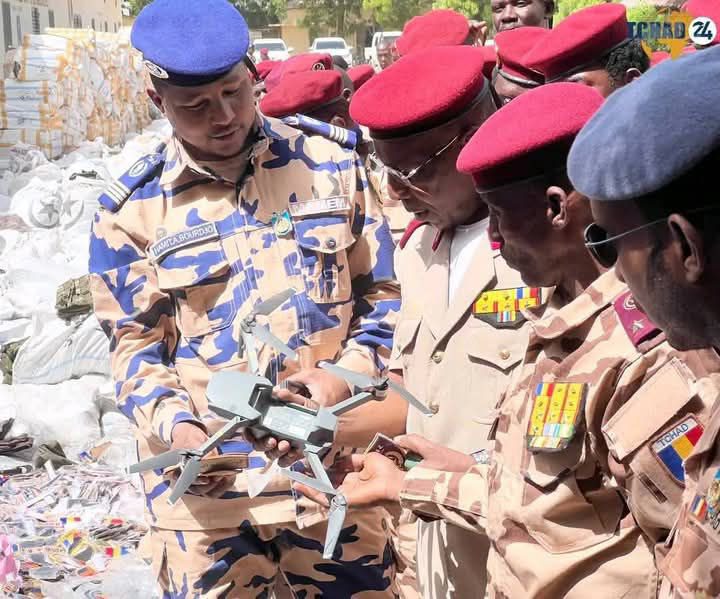
Current legal frameworks are struggling to keep pace with the spread of drone technology. The origin of drones involved in certain attacks often remains unclear, and supply chains are difficult to track. Issues of accountability, export control, and technological oversight are becoming increasingly critical.
Sahelian states, facing multiple security challenges, are calling for international cooperation to regulate drone usage and prevent their misuse. “The regulation of these technologies must be a shared priority,” a government official emphasized.
A Matter of Collective Security
Drones, by nature, are neutral tools; their impact depends on how they are used. In a region already facing significant security pressures, drone technology represents a dual challenge: a potential driver of progress and an instrument of escalation. Effective regulation, responsible deployment, and international coordination are now essential for ensuring long-term stability in the Sahel.

