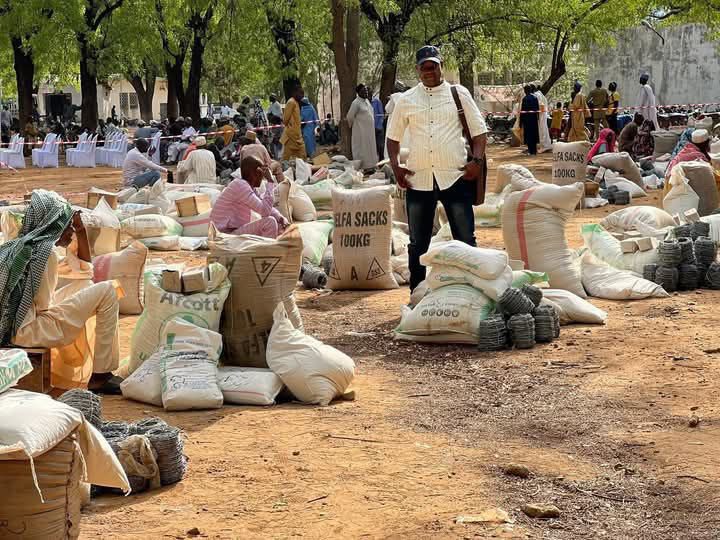
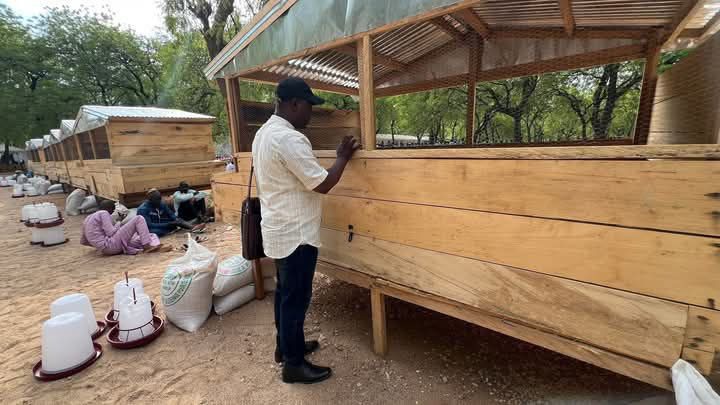
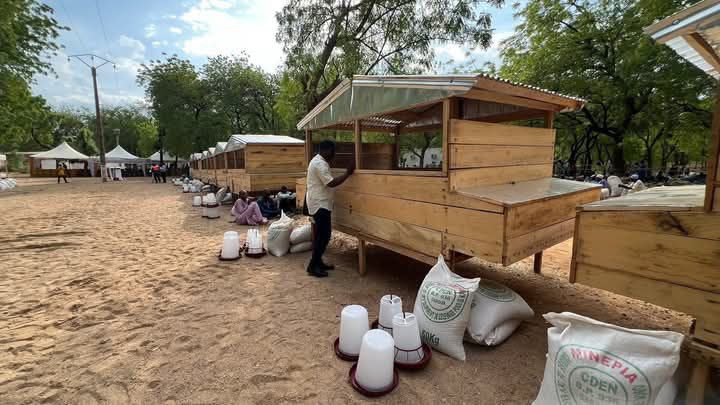
Diamaré, Far North Region – In a context marked by climatic, security, and economic challenges, animal farming has become a strategic development priority in Cameroon’s Far North. Dr. Taïga, Minister of Livestock, Fisheries, and Animal Industries (MINEPIA), led a working visit to the Diamaré department. There he oversaw the distribution of livestock kits to local producers.
The handover ceremony took place at 3 p.m. at the MINEPIA regional delegation in the Missinguélé neighbourhood. Administrative and traditional authorities attended, along with a large group of citizens. They thereby showed strong local interest in revitalising the livestock sector.
Livestock Kits Distributed to Diverse Producers
The recipients of the support included small ruminant breeders (goats and sheep), poultry farmers, beekeepers, and dairy producers from multiple communes within Diamaré. The distributed kits contained livestock feed, animal farming equipment, veterinary supplies, and also beekeeping tools.
The initiative is part of MINEPIA’s broader strategy to enhance household resilience. It further aims to promote local production in a region where livestock farming remains a key pillar of the economy.
“This is not just about distributing equipment, but about promoting a modern, sustainable, and productive model of livestock farming,” said Dr. Taïga during his address.
Government Strengthens Livestock Sector in DiamaréGovernment Strengthens Livestock Sector in Diamaré
Toward a Modern and Professional Livestock Industry
This intervention is part of a national policy to professionalise animal value chains and combat food insecurity and rural poverty.
During the event, the Minister held discussions with beneficiaries regarding their key challenges, such as market access, veterinary services, and financing. He committed to providing ongoing technical support and conducting regular evaluations to assess the impact of the distributed materials.
Livestock as a Vector for Economic Stability
In a region frequently affected by instability, particularly in border areas, livestock farming not only serves as a source of income but also as a contributor to social cohesion and regional stability.
MINEPIA’s support further demonstrates the government’s commitment to strengthening local production and supporting rural communities.
Meanwhile, beneficiaries expressed appreciation for the support and called for similar initiatives to be expanded to other vulnerable segments of the rural population.