


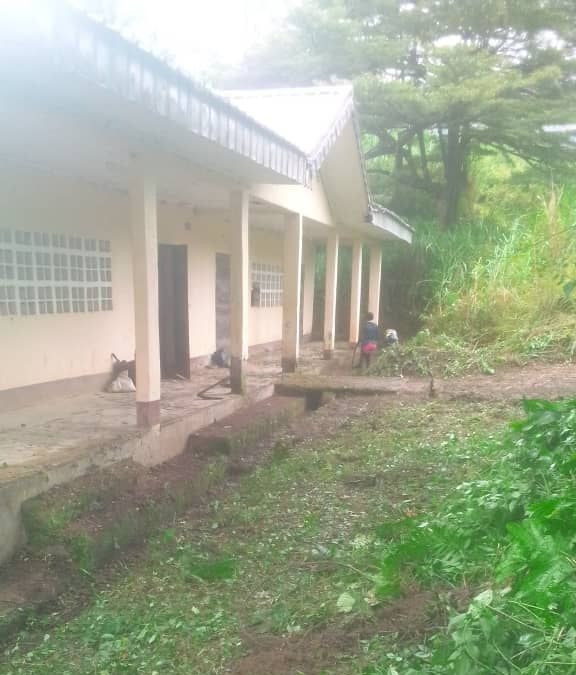

As the new academic year approaches, parents in Cameroon’s North West Region (NWR) are preparing their children to return to school despite persistent socio-political challenges. The ongoing Anglophone crisis continues to disrupt education, leaving many families anxious about both safety and access to quality learning.
The Impact of the Anglophone Crisis on Education
For several years, the English-speaking regions of Cameroon have faced unrest, which has heavily impacted schools. Armed conflict, intermittent closures, and security threats have disrupted the education of countless children.
“It’s a complex situation,” said Mama Agnes, a mother of three in Bamenda. “We want our children to continue learning, but we also worry about their safety getting to and from school. Education is crucial, but it feels like we are constantly balancing risks.”
Experts warn that prolonged disruption in education can have long-term consequences. “When children miss school repeatedly, it affects literacy, skill development, and future opportunities,” said Dr. Esther Fomukong, an education specialist in the region. “The Anglophone crisis is not just a security issue; it’s an educational and social crisis as well.”
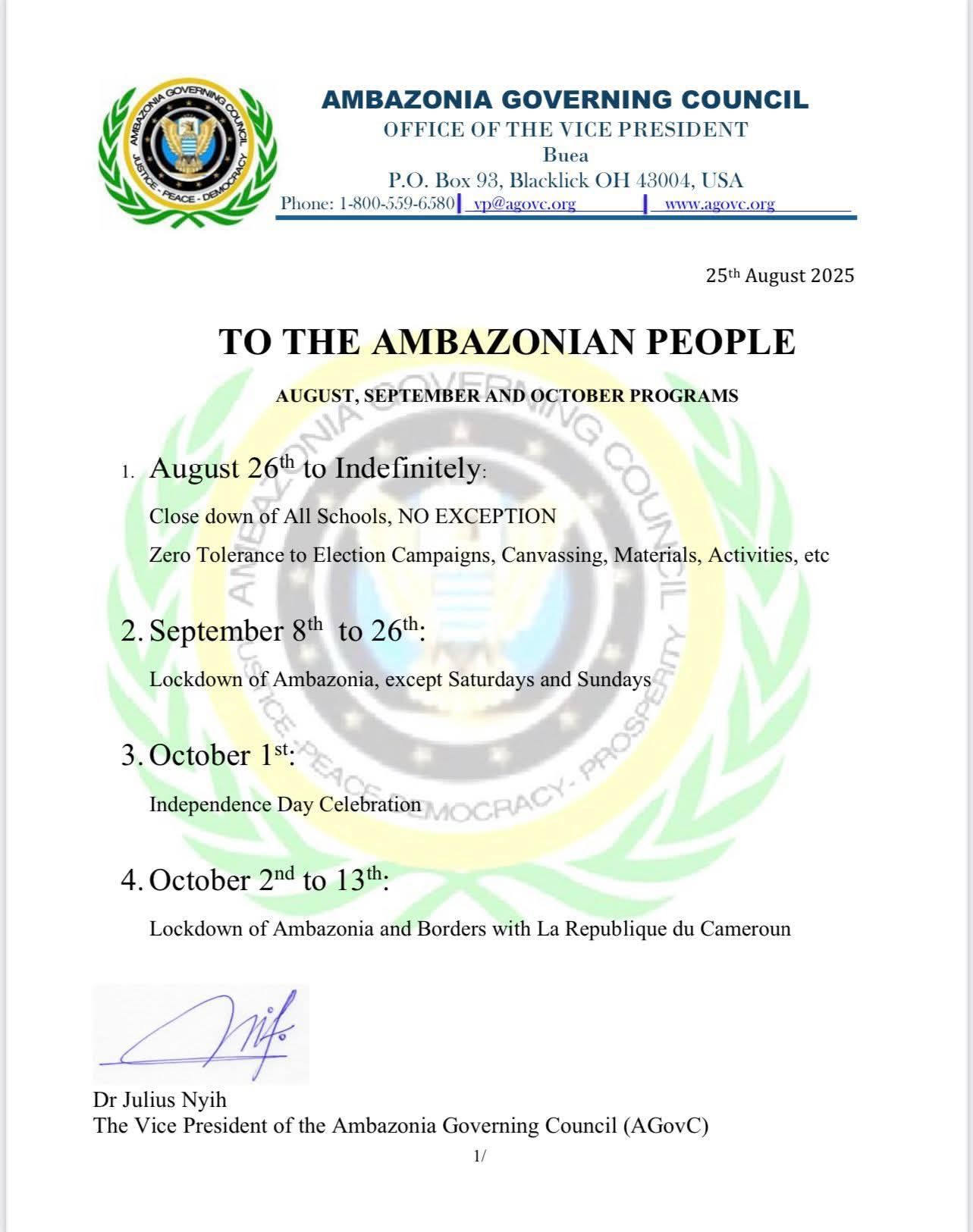
Families Struggle with Costs but Remain Determined
The economic fallout of the crisis has compounded the problem. Families are struggling with rising costs for school fees, textbooks, uniforms, and other essential learning materials.
“Prices have gone up on almost everything,” said Samuel Tabe, a father in Bamenda. “Even if we have the money for fees, getting all the books and uniforms is a real challenge.”
Despite these obstacles, parents remain determined to support their children’s learning. Many are making sacrifices to ensure their children can attend school safely, highlighting the resilience and value they place on education.
“The future of our children depends on their education,” Mama Agnes added. “Even with all the challenges, we will do everything we can to get them back to school.”
As the new academic year begins, the situation in the Northwest Region underscores the urgent need for solutions that ensure both the safety and continued education of children affected by the ongoing crisis.