


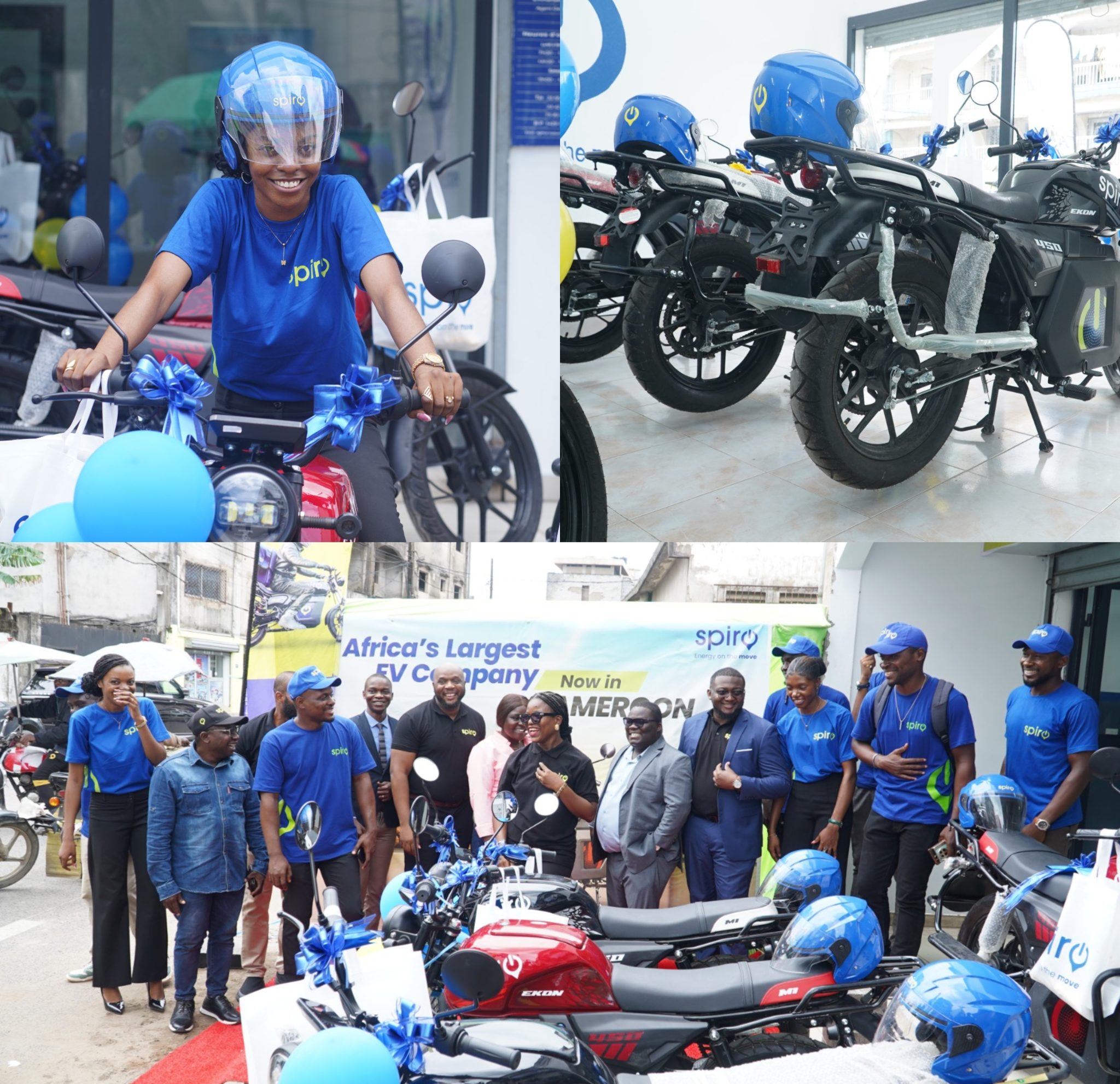
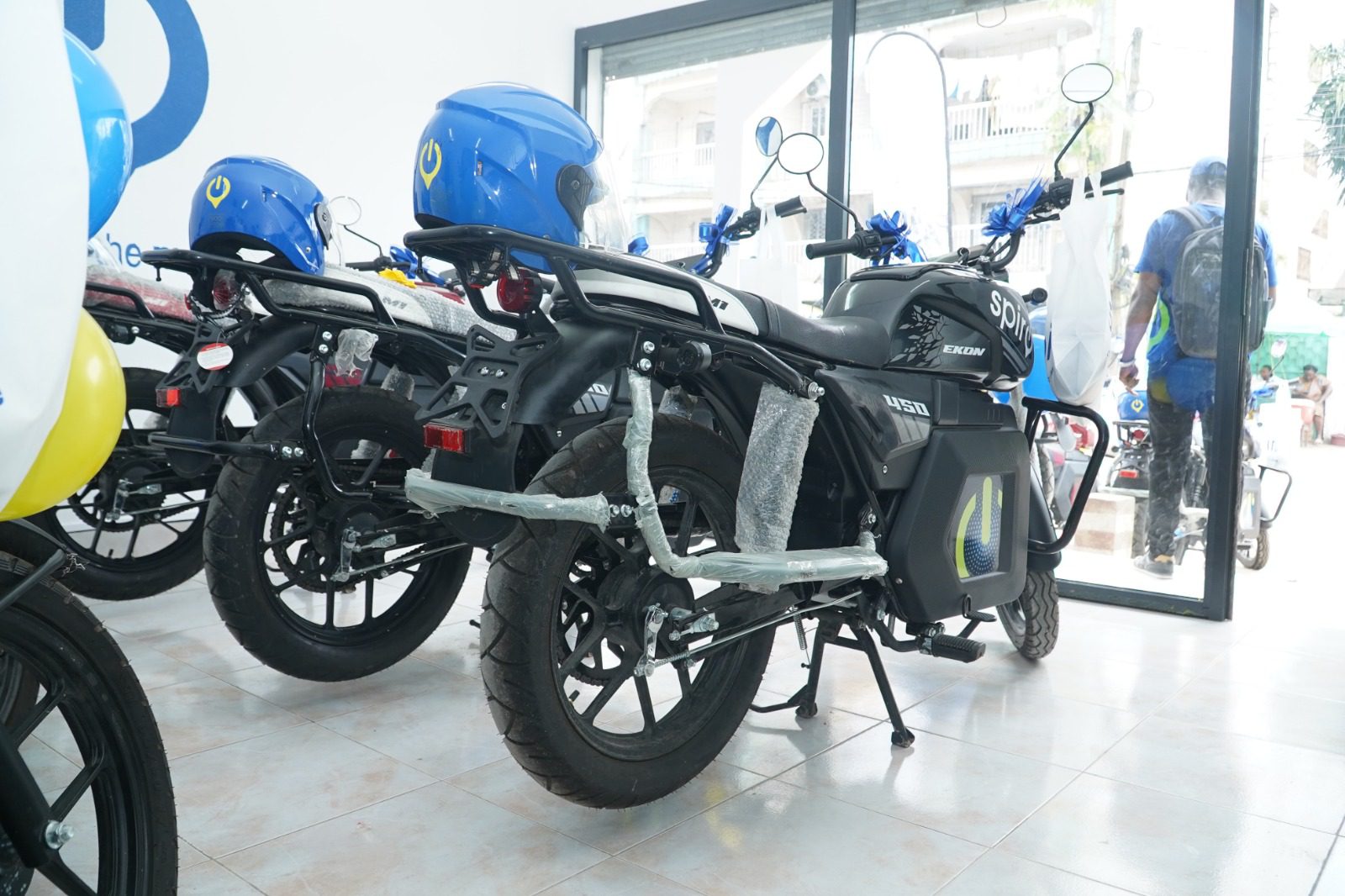
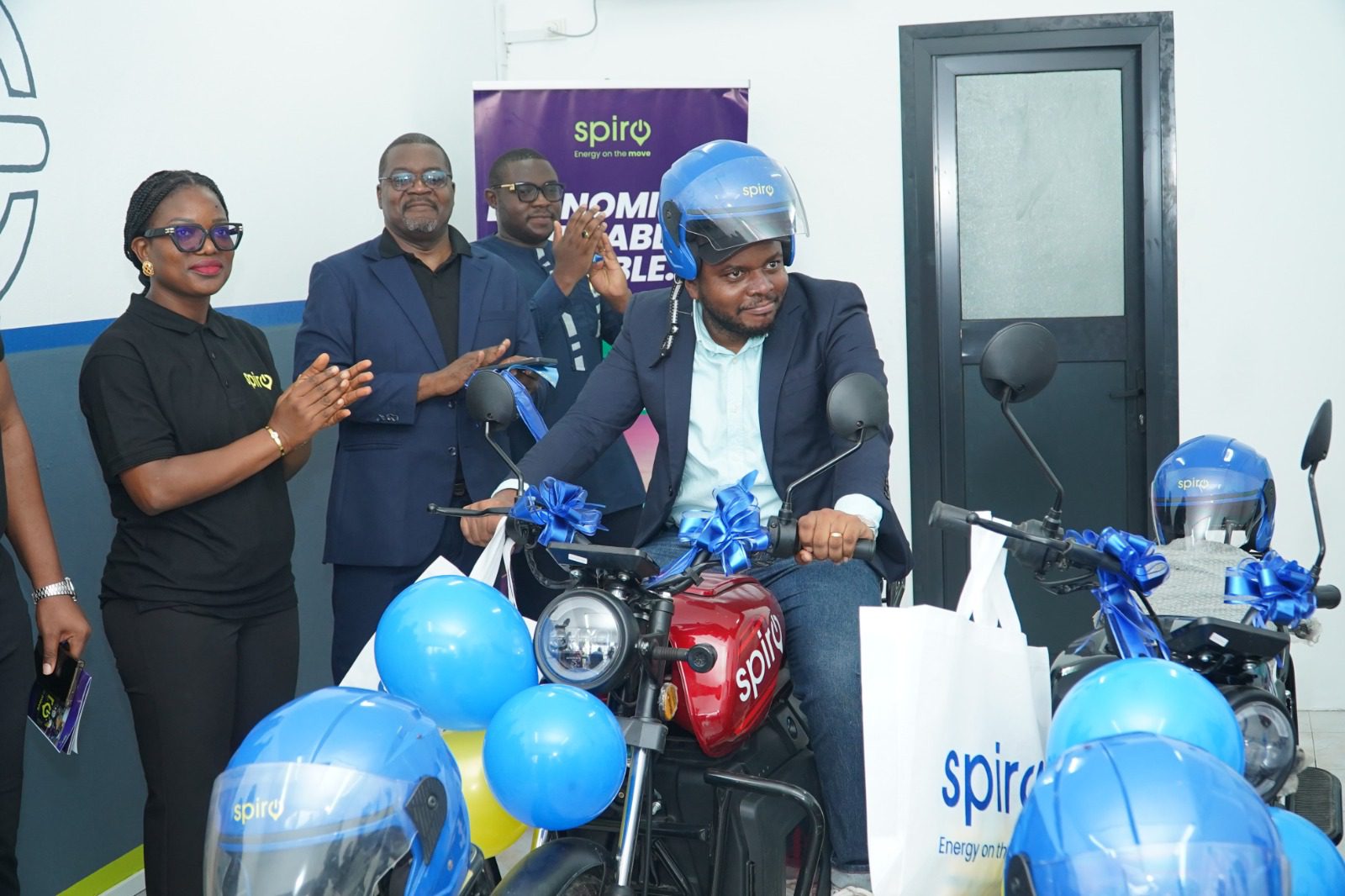
Electric mobility company Spiro has officially launched its operations in Cameroon, unveiling its entry into the market with the deployment of 40 electric motorcycles in Douala, marking what it describes as the beginning of a new era of green urban transport.
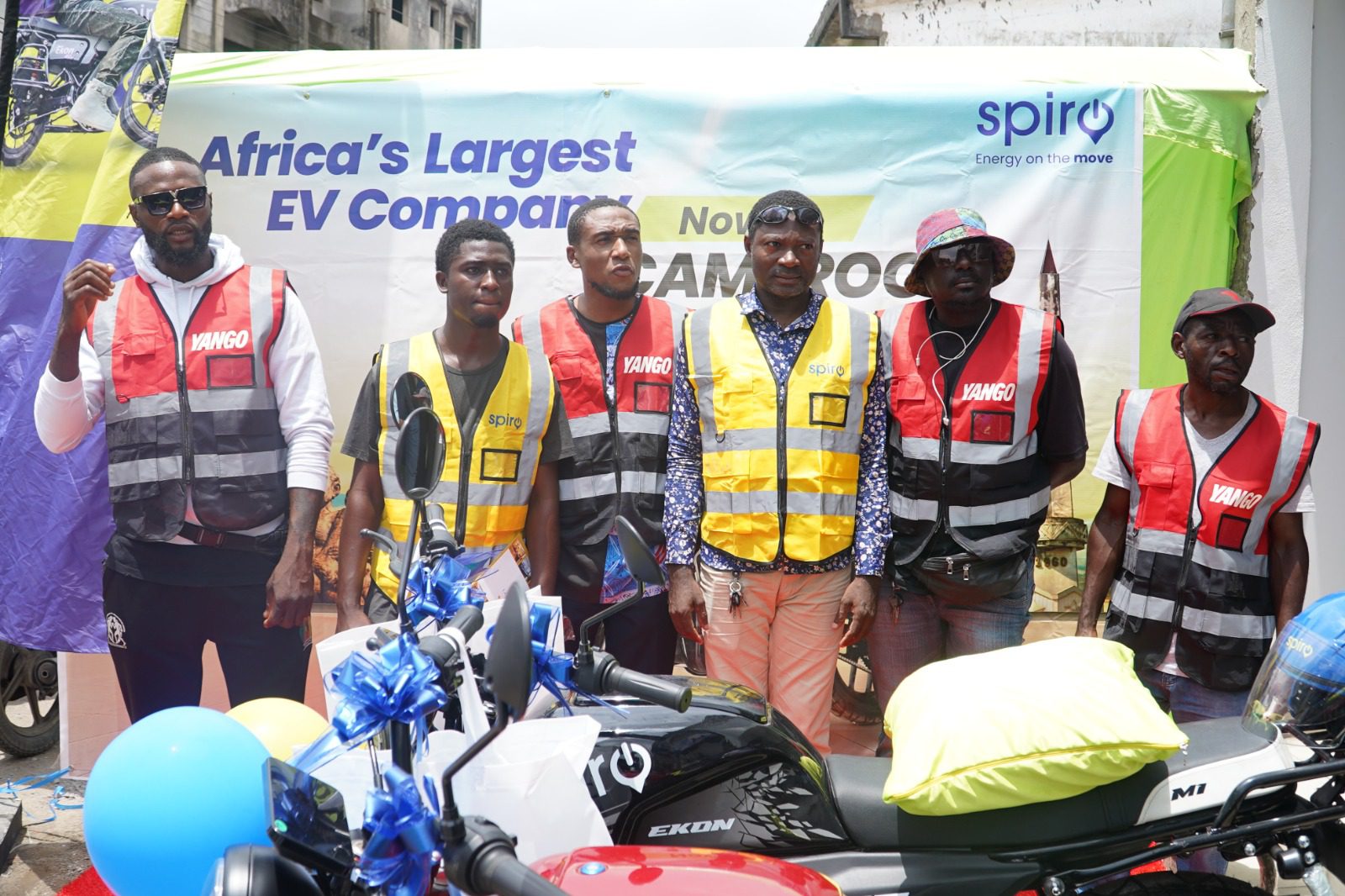
The launch, carried out in partnership with Royal Holding, a fleet operator active on the Yango platform, signals a transition from planning to full operational presence in the country’s mobility sector.
From Entry to Execution
Unlike earlier indications of a phased rollout, the latest development confirms that Spiro is now operational in Cameroon, positioning itself to directly compete in the country’s highly active motorcycle transport market.
The company says its entry is designed to “transform urban mobility” by offering clean, accessible, and cost-effective transport solutions, particularly for riders grappling with rising fuel costs and economic pressures.
Targeting the ‘Bendskin’ Economy
Motorcycle taxis — widely known as bendskins — form the backbone of urban transport in cities like Douala. Spiro is targeting this segment as a primary entry point, offering electric bikes as a cheaper and more sustainable alternative to petrol-powered motorcycles.
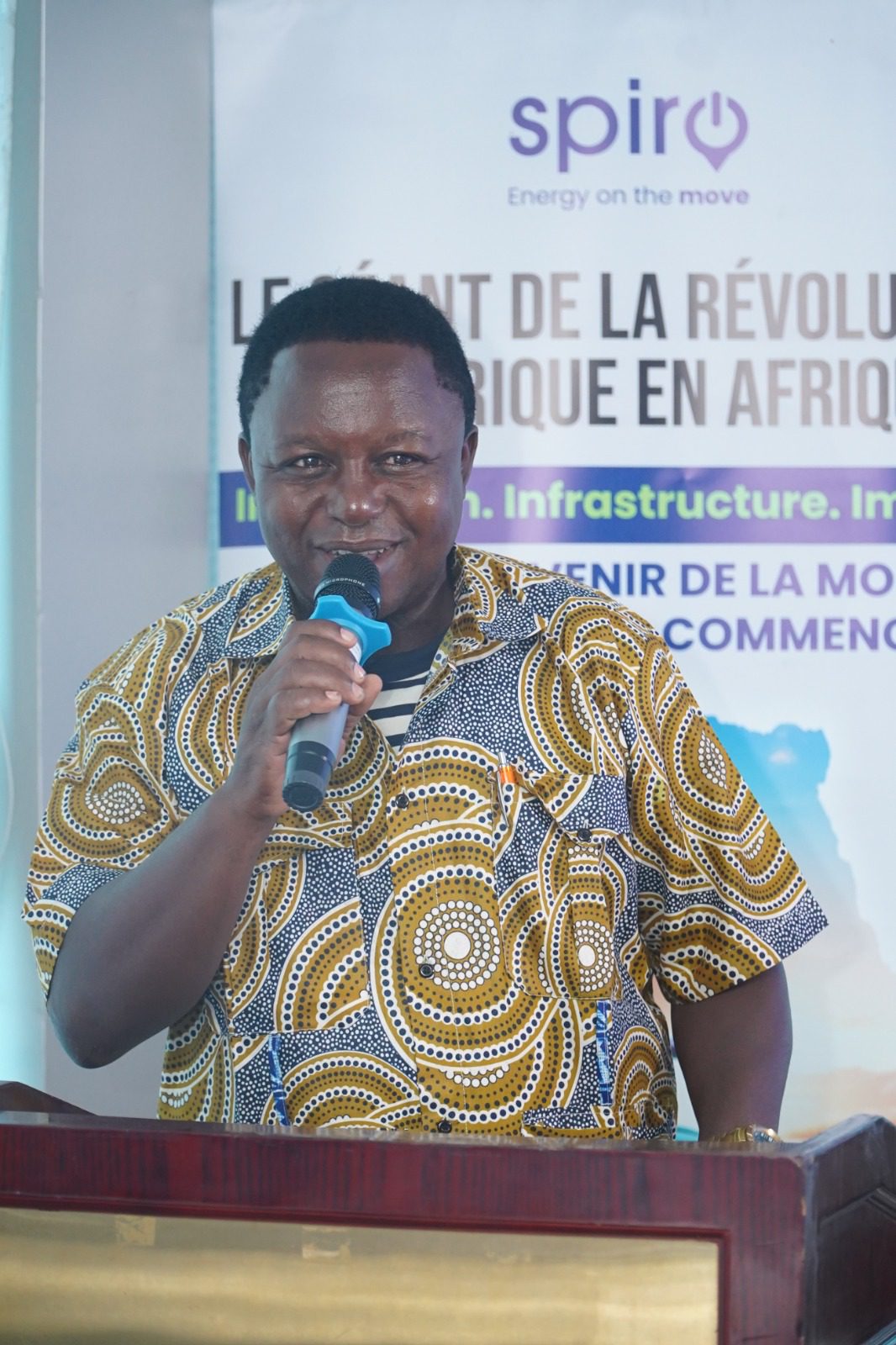
“As we flag off these 40 bikes today, we are not just launching a product but igniting hope and opportunity for our bendskin riders and every Cameroonian facing rising fuel costs,” said Alain Etoundi, Country Director of Spiro Cameroon.
“Spiro brings affordable, clean transport and a healthier environment for the future of Douala and Cameroon.”










A Bet on Green Growth and Jobs
Beyond transport, Spiro is framing its launch as an economic intervention. The company has announced plans for large-scale deployment of electric bikes, alongside thousands of jobs for young people, particularly within the transport and delivery sectors.
“Cameroon is not just another market but Spiro’s vision. We are building a sustainable future, powered by African innovation, for the African people,” Etoundi said.
“This launch in Douala today is a testament to our commitment to empowering communities, fostering economic growth, and leading the charge toward a greener Cameroon.”
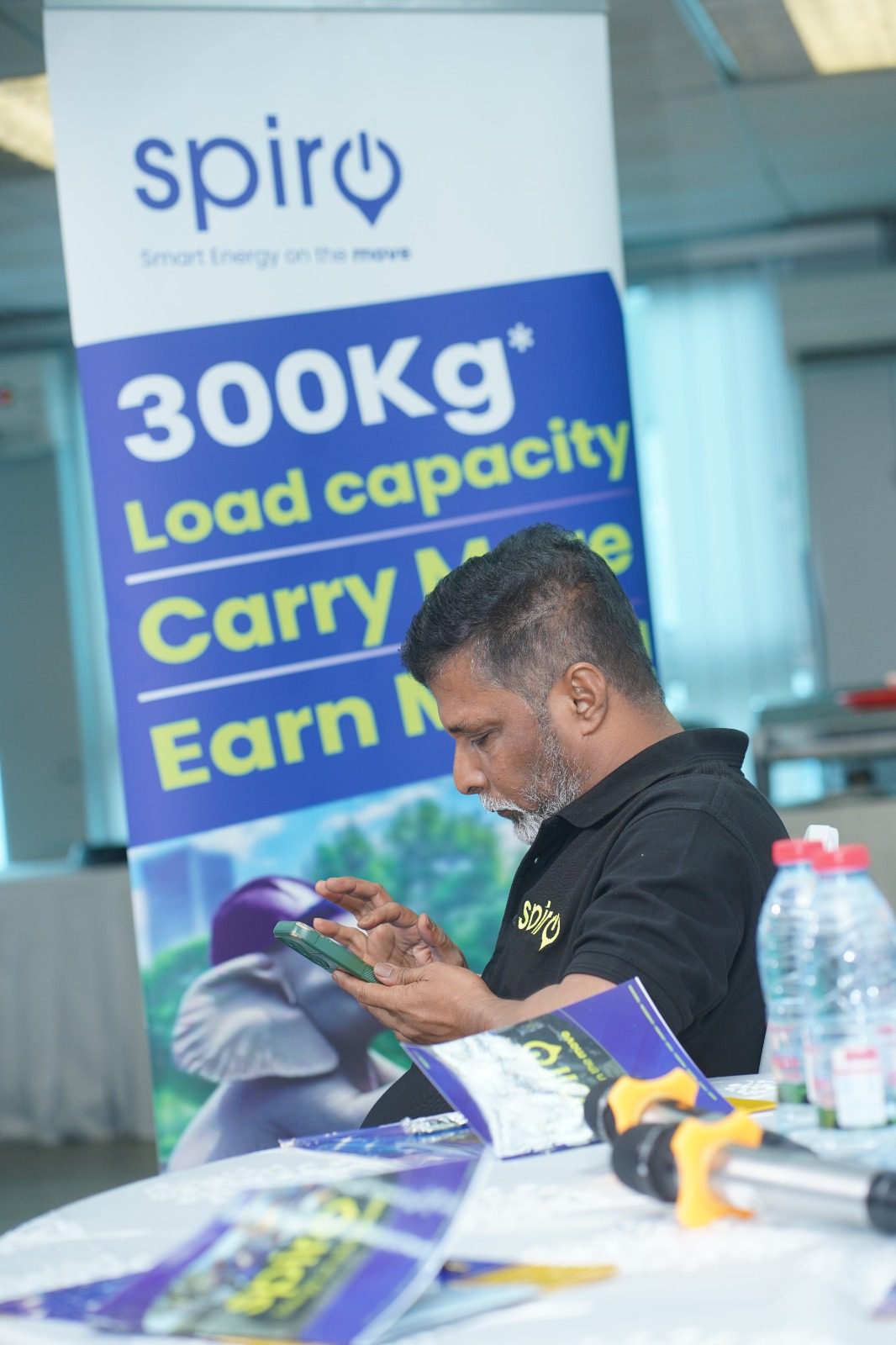
The company also indicated that it will work with financial partners to provide accessible financing options, aimed at enabling riders to acquire electric bikes without prohibitive upfront costs.
Fuel Prices and the Shift to Electric
Spiro’s entry comes against the backdrop of volatile global fuel prices, driven in part by geopolitical tensions, which have had ripple effects on African economies dependent on fuel imports.
The company argues that electric motorcycles offer a practical solution — reducing operating costs for riders while easing pressure on national foreign exchange reserves.
By cutting reliance on imported petroleum, Spiro says its model could contribute to greater energy security and economic resilience in Cameroon.
Battery Swapping at the Core
At the heart of Spiro’s model is its battery-swapping system, allowing riders to exchange depleted batteries for fully charged ones at dedicated stations within minutes.
The system has already been tested at scale across Africa, with over 30 million battery swaps completed, alongside a network of more than 80,000 electric motorcycles and 2,500 swapping stations.
This approach eliminates long charging times and is designed to maximise uptime for commercial riders — a critical factor in high-demand urban environments.





‘Made in Africa’ Ambition
Spiro is also leaning heavily on its identity as an African-built solution, with manufacturing and assembly operations already established in countries including Uganda, Kenya, Nigeria, and Rwanda.
The company says its long-term vision is to deliver electric vehicles “made in Africa, by Africans, for Africa and the world,” while building local capacity and supporting industrial growth.
A Test Case for Central Africa
Cameroon now becomes a key test market for Spiro’s expansion strategy in Central Africa.
With its partnership model — combining fleet operators like Royal Holding and platforms such as Yango — the company is betting on rapid adoption through existing transport networks rather than direct consumer rollout alone.
As urban centres continue to grapple with congestion, fuel costs, and environmental pressures, the success or failure of this launch could shape the trajectory of electric mobility in the region.
For now, Spiro’s message is clear: the transition to electric transport in Cameroon is no longer theoretical — it has begun.

