


At dawn, when a thin mist still hangs over the Logone River, Araï-Na-Abah is already awake. In this remote corner of the Lahay canton, Far North Region of Cameroon, under the traditional authority of His Majesty Mbang Idrissa, the marketplace continues to pulse with life against the backdrop of a region marked by insecurity, cross-border incursions, and daily uncertainty.
Yet every Thursday, without fail, the crowds return — determined, lively, and loud.
Araï-Na-Abah is far more than a trading point. It is a collective act of defiance.
A Commercial Lifeline in a High-Risk Zone
Here, instability is a constant threat. Dirt tracks sometimes fall silent, riverbanks are watched carefully, and river crossings are made with vigilance. But as soon as the sun rises, motorized canoes cut through the water, packed with men, women, and the goods they depend on to survive.
From Nigeria, from Chad, and from surrounding Cameroonian villages, traders arrive knowing full well the risks that travel with them. They also know the market is essential — for feeding families, selling harvests, and keeping the fragile local economy alive.
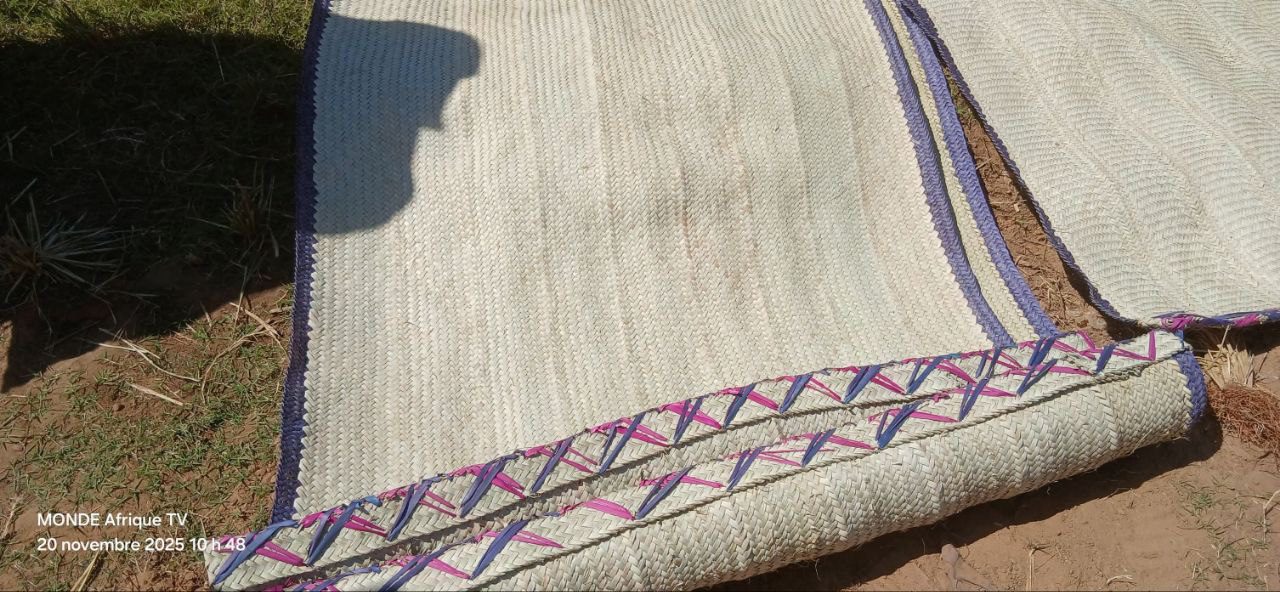
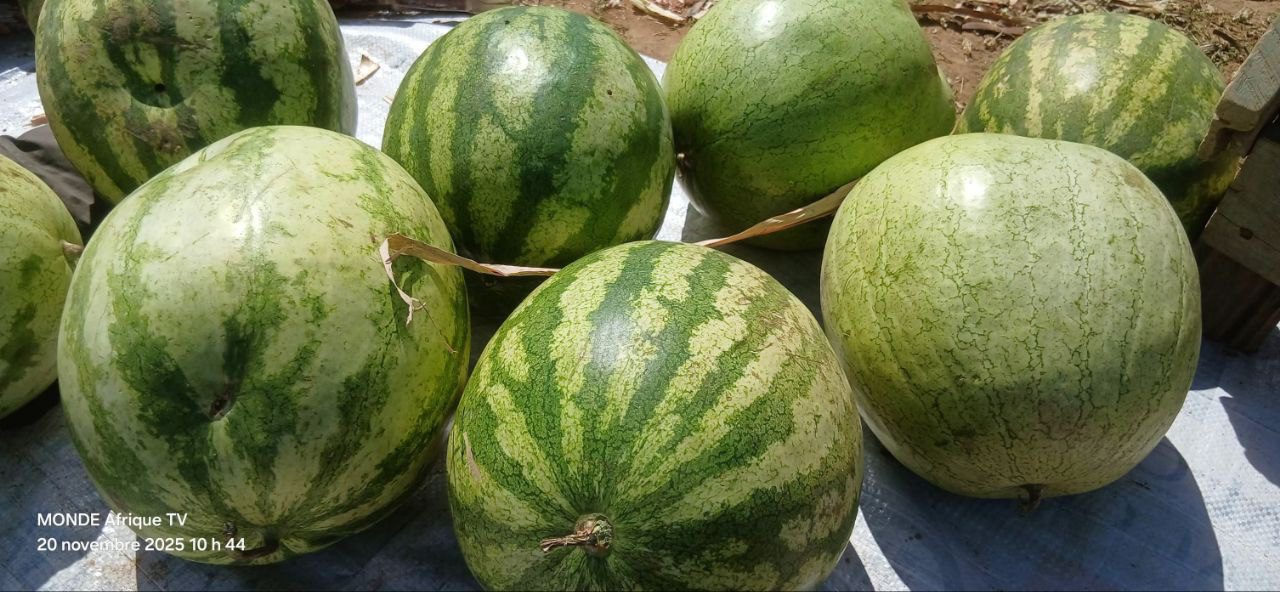
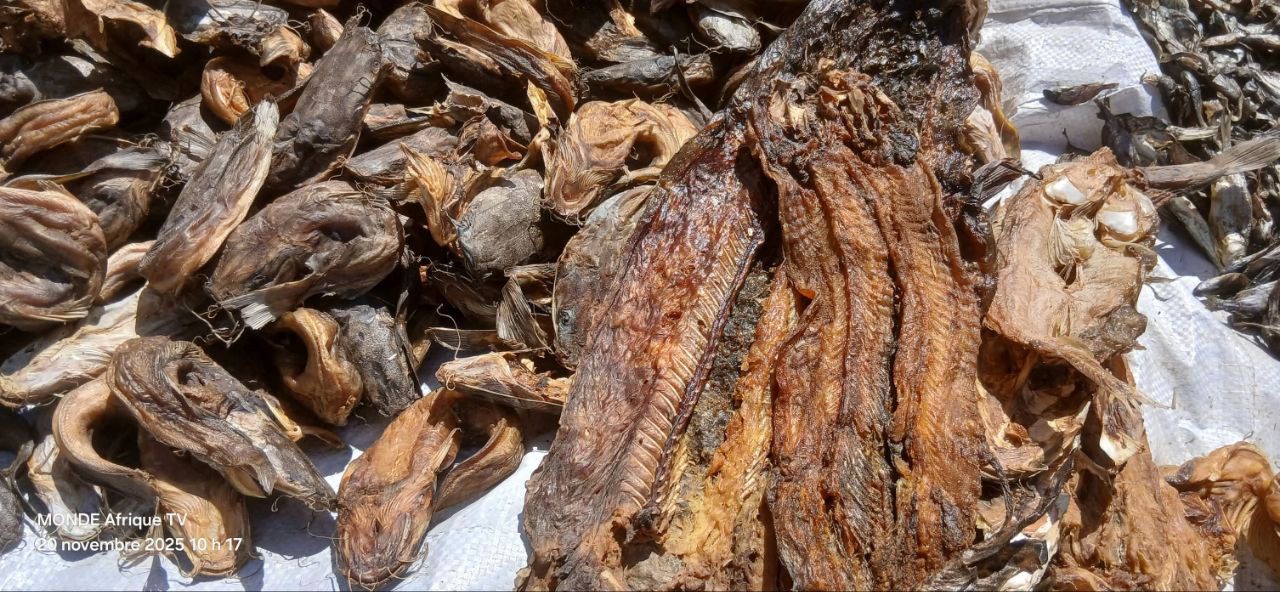
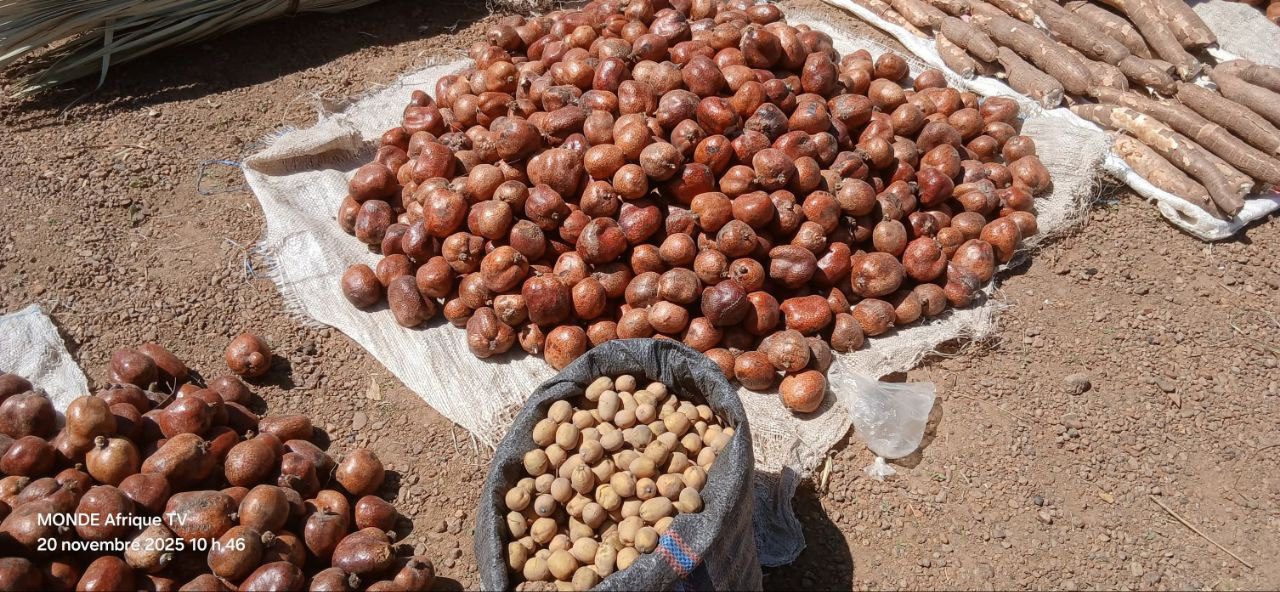
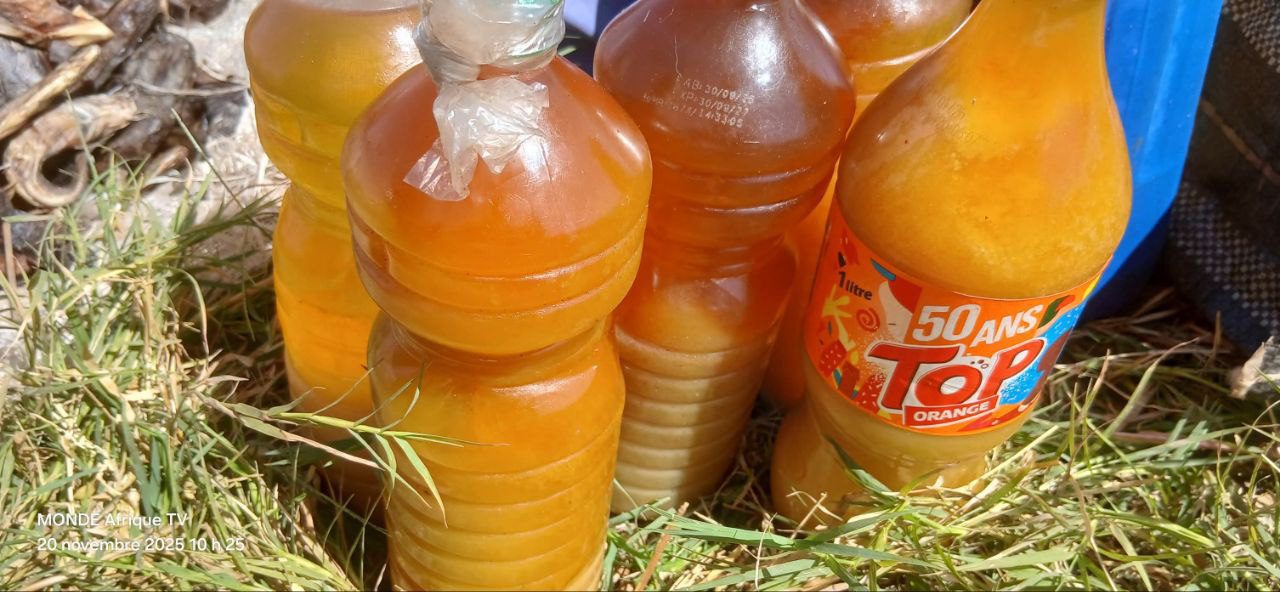
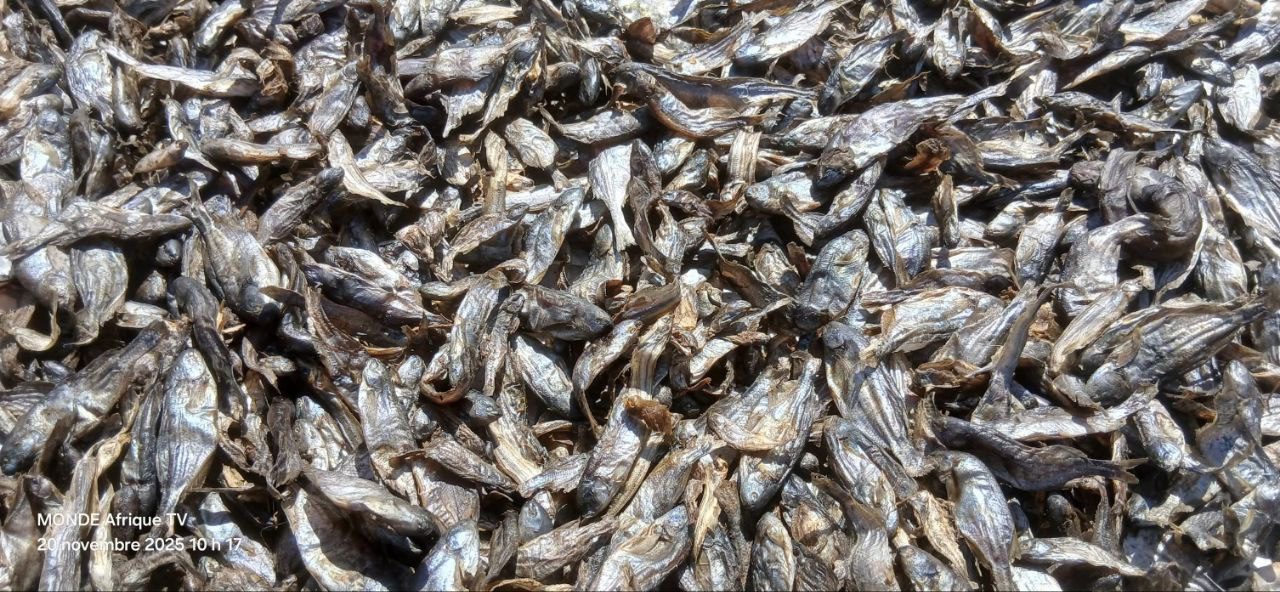
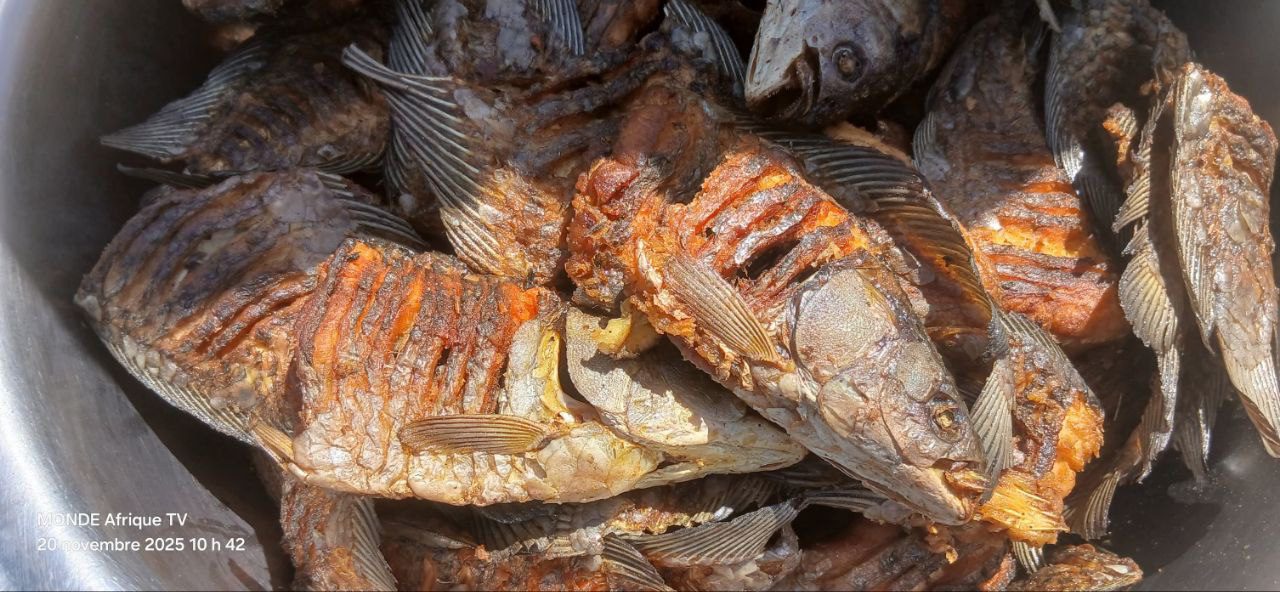
By early morning, the docks burst into color: freshly caught fish, sacks of millet, spices, vegetables, smoked fish, livestock, fabrics and more.
The shouts of traders drown out the engines, bargaining blends with greetings across borders, and business unfolds as though the heartbeat of this commercial crossroads could never be silenced.
Faces tired or anxious a moment earlier brighten with every successful transaction. Araï-Na-Abah is alive — and here, simply living is an act of resistance.

Solidarity Strengthened in the Shadow of Threat
Behind the vibrant noise lie undeniable challenges:
• Crumbling roads and difficult access routes
• The threat of sporadic attacks
• Cross-border banditry
• Constant movement of displaced populations
• Limited security presence in certain areas
Still, the market stands. Thanks to traders, transporters, canoe operators, and the watchful leadership of traditional authorities, fear does not take over.
Commerce becomes a lifeline — and a form of mutual support. People share information, warn each other of dangers, and help where they can. The market becomes more than an economic space; it becomes a place to preserve community resilience.
Where Hope Keeps Arriving by Boat
In this Far North region where life is constantly tested by insecurity, Araï-Na-Abah sends a powerful message:
As long as the canoes keep docking,
as long as stalls continue to open,
as long as voices rise above fear,
life will keep pushing forward.
Despite tensions, despite fear, despite the fragility of the moment, Araï-Na-Abah remains a crossroads where borders fade — and where, every Thursday, human determination proves that no threat can fully silence a community that refuses to give up.

