


By Tata Mbunwe
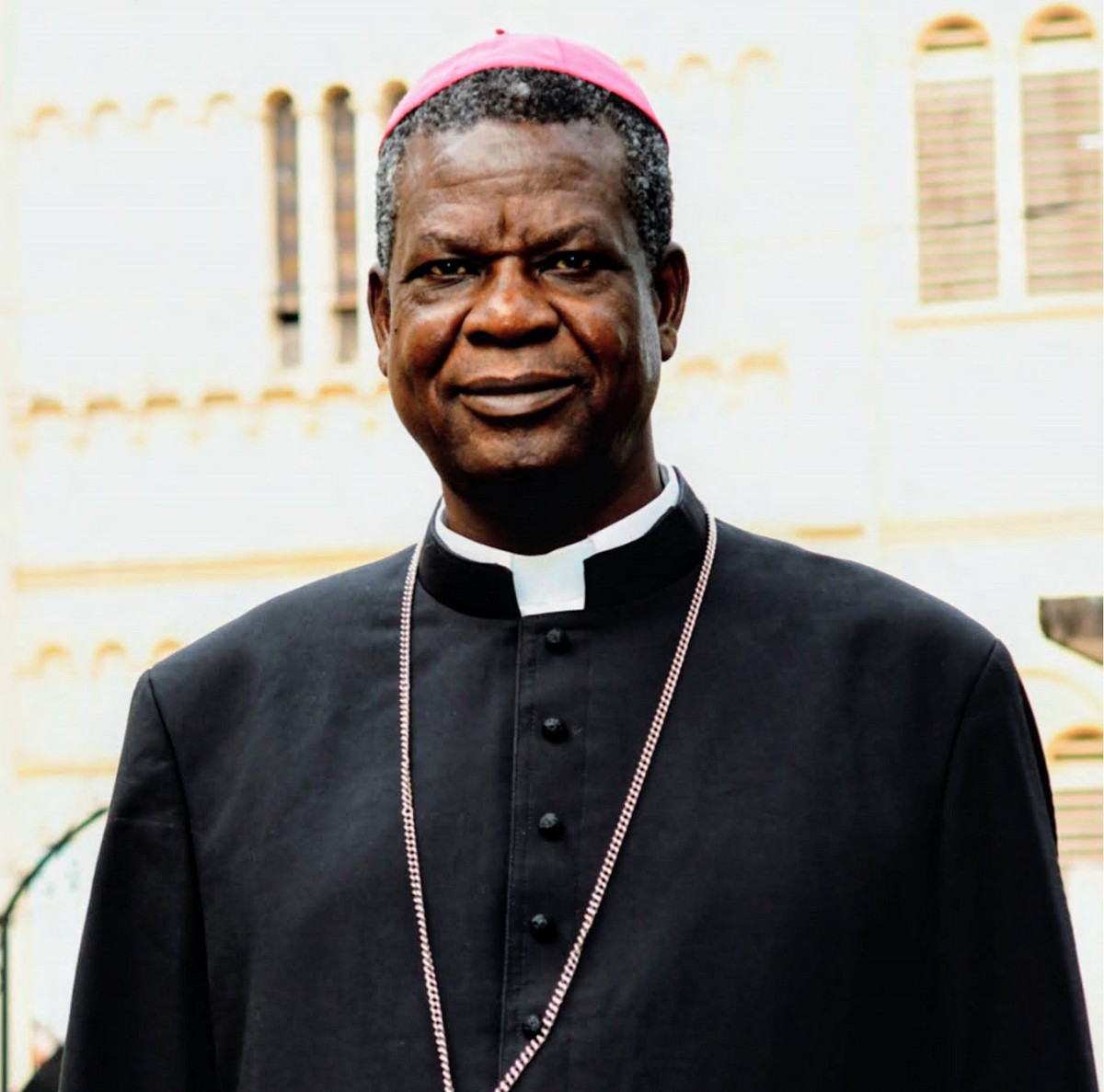
The Archbishop of Douala, His Grace Samuel Kleda, has strongly decried the deplorable conditions in Cameroon’s prisons, describing the treatment of detainees as a measure of the nation’s relationship with God.
“The way we treat prisoners is a measure of our relationship with God. Ignoring their suffering means ignoring Christ. Committing ourselves to alleviating their suffering and restoring justice means serving Christ,” the prelate said in a recent pastoral letter.
Known for his uncompromising stance on truth, Archbishop Kleda said the letter was not intended to create controversy but was “born from a sense of duty and urgent compassion.”
He said it sought to expose “the intolerable practice of abductions and solitary confinement, the degrading and abusive conditions in police stations and gendarmerie posts, the reality of the prison system, the corruption that plagues the entire judicial system, and the frequent violations of criminal procedure.”
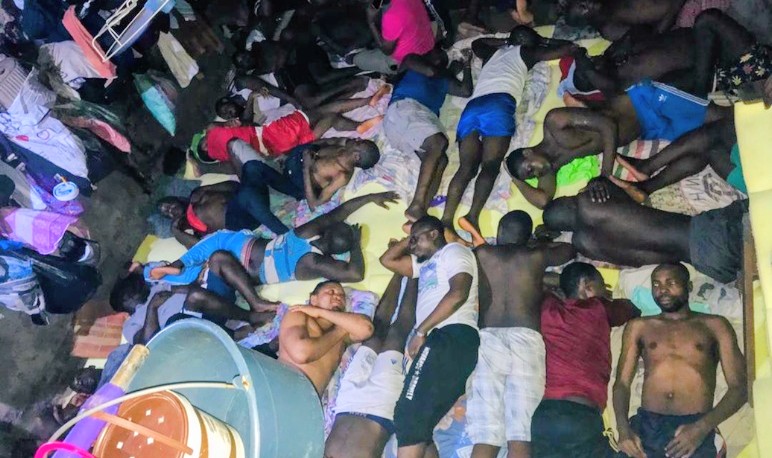
Cameroon’s prisons are chronically overcrowded, with some facilities hosting up to 500 percent of their designed capacity, according to French-based organisation Advocates Without Borders.
The situation is mainly due to prolonged pre-trial detention, which accounts for about 58 percent of prisoners, many of whom are incarcerated for years while awaiting trial.
Frequent arbitrary arrests and incommunicado detentions have also worsened the situation.
“People are arrested and abducted, often without a warrant, by officers in uniform or in civilian clothes. They simply disappear, only to be held in secret locations. Their phones are switched off and every trace of their whereabouts is erased,” Archbishop Kleda said.
He condemned incommunicado detention as a “blatant violation” of the law.
He also lamented the dire hygiene and healthcare situation in prisons, where access to water remains a luxury while women have no access to hygiene and sanitary kits.
“Contagious diseases such as tuberculosis, scabies, and typhoid spread uncontrollably. Prisoners living with HIV or diabetes see their health deteriorate rapidly because of the lack of treatment,” he said.
The Archbishop also highlighted the plight of women in detention who lack basic hygiene facilities, and noted that some are imprisoned alongside their babies.
He called on authorities to respect the dignity of detained persons and provide a dignified environment that enables them to repent and acquire skills for reintegration into society.

