


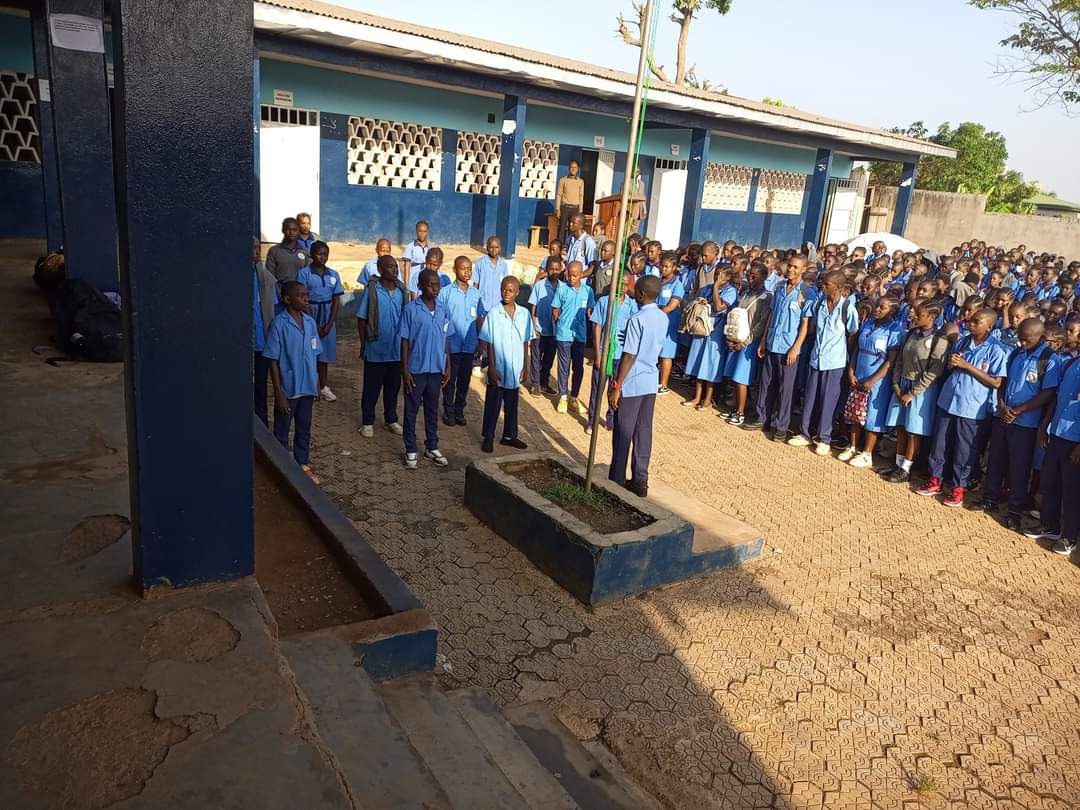
After 35 days of lockdown, Bamenda’s streets are once again buzzing with the sound of pupils and students going to schools. However, the seemingly hopeful school resumption today conceals a deeper narrative of lost rights, fear, and a generation bearing the consequences of an uncontrollable conflict.
The separatist-imposed lockdown, which paralysed parts of the North West and South West regions for more than a month, left schools shut, markets empty, and livelihoods destroyed. As classrooms reopened today, teachers and students are returning not just to lessons but also to the daunting task of catching up on four lost academic weeks.
“We’ve lost an entire month of teaching while our peers in Francophone regions have continued learning,” said Comfort, a secondary school teacher in Bamenda. “This deepens the educational divide and punishes children for a political struggle they didn’t start.” she added.
A Violation of the Right to Education
The extended lockdown highlights one of the most persistent human rights violations in Cameroon’s conflict-hit Anglophone regions: the denial of children’s right to education.
Under both Cameroon’s constitution and Article 26 of the Universal Declaration of Human Rights, every child is entitled to free and compulsory education. Yet, in Bamenda and other parts of the North West and South West regions, this right has been systematically undermined by threats, school burnings, and armed group-enforced lockdowns.
Human rights defenders say this latest shutdown represents a new low in the ongoing conflict, humanitarian organizations estimate that the lockdown has worsened food insecurity and disrupted healthcare access for thousands.
Government’s Silence and Citizens’ Fatigue
While authorities in Yaounde have been condemning the lockdown, little was done to protect the rights of affected civilians or ensure access to basic services during the period. Civil society groups argue that both state and non-state actors bear responsibility for the deteriorating human rights situation.
A Generation at Risk
Education experts warn that the repeated school closures risk producing a “lost generation” of children with weakened learning outcomes and limited future prospects.
With schools finally reopening, teachers face the urgent task of compressing lessons while learners will be forced to face very long school hours.
As the sun rose over Bamenda this morning, the sight of children walking to school symbolized resilience. But until education is truly safeguarded from politics and violence, the city’s return to normalcy remains fragile and the human rights of its youngest residents, uncertain.

