

By Tata Mbunwe
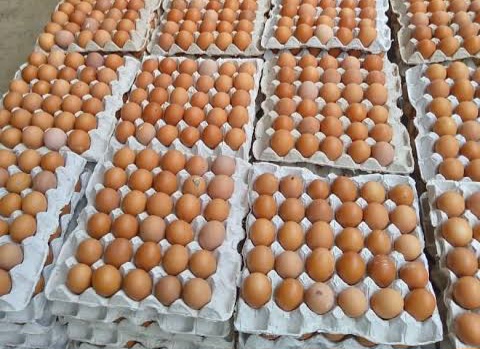
Research suggesting that eggs and chicken meant for mass consumption may be contaminated with heavy metals, antibiotic residues, and toxins has raised concern in Cameroon, with the Ministry of Public Health launching an investigation into the claim.
In a statement signed Friday, October 23, the Minister of Public Health Dr. Manaouda Malachie said his Ministry is conducting investigations to assess the potential risks associated with consuming these products.
“These investigations will make it possible to assess the extent of the situation and to determine, where necessary, the appropriate measures to be taken, in collaboration with the relevant administrations and competent bodies,” he said.
Pending the results, Dr. Manaouda urged consumers to give preference to eggs and poultry from reliable sources, clearly identified by officially recognised State services, and that comply with good hygiene, storage, and food-handling practices.
He also called on the public to remain vigilant and to report any suspicious situation that may compromise food safety and public health while reaffirming the government’s commitment to strengthening food safety and protecting consumers’ health.
The study at the center of the controversy was conducted by researchers from the University of Yaoundé I and the Institute of Medical Research and Medicinal Plant Studies.
Their research covered poultry farms in the Center, Littoral, and West regions, with samples collected from six broiler farms and six egg-laying farms.
The researchers collected 48 chickens and 180 eggs, which they combined into 18 composite samples: six muscle samples, six liver samples and six egg samples, forming the basis of the analysis that identified heavy metals in the poultry products examined.
The findings have sparked debate, with poultry industry stakeholders questioning the study’s sample size, particularly the use of 48 chickens in a country where annual poultry production is estimated to reach nearly 102 million birds in 2026.
However, the main limitation concerns the scope of the research rather than the comparison between the sample size and national production.
The Ministry’s investigations are expected to determine the extent of the contamination and inform any regulatory measures deemed necessary.