


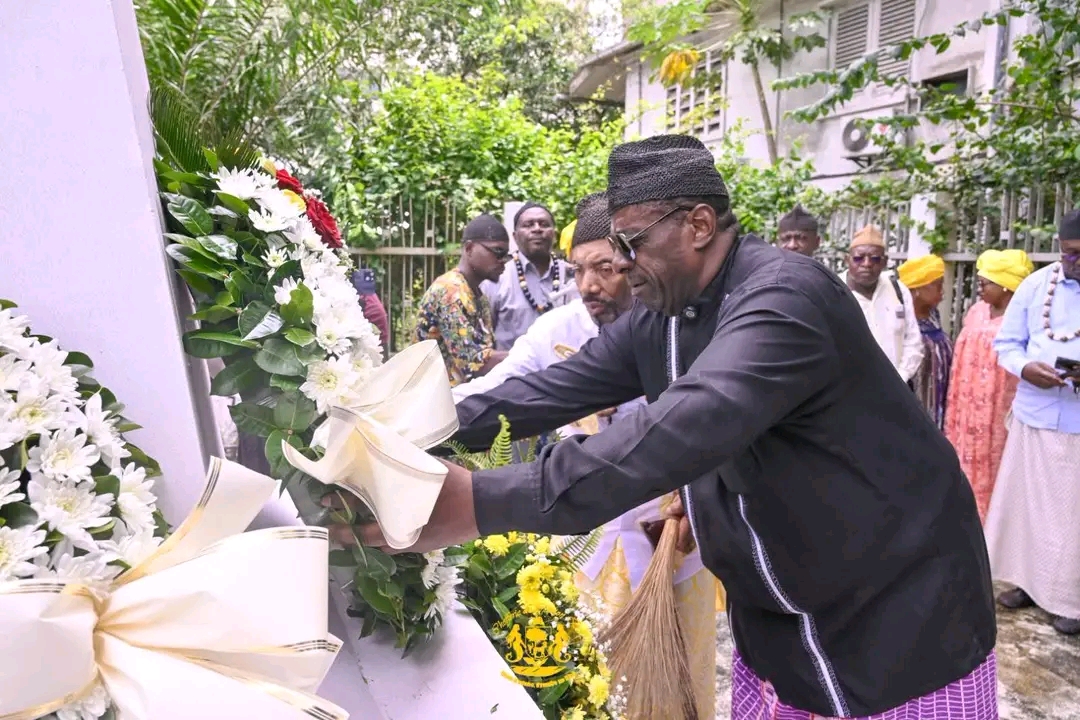
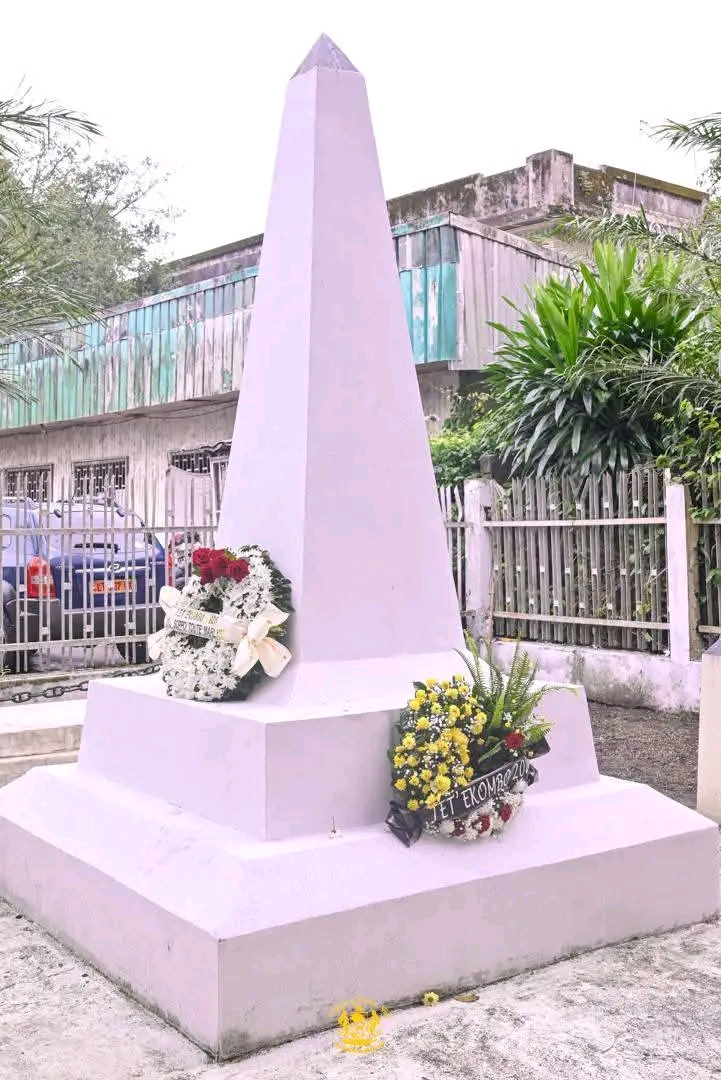
Dozens of people, including the German Ambassador to Cameroon, have commemorated the 112th anniversary of the execution of King Rudolf Duala Manga Bell, a prominent figure in the country’s anti-colonial resistance, with prayers and wreath-laying at his grave in Douala.
The memorial ceremony, held on August 8, also honoured his secretary, Adolf Ngosso Dine, who was executed alongside him on the same day in 1914 for resisting German colonial rule. Their sacrifice is remembered as a defining episode in Cameroon’s struggle against colonial domination.
The ceremony was part of Tet’Ekombo, an annual festival dedicated to commemorating Manga Bell, Ngosso Dine and other Cameroonian anti-colonialists who were killed or persecuted for opposing European rule.
King Manga Bell, one of the traditional rulers of the Duala people during the German colonial period, led a strong resistance against a German plan to relocate Duala communities living along the Wouri River to make way for European settlements.
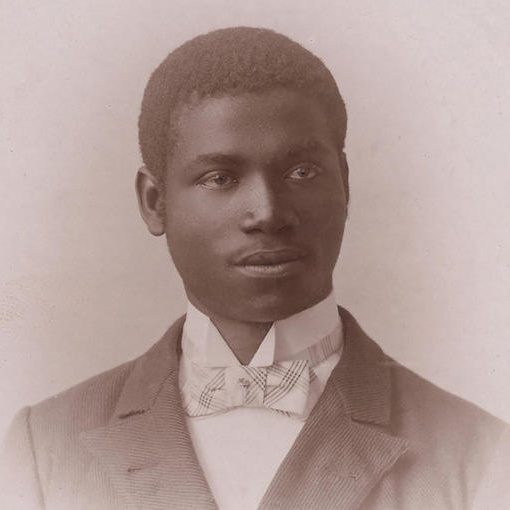
He sought support from other European governments and reached out to traditional leaders of other Cameroonian communities to resist the colonial administration. But history says the Sultan of Bamum reported him to the German administration.
He was subsequently arrested, tried and hanged for high treason on August 8, 1914.
Germany ruled Cameroon from 1884 until its defeat in the First World War, after which the territory was unevenly divided between France and Britain. The colonial period was marked by resistance from several Cameroonian kingdoms, including the Bangwa, Bakweri, Ewondo, Nso, among others.
Today, Rudolf Duala Manga Bell and Ngosso Dine are regarded as national heroes, with their resistance continuing to be remembered as a symbol of courage and sacrifice.
German Ambassador to Cameroon Christian Sedat attended the Tet’Ekombo festival and pledged Germany’s commitment to rehabilitating the image and legacy of Rudolf Duala Manga Bell.

