


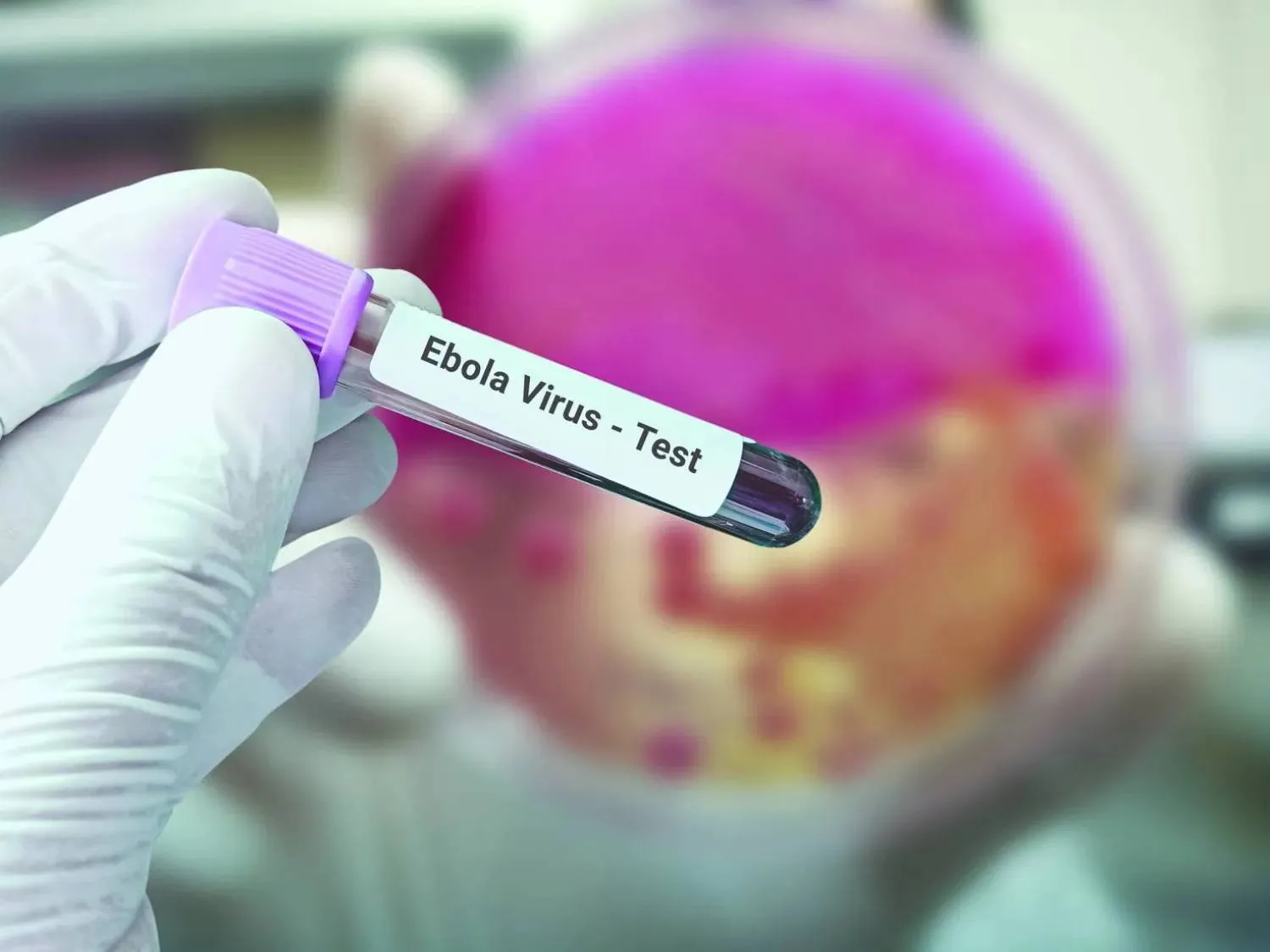
Cameroon has placed its health system on high alert and is adopting proactive measures to prevent and manage a possible Ebola outbreak after neighboring Nigeria confirmed its first case of the Bundibugyo strain of the virus on Wednesday.
The Minister of Public Health, Dr. Malachie Manaouda has announced a series of heightened surveillance and preparedness measures, including mandatory health checks at the borders and placing healthcare facilities on high alert.
According to a statement issued Wednesday, October 21, the Minister will chair an extraordinary meeting of the Strategic Committee for Health Emergencies this Thursday, October 22, in Yaoundé.
Although no cases of Ebola have been recorded in Cameroon to date, the government believes the high level of human and commercial movement between Cameroon and other countries in the sub-region calls for heightened vigilance and rigorous anticipation of health risks.
The government has mandated health screening of travelers at airports, seaports, and land border crossings and has placed healthcare facilities and rapid response teams on high alert.
Dr Manaouda said isolation sites for the potential management of cases are already being prepared while authorities are mobilising reference laboratories to ensure early diagnosis.
How Ebola Spreads and How It Is Prevented
Ebola virus disease is transmitted through direct contact with the blood, secretions, or bodily fluids of an individual who is ill with or has died from the disease, as well as through contact with contaminated objects.
Symptoms include the sudden onset of fever, accompanied by intense fatigue, headaches, muscle pain, vomiting, diarrhea, and, in some cases, bleeding.
To prevent the potential introduction of the disease, the Minister urged the public to observe essential public health measures, including:
1. Regularly washing hands with soap and running water
2. Avoiding any contact with people showing signs of the disease
3. Not handling the bodies of deceased persons in cases involving bleeding
4. Avoiding handling or consuming bushmeat and animals found dead
5. Seeking immediate care at the nearest health facility or calling the toll-free number 1510 if a fever develops within 21 days of visiting an affected country or following contact with an individual showing signs suggestive of the disease
.