


By Njoh Linda
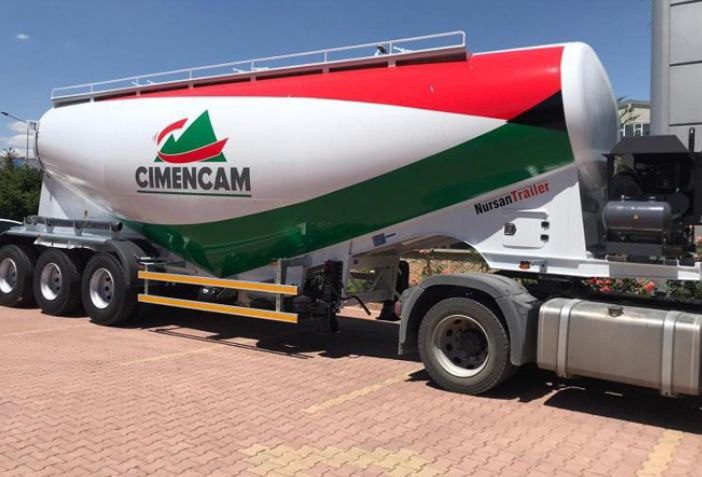
Cimencam Figuil, a major cement production facility in northern Cameroon, has suspended its operations due to electricity shortages, underscoring the deepening energy crisis affecting the country’s northern power network.
In a communique dated June 2, 2026, the company informed clients of an indefinite suspension of activities at its Figuil site following electricity supply restrictions imposed by the public electricity concessionaire, Socadel.
The decision has resulted in a complete shutdown of clinker and cement production at the plant, which had only recently been commissioned.
The shutdown marks a significant milestone in the worsening energy situation, as Cimencam Figuil becomes the first large-scale industrial facility to be officially “removed” from the Northern Interconnected Grid.
Hydropower Constraints at the Heart of the Crisis
The disruption is rooted in upstream limitations at the system’s main power source, the Lagdo hydropower facility. The dam’s output has been constrained by declining water reserves, rather than technical failure.
Although its generating units are reported to be operational, the reservoir has remained under pressure since reaching its saturation threshold in 2015.
During periods of low rainfall, grid operators are forced to prioritize household supply and system stability, often at the expense of industrial consumers.
In some cases, load-shedding agreements have been used to temporarily reduce industrial consumption.
However, in Cimencam Figuil’s case, the adjustment has escalated into a full production halt.
Rising Demand, Limited Capacity
The Northern Interconnected Grid continues to face growing pressure as electricity demand expands rapidly.
The system currently serves approximately 250,000 low and medium voltage customers, with demand reportedly increasing by 10 to 12 percent annually.
Installed capacity has more than doubled over the past decade, rising from 76 MW in 2015 to 172 MW in 2026.
This expansion has relied on a mix of hydroelectric, thermal, and solar generation sources.
However, dependence on hydropower from Lagdo remains a critical vulnerability, meaning supply instability persists whenever water levels decline.
Planned infrastructure projects, including solar expansions in Maroua and Guider, the Bini à Warack hybrid project, interconnection between the southern and northern grids, and rehabilitation efforts at Lagdo are expected to improve resilience.
Yet these initiatives remain medium- to long-term solutions and do not address the immediate disruption facing industrial operators.
A 50 Billion FCFA Investment Under Strain
The suspension is particularly significant given the scale of investment in the Figuil cement plant, estimated at around 50 billion FCFA.
The facility was designed to produce up to 500,000 tonnes of cement annually and 1,000 tonnes of clinker per day, aiming to strengthen supply in Cameroon’s northern markets and potentially support exports to neighbouring Chad.
For energy-intensive industries such as cement production, electricity stability is a critical factor in determining operational viability, cost efficiency, and contractual reliability. The prolonged shutdown raises concerns about the sustainability of industrial expansion in regions where power supply remains structurally constrained.
Warning Signal for Industrial Investors
Beyond immediate production losses, the shutdown sends a broader signal about investment risk in northern Cameroon.
The instability of the Northern Interconnected Grid is no longer viewed as a purely domestic service issue but as a direct threat to industrial growth, employment, and regional economic competitiveness.
The current crisis highlights a widening gap between Cameroon’s industrial ambitions and the reliability of its energy infrastructure.

