


By Basirou BDO
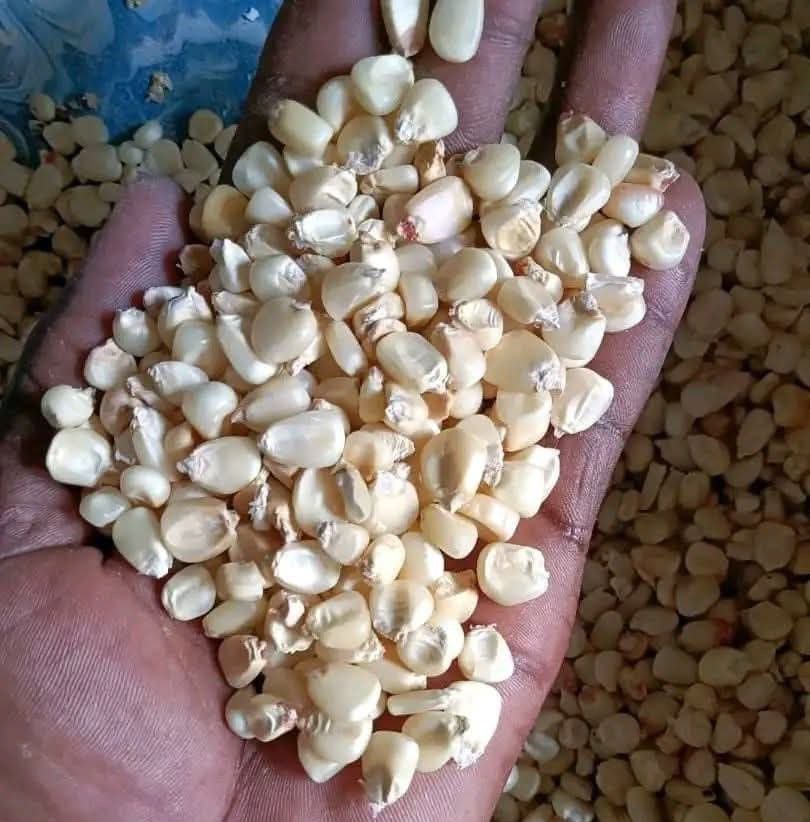
In Cameroon’s northern region, the farming season has turned into a nightmare. Corn, a dietary staple and the main source of rural income, has become almost worthless on the markets.
In just one year, the price per bag has collapsed, dropping from about 17,000 francs CFA to 8,000–10,000 francs.
The sharp decline is strangling producers, who are already weakened by the whims of the climate.
Several farmers are waiting for government support to improve their working conditions, which are already paralyzed.
Climate Change: The Double Burden
In the face of prolonged droughts and depleted soils, farmers are producing at the cost of heavy sacrifices, with no guarantee of stable harvests or decent income.
The cost of inputs is skyrocketing, while yields remain uncertain.
Farmers with Their Backs Against the Wall
Production costs are spiraling out of control, from fertilizer to labor, with inputs scarce and inaccessible for smallholders.
Farmers lack technical support to adapt to new climate realities, coupled with the disorganized nature of the market, with no floor price or protection for producers.
Severe lack of storage has also forced rushed sales at rock-bottom prices, as agricultural debts pile up, threatening the survival of family farms.
The Urgency is Total
In villages, anger and discouragement are spreading. Farmers in the North are sounding the alarm: without strong measures to regulate prices, reduce the cost of inputs, and support climate adaptation, the entire rural world risks suffocation.
Corn no longer feeds its grower, and the agricultural crisis is settling in for the long term.

