


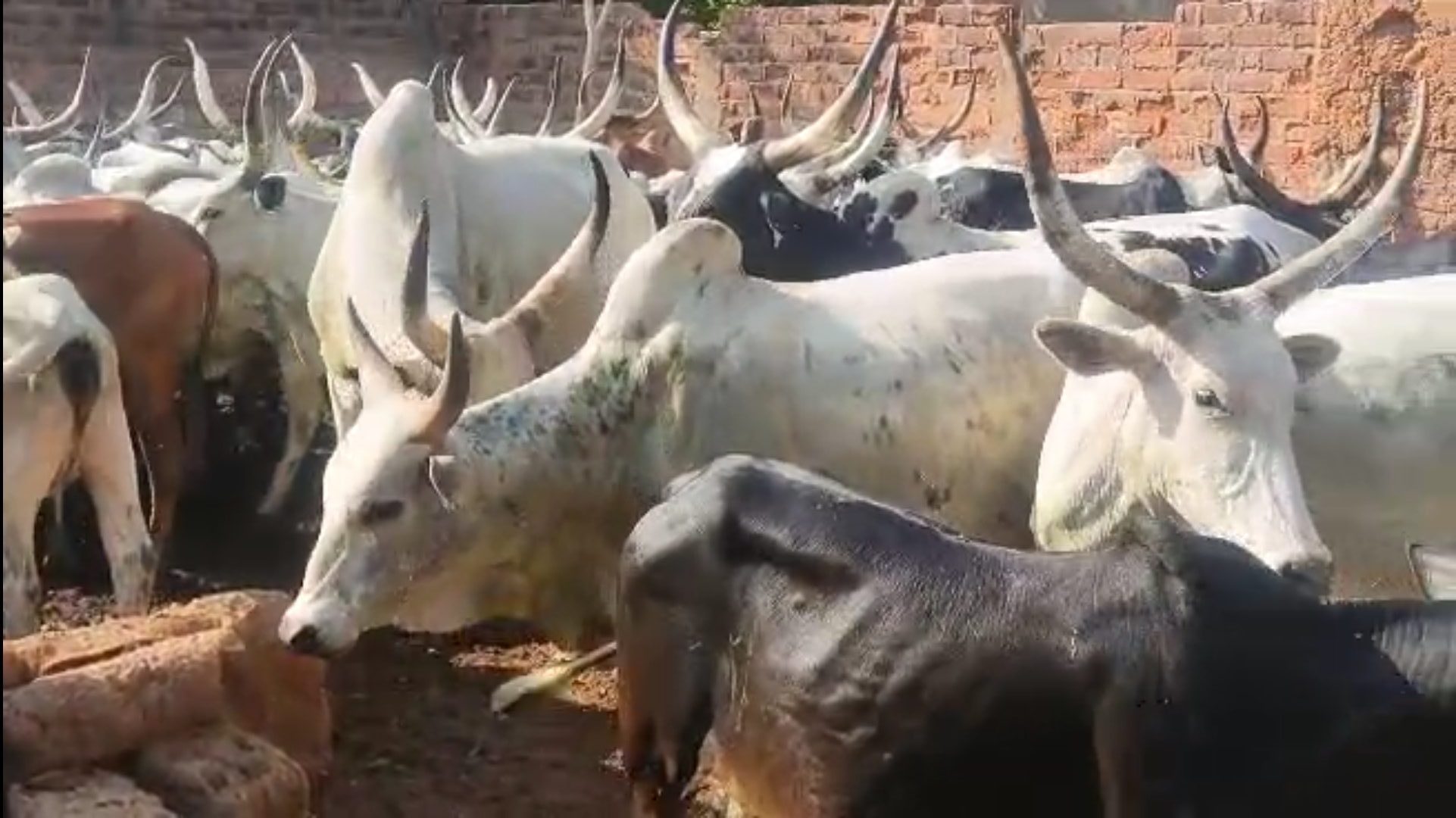
For over a decade, the Far North region of Cameroon has been plagued by the violence of the Boko Haram insurgency. Beyond the heartbreaking human toll, the economic damage has been staggering. Livestock farmers and cattle traders have been particularly affected. These often-overlooked victims of the conflict are now facing complete financial ruin.
Boko Haram Targeting Cattle Herders
In Gazawa, a small village in the Diamaré division, the scars of repeated attacks remain visible. Just like in other areas of Logone-et-Chari, Mayo-Sava, and Mayo-Tsanaga, Boko Haram’s targeted raids on cattle herds have caused a severe economic hemorrhage. Thousands of cattle have been stolen during night-time raids, leaving families with no means of livelihood.
“They came at night, armed and determined. My husband was killed on the spot. They opened the pens and left with all our cattle,”
shares a grieving widow from Gazawa.
Over the years, such attacks have become more frequent and indiscriminate, impacting herders, traders, and farmers alike. Some victims have managed to recover a few animals, intercepted from criminals attempting to traffic them across borders. But for most, the loss is permanent.
Economic Impact on Rural Communities
The economic impact is colossal. Although obtaining exact figures is challenging, estimates place losses at several hundred million CFA francs. Once-thriving livestock markets now lie nearly deserted. Families that once enjoyed financial stability now face extreme poverty, relying on humanitarian aid or migrating in search of safety and survival.
In the plains of Logone-et-Chari and the highlands of Mayo-Tsanaga, the stories are the same: slaughtered herds, grieving families, and a constant fear of the next attack.
Continued insecurity has grounded the local economy, which historically relied on livestock breeding and cattle trade.
“Those animals were our bank. Without them, it’s misery,”
laments an elderly trader from Mora.
Calls for Government Action and Compensation
As the livestock sector continues to suffer, calls are growing louder for increased security in pastoral zones and compensation for affected cattle farmers. Without urgent intervention, a critical pillar of the Far North’s rural economy will remain grounded.
Ensuring the safety of livestock herders and restoring trust in the cattle trade are essential steps toward rebuilding the region’s economy and stability. Until then, thousands remain vulnerable—not just to violence, but to the long-lasting consequences of economic destruction.

