

In the digital era, a single post on Facebook, X (formerly Twitter), or a short video on TikTok can quickly shape public opinion, making media regulation more critical than ever.
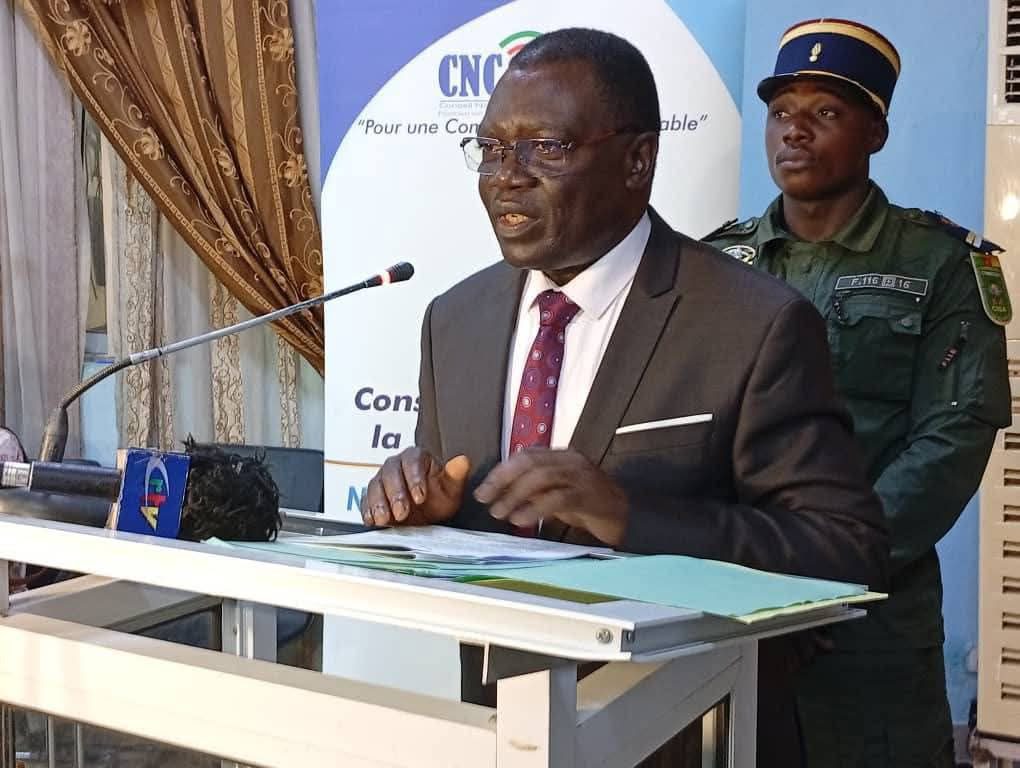
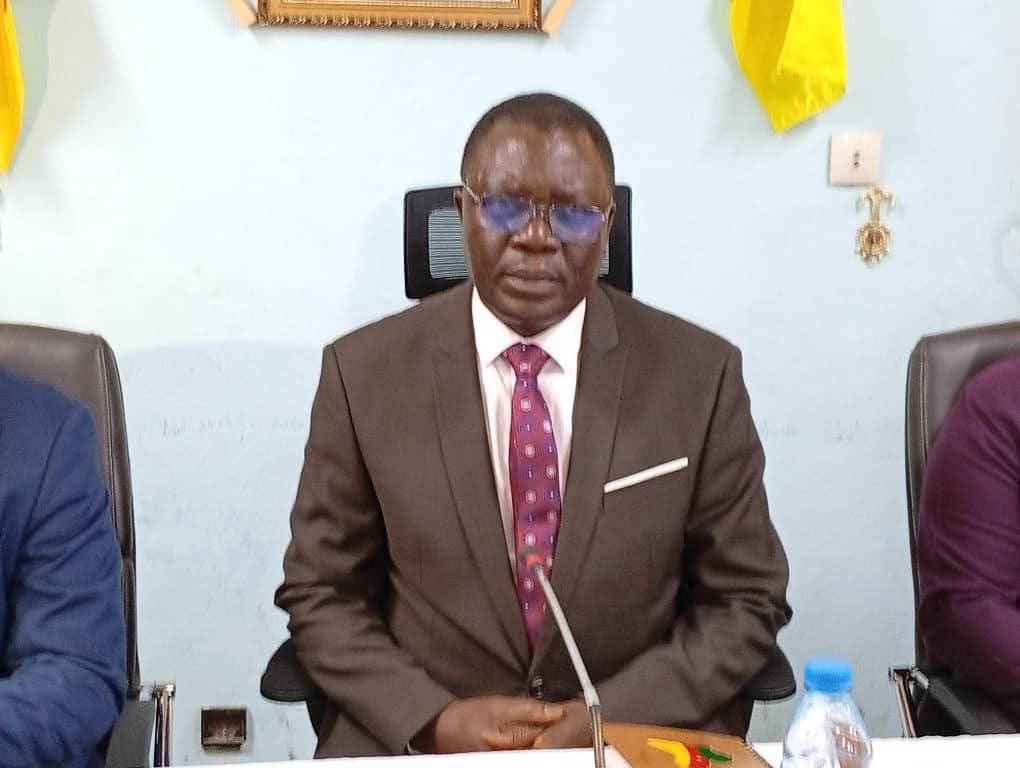
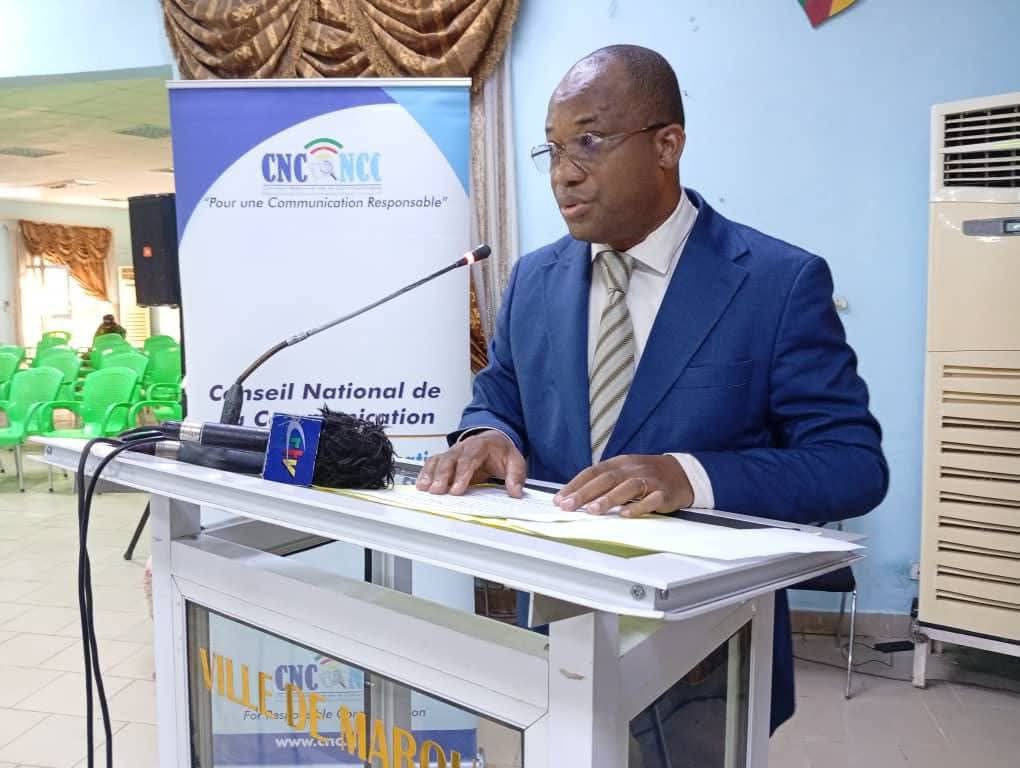
Yesterday afternoon, the city of Maroua hosted a key discussion on this topic, led by Joseph Tchebongkeng Kalabuksu, President of the National Communication Council (CNC). The meeting aimed to remind information actors that their responsibilities now extend far beyond traditional newspapers and microphones.
Broad Participation Across Media Platforms
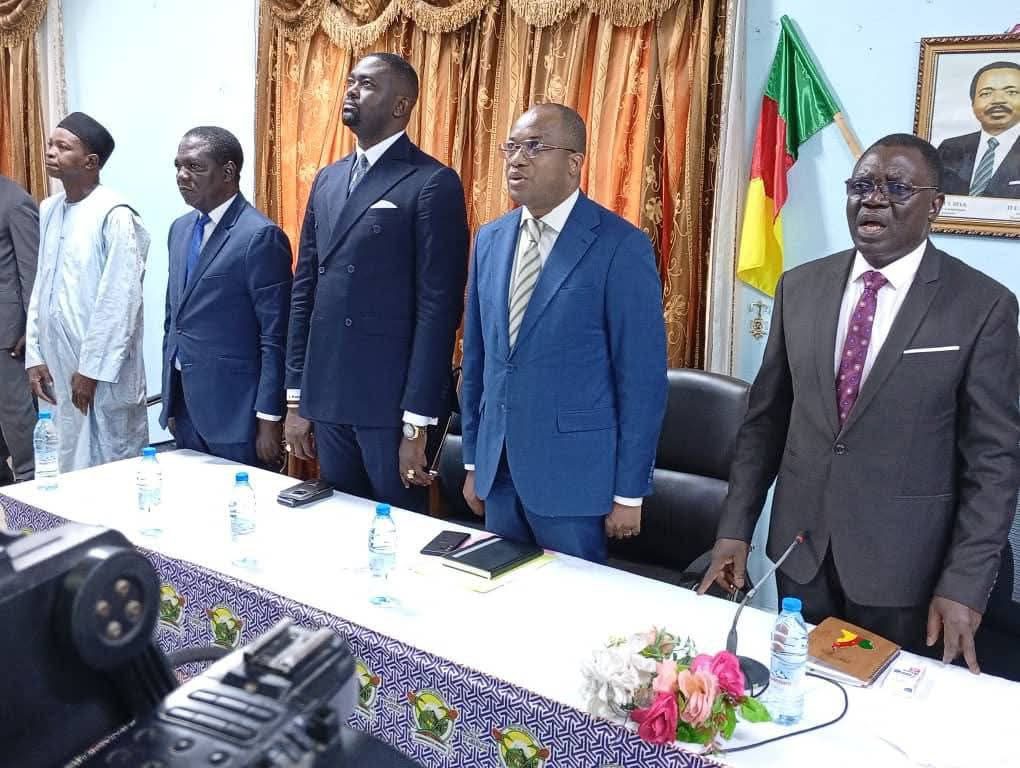
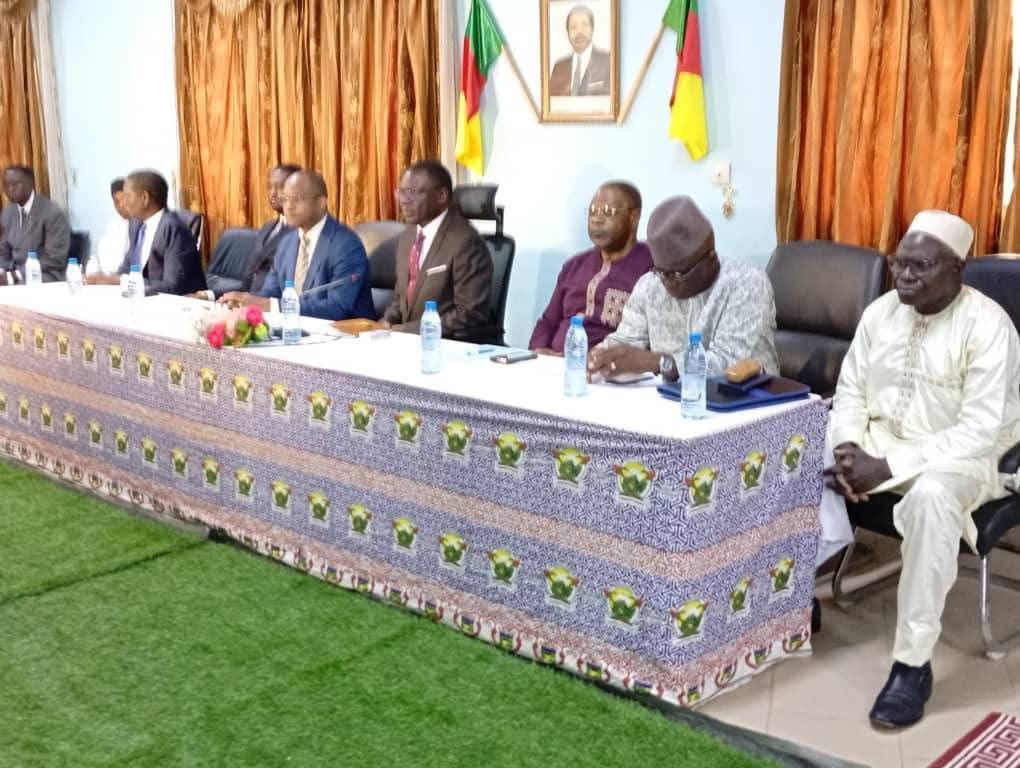
The event, held at the Cercle Municipal of the City Hall, brought together a diverse group of participants: print journalists, community radio hosts, local TV executives, bloggers, social media influencers, and administrators of digital groups.
“Everyone here contributes to shaping public debate, particularly as critical elections approach,” Kalabuksu said.
The Mayor of Maroua and a representative of the regional governor emphasized the importance of collective engagement in maintaining a stable media environment.
Addressing the Spread of Misinformation
Central to the discussion were issues such as the proliferation of fake news, the increasingly blurred line between personal opinion and verified information, and the role of social networks as amplifiers of rumors or manipulated content.
Kalabuksu stressed the need for responsible journalism, noting:
“Freedom of expression is a precious democratic achievement. But it comes with a requirement: truthfulness and respect for journalistic ethics. Just because content goes viral does not make it true.”

Media Responsibility in a Sensitive Region
In the Far North region, where information can have significant social and political effects, the CNC president highlighted the importance of combining rigor and responsibility, particularly during election periods.
“Our goal is to maintain the credibility of information and preserve citizens’ trust,” he added.
With the official start of the electoral campaign approaching, Maroua has become a platform for unprecedented dialogue between regulators, journalists, and digital actors, emphasizing that social responsibility in media is crucial beyond the tools used—whether keyboards, microphones, or cameras.
Outlook for Media Regulation
The meeting signals a growing collective awareness that maintaining ethical standards and verifying information are essential to public trust and social stability. Authorities and media actors alike recognize that navigating the challenges posed by social networks is now a central aspect of modern media regulation in Cameroon.

