


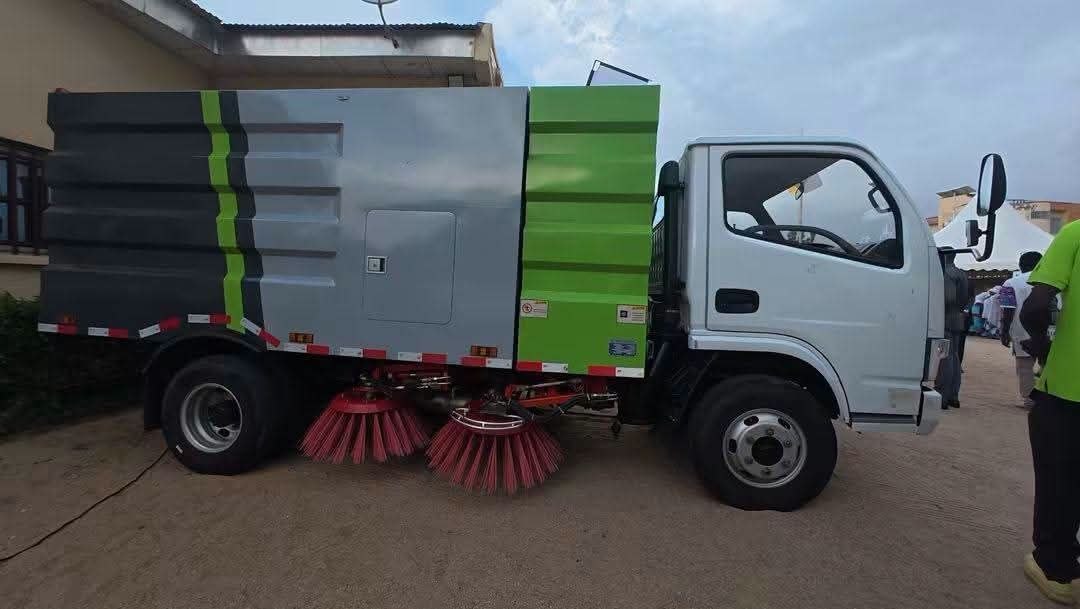
The fight against insanitary conditions in Maroua is taking a new step with the arrival of a mechanical sweeper in the city.
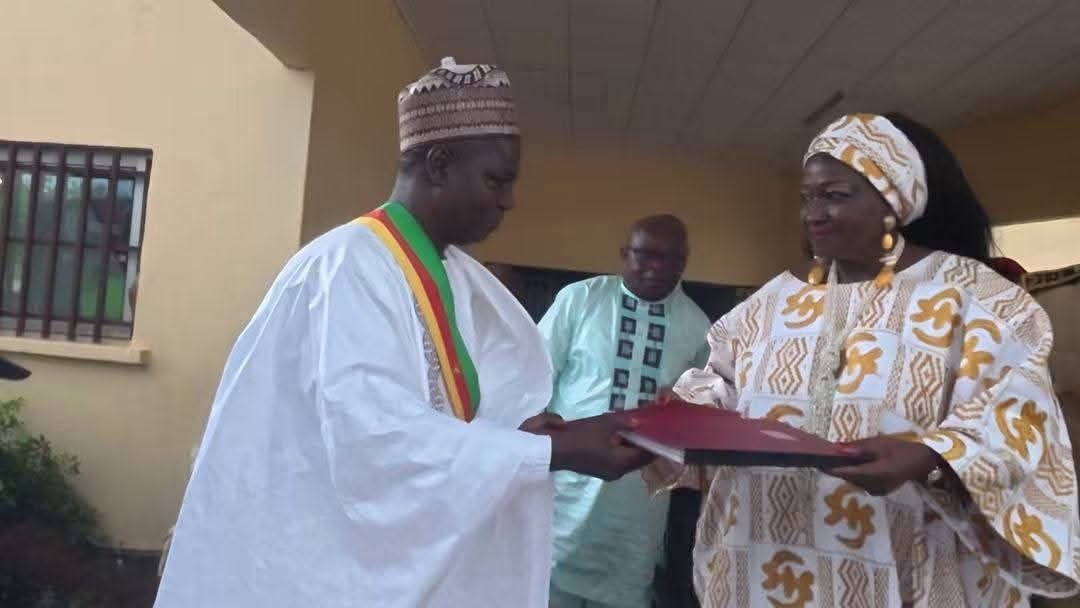
The equipment, handed over during Habitat Week by Célestine Ketcha Courtès, Minister of Housing and Urban Development, is expected to help improve the maintenance of main roads and public spaces.
But behind this donation lies an essential question: can a mechanical sweeper alone address the problem of insanitary conditions that persists in several neighbourhoods of Maroua?
In a city facing growing urbanisation, accumulating waste, and difficulties in its collection and treatment, the challenges go far beyond simply sweeping the streets.
Residents continue to live daily with rubbish, illegal dumping sites, and the consequences of an environment that is sometimes difficult to sanitise.
For residents, the challenge now is to see this new machine produce concrete and regular results on the ground. Because beyond acquiring the equipment, questions arise about its use, maintenance, the frequency of cleaning operations, and the organisation of the entire waste management chain.
Tackling insanitary conditions also requires the involvement of local authorities, residents, and the various stakeholders responsible for sanitation.
Awareness-raising, regular collection, treatment, and recovery of waste remain major challenges.
The transformation of waste into compost, energy, or other recoverable products, mentioned by the Minister, certainly opens up prospects. But for residents, the urgency remains visible in the streets and neighbourhoods: to live in a clean, sanitary city, durably rid of waste.
The sweeper is therefore an additional tool. It cannot, on its own, solve the problem of insanitary conditions in Maroua.
The real challenge now is to transform this donation into a sustainable sanitation strategy, capable of concretely improving residents’ living environment.

