



In Mogode, the day begins and ends with the same obsession: water. In these mountains of Mayo-Tsanaga in Far North Cameroon, drinking is not an ordinary act—it is a daily challenge.
Here, every drop is earned, every container of water is wrested from fatigue, time, and pain.
The terrain shows no mercy. The rock is hard, relentless, and unforgiving, making every attempt at drilling uncertain, sometimes futile.
Despite initiatives by the municipality and support from its partners, water remains scarce, and thirst is ever-present.
Boreholes, once symbols of hope, now yield nothing. Some are abandoned, others on the brink of failure.
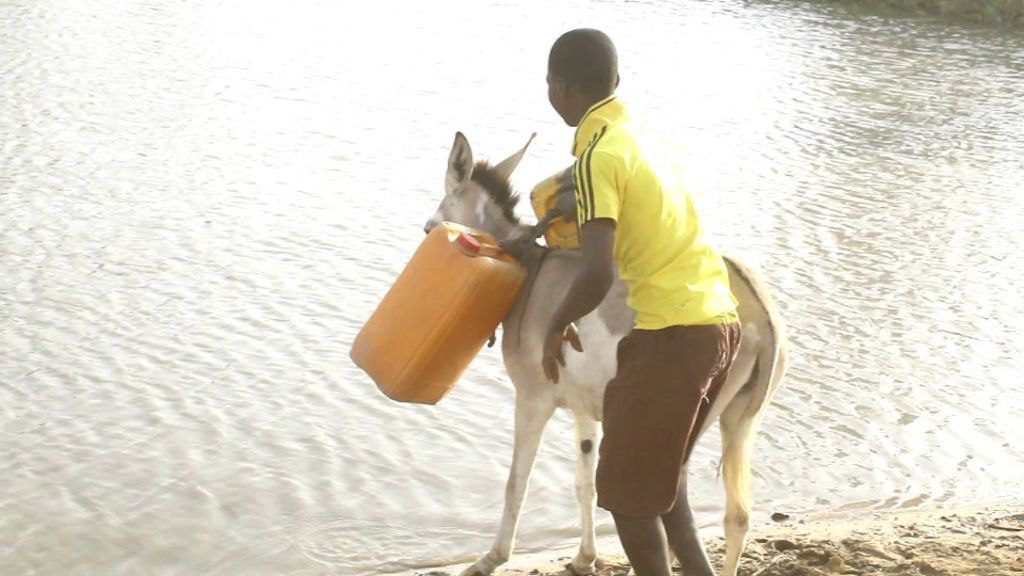
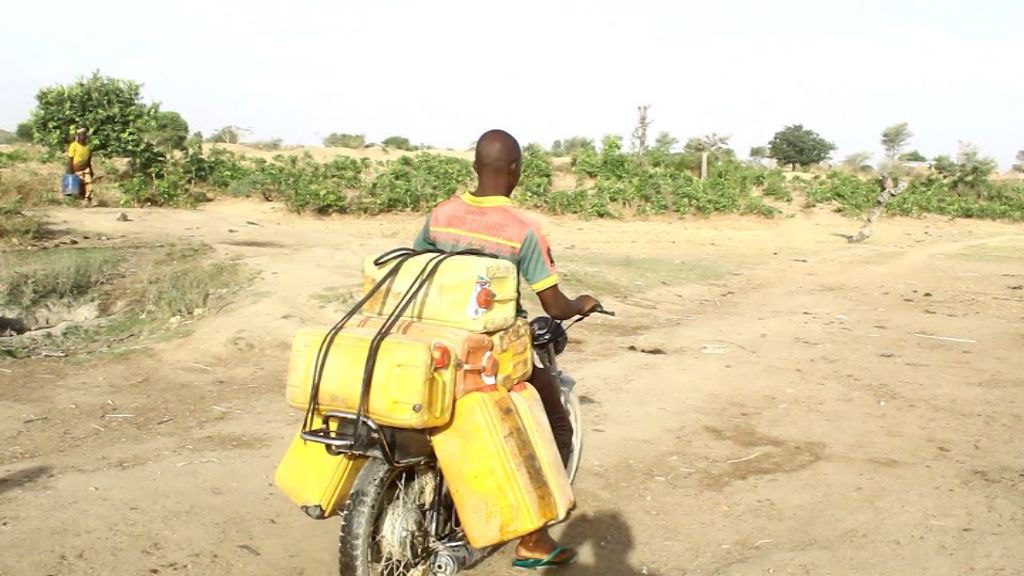
So people walk for a long time, for long distances on foot, by motorcycle, or by donkey. Kilometers swallowed under the sun to bring back just enough to survive.
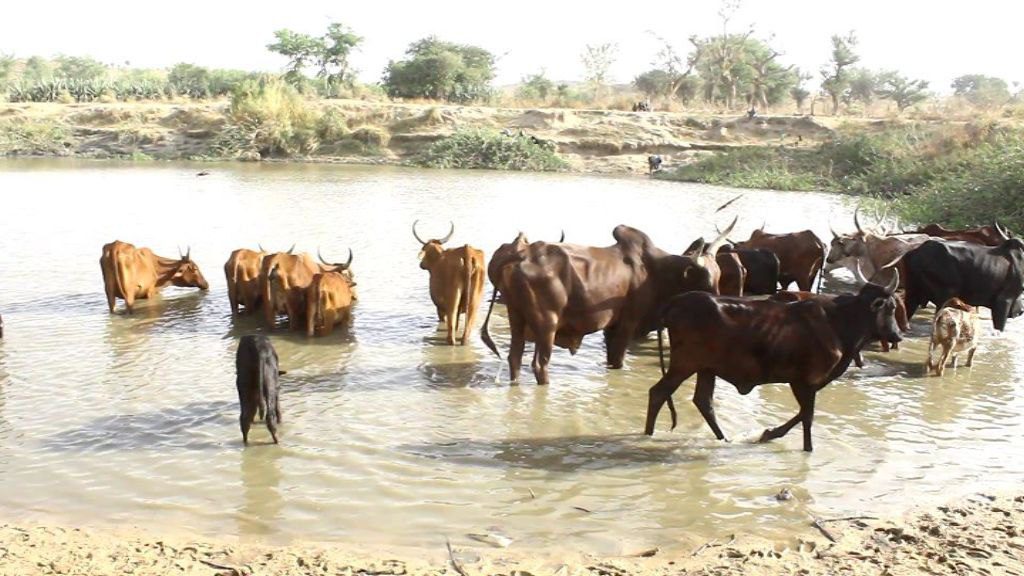
The distress does not end at the thresholds of their homes. In the pastures, livestock also struggles to survive, wandering from hills to valleys in search of a trickle of water. The competition for this vital resource becomes silent but fierce, threatening livestock rearing and already meager livelihoods.
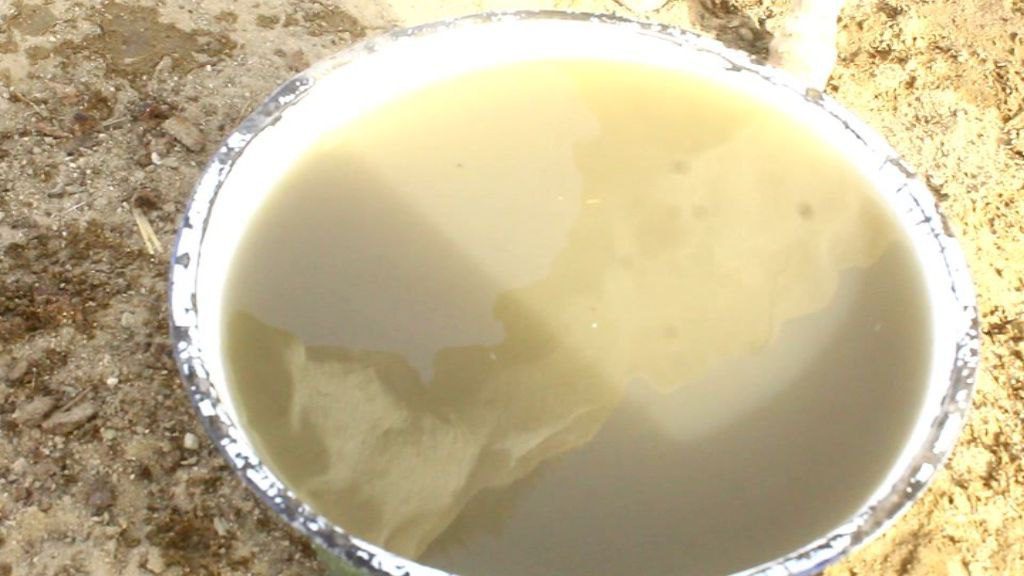
With no other choice, some families resort to questionable, often unsanitary water. Water that fuels fear of disease as much as it quenches thirst. Water that endangers health in an already fragile region.
From Rhumzou to Sir, passing through Vité, the picture is the same: shortage is everywhere. Thirst dictates the rhythm of life, slows down activities, deepens hardship, and weighs heaviest on women and children, who are condemned to the daily chore.
In Mogodé, water is no longer just a natural resource. It has become an ordeal, a fight for dignity, a right that many are still waiting for.

