



By Tata Mbunwe
A Cameroonian resident in the Netherlands has accused embassy officials of enrolling citizens on the voter register without their knowledge and pressuring them to vote for the ruling Cameroon People’s Democratic Movement (CPDM).
The claims coming on the eve of Cameroon’s 2025 presidential election, add to a history of alleged electoral manipulations by the ruling party, which have long undermined trust in the country’s electoral process.
The source, who requested anonymity due to fears of reprisal, alleged that her travel information was used to add her to the voter list during a consular visit for passport renewal.
“We didn’t register to vote, but they included our names on the list,” she told MMI.
“So that’s what they are doing. They are using people who are not even aware they have registered on the voter’s list. 90 percent of those people are not aware, some are not around and some have different nationalities—German nationality, Belgian nationality, Dutch nationality and the others are not around. So they want to use the votes for themselves,” she added.
The source further claimed that embassy authorities have contacted her, coercing her to vote for the CPDM.
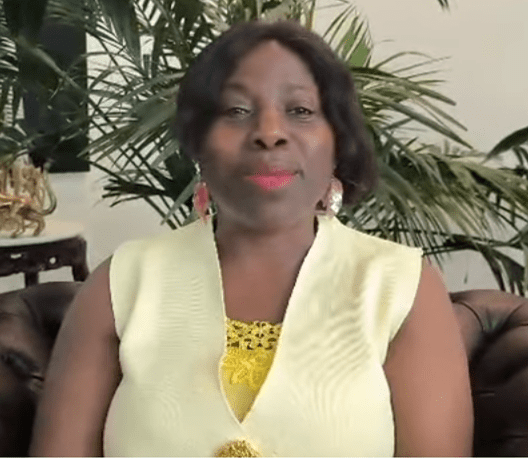
She believes only CPDM ballots will be made available at the embassy, which also serves Luxembourg and is headed by HE Liguemoh Ondoua Madeleine, appointed in 2020.
“It appears only the CPDM’s ballot papers are here. The other candidates’ ballot are not there. If other candidates’ ballots were there we would go and vote since our names are on the list.”
The source estimated that less than 5 percent of the 238 registered voters in the Netherlands actually wish to vote on October 12, which is just hours away.
“Most of those on the electoral list don’t even live in The Netherlands. Some have gone back to Cameroon, others are in Germany. Some are in France and Belgium,” she told MMI.
“Some of us who went to request for a nationality, they convinced us to make a consulate card… Most of those names on the voter’s list are names of people who went to do a Cameroonian passport or those who went for a visa or consulate card.”
According to official statistics, a total of 34,411 Cameroonians in the diaspora have registered out of 8,010,464 registered voters this year.
Among the 12 presidential contestants is Paul Biya, who has ruled the Central African nation for 42 years and is 92 years old.
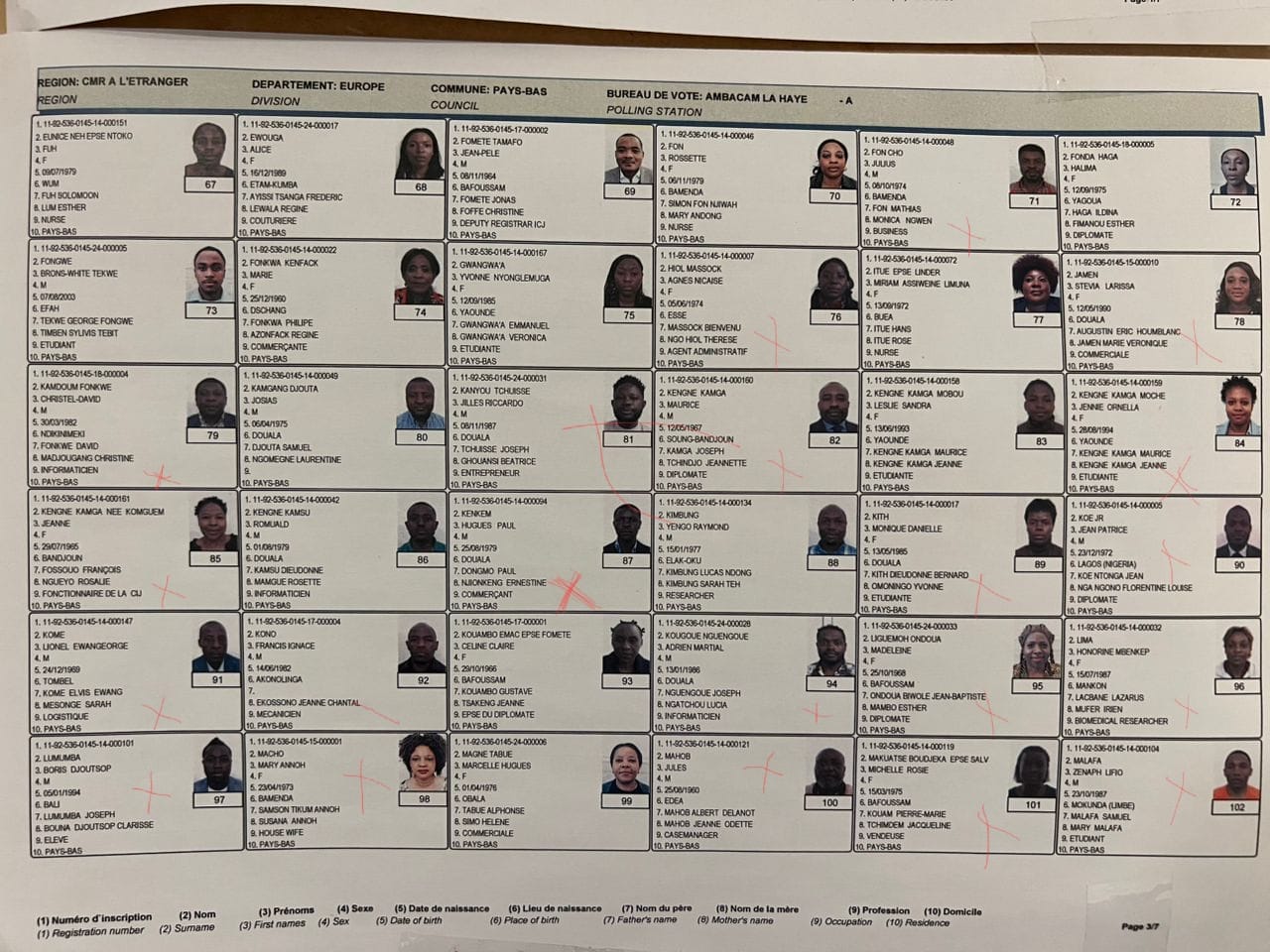
Little momentum appears to be building in the diaspora on the eve of the election.
The government’s controversial single nationality policy, which requires dual citizens to renounce foreign passports, has limited diaspora participation, barring millions abroad from voting and fueling perceptions of disenfranchisement.
Analysts argue this policy, combined with opaque registration processes, enables manipulation, as seen in past elections where high turnout in CPDM strongholds raised red flags.
Some of the election candidates, including Joshua Osih , Issa Tchiroma Bakary, Bello Bouba Maigari and Cabral Libii, are promising to institute dual nationality and open up Cameroon to the diaspora.
At home, the temperament is mixed between those who yearn for change and regime pundits who want to maintain the status quo.
Although the opposition remains largely divided, many young people have been rallying behind Issa Tchiroma Bakary, a former minister who resigned in July to run independently.
Tchiroma has drawn strong support through nationwide rallies, with many analysts defining him as Biya’s strongest challenger in this election.
The 2025 race has seen heightened scrutiny from the opposition who accuse the ruling party of unfair play, including barring access to campaign venues for some opposition figures.
Former presidential candidate Edith Kah Walla, in a recent citizen statement, decried ELECAM’s failure to publish the full voter register and anomalies like deceased voters and minors listed, in violation of Article 80 of the Electoral Code.
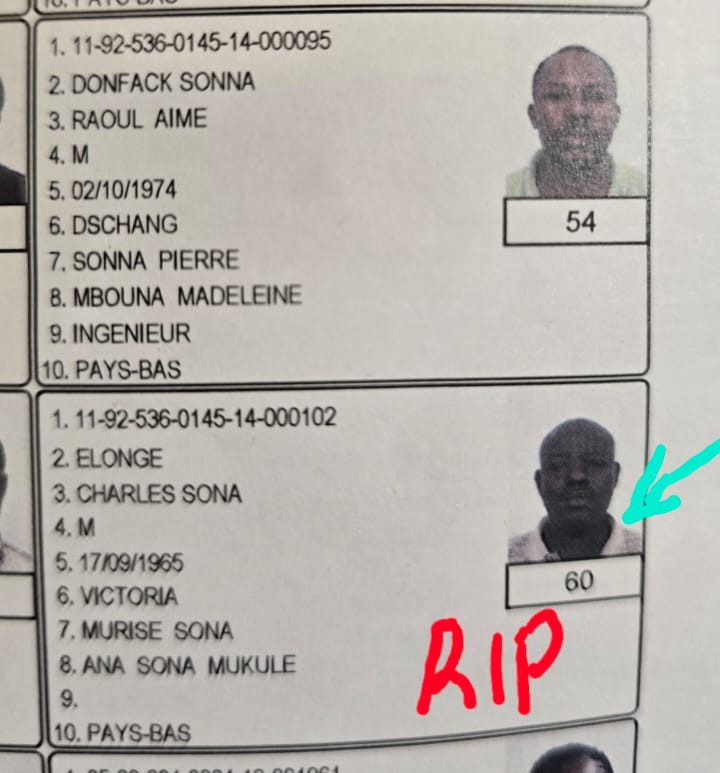
Our source in the Netherlands identified several individuals on the list whom she said had left the country years ago or even passed away, including one who died about five years ago. MMI could not independently verify these.
However, the allegations echo a long history of electoral fraud claims in Cameroon, dating back to the 1992 presidential election, which is widely believed to have been won by Ni John Fru Ndi, the late charismatic leader of the Social Democratic Front (SDF) party.
The 2018 vote was also marred by controversy, after Maurice Kamto of the Cameroon Renaissance Movement, contested results that gave President Paul Biya 71 percent of the vote.
Kamto, who was barred from participating in this year’s election, had cited inflated figures of voter turnouts and ballot stuffing.
International observers, including the Commonwealth, noted irregularities like missing voter lists and opposition suppression.

