



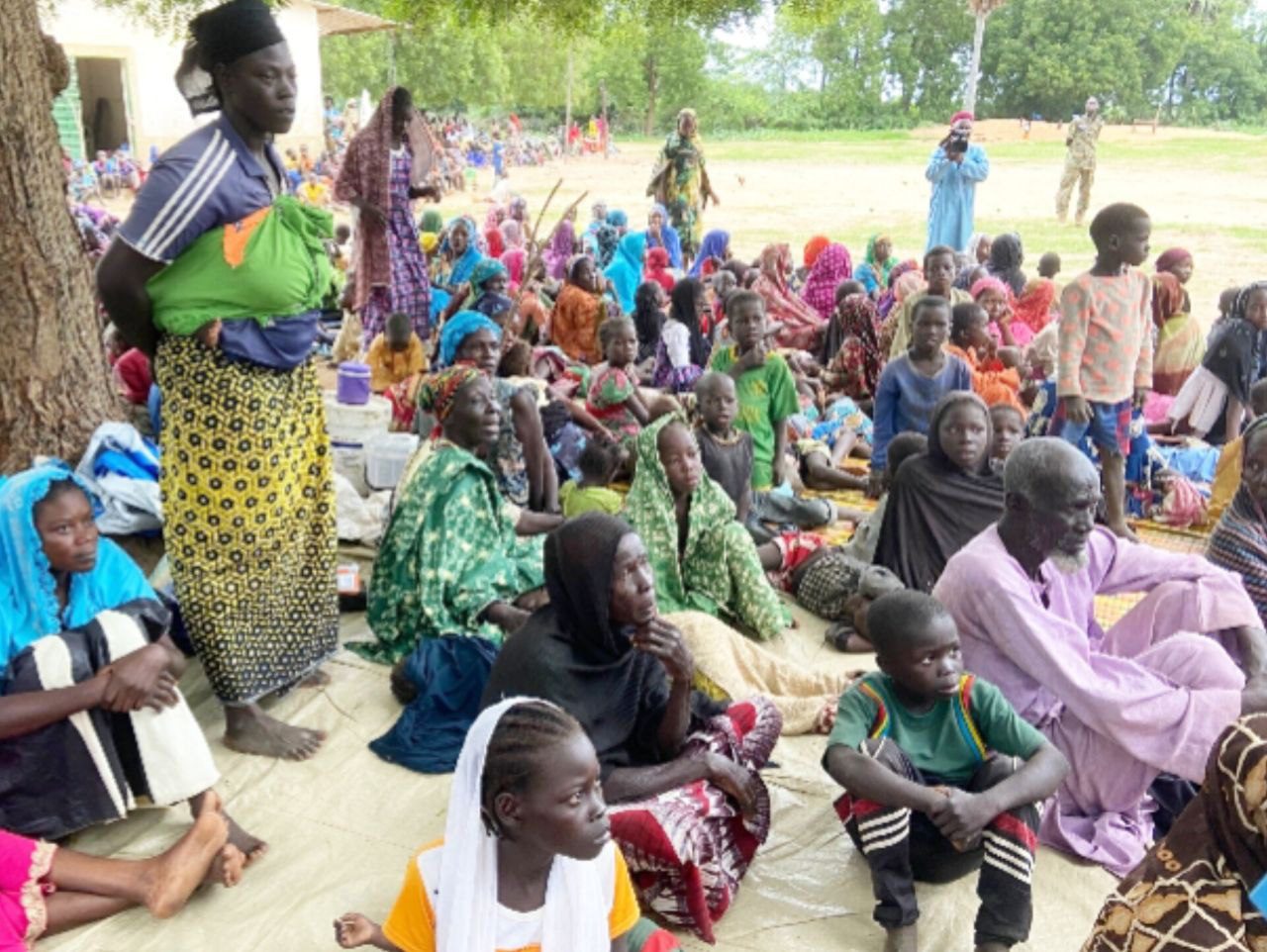
Yagoua, Far North Cameroon — Just two kilometers from the departmental capital of Mayo-Danay lies Ouro Dabang, a camp housing over 500 families displaced by the catastrophic floods of 2024. These floods, caused by the overflow of the Logone River, submerged entire villages, forcing residents to abandon their homes and livelihoods.
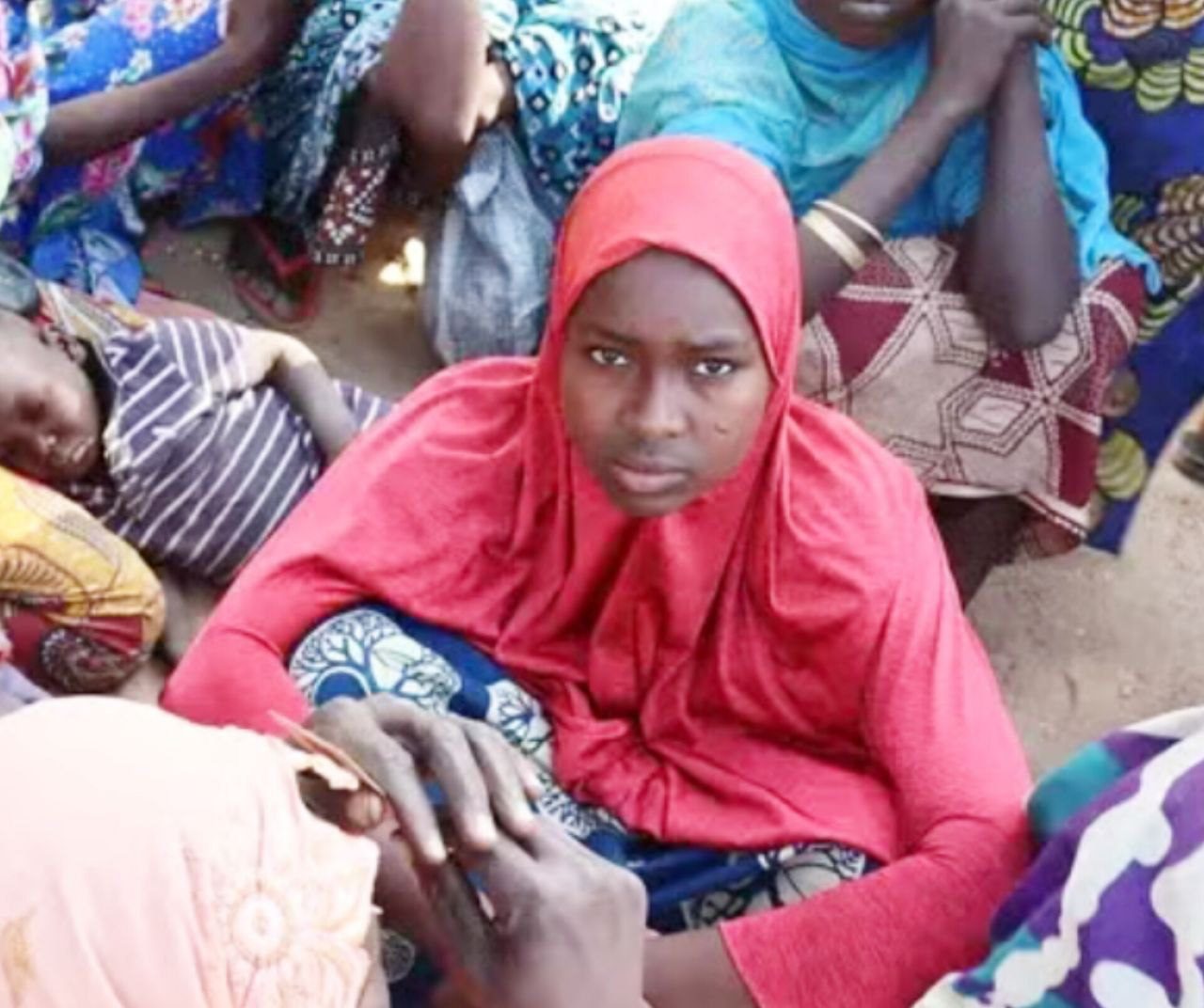
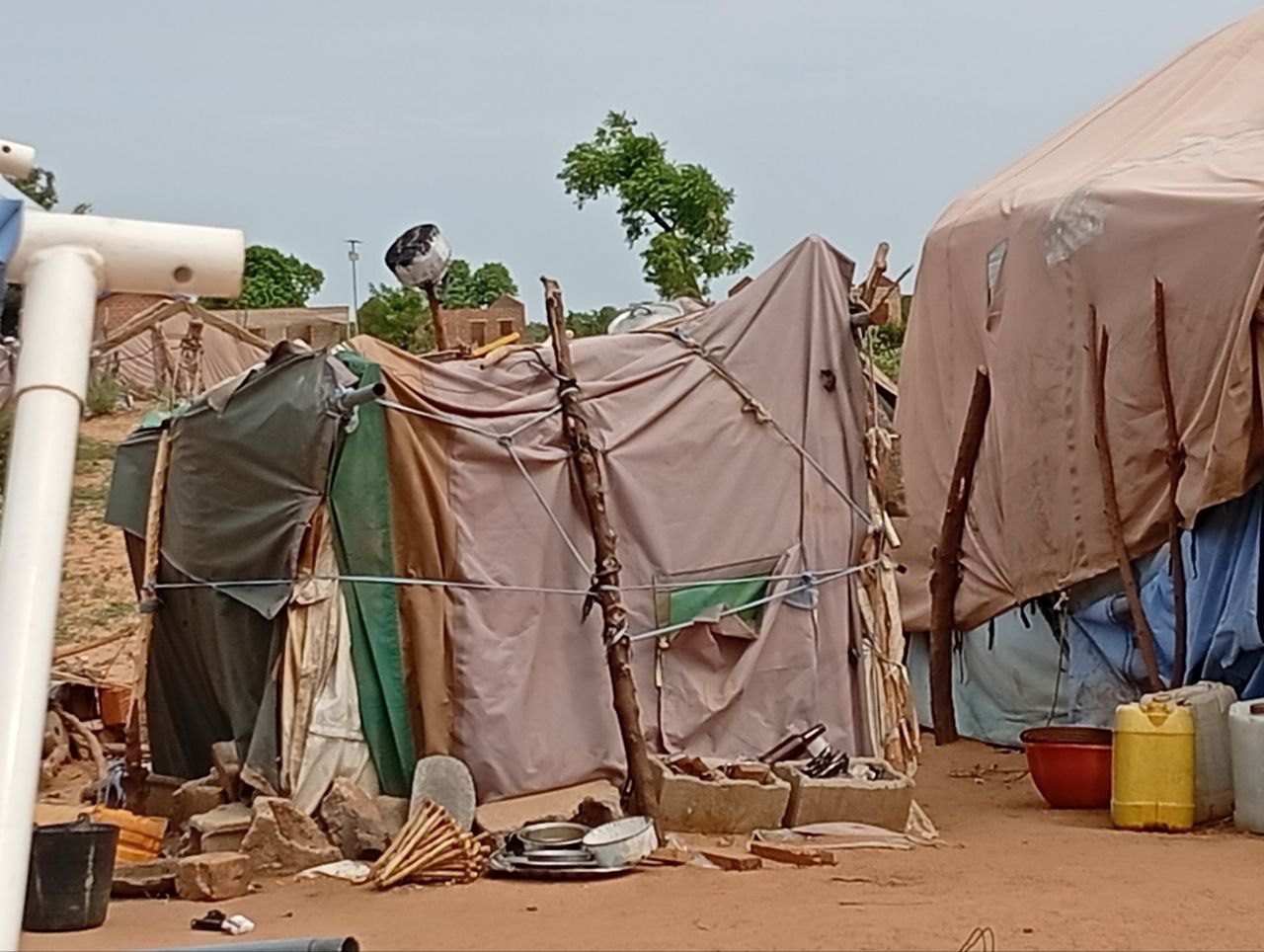
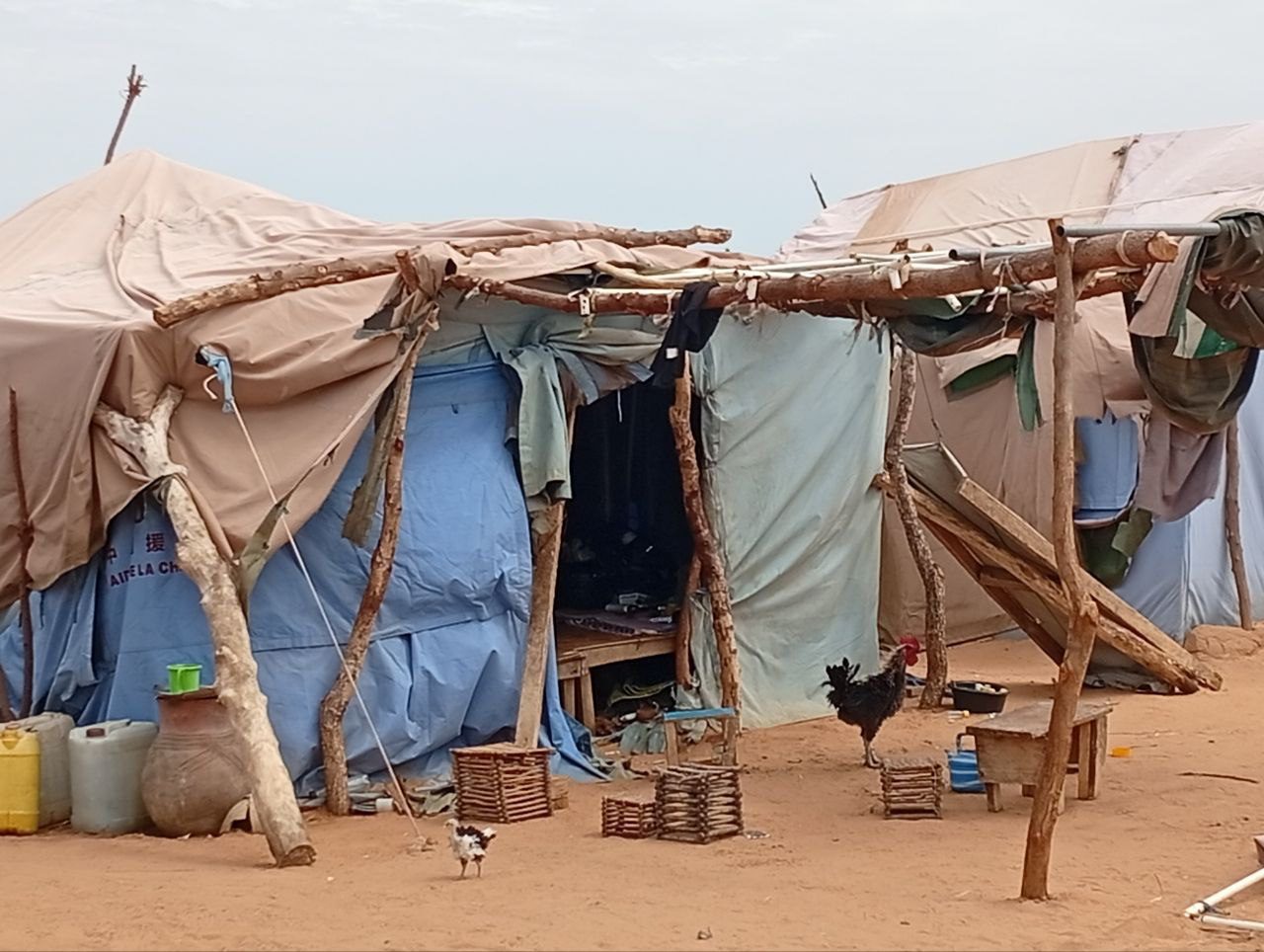
Today, those affected live in precarious conditions with no access to proper shelter, food, or healthcare. The displaced population—comprising women, men, and a large number of children—struggles daily for survival under a system that appears to have moved on.
A Health Crisis Unfolding in Silence
In Ouro Dabang, childbirth occurs without medical oversight. Women give birth in makeshift shelters, directly on the ground, without hygiene, assistance, or pain relief. “There is no midwife, no ambulance—just fear,” says Aïssatou, a 34-year-old mother of six. Her youngest child was born in the camp without medical care or even a blanket.
The absence of basic health services has led to rising infant mortality, malnutrition, and untreated illness. Residents report a complete lack of medicine, health posts, or any formal assistance. Nights bring anxiety, as diseases spread and snake bites go untreated.
Promises Made, Then Silence
A high-profile visit by the Secretary-General of the Presidency, along with the regional governor and other government officials, once gave camp residents hope. “That day, we believed things would change,” one local resident recalled. “There were tears—tears of hope.”
During the visit, government officials made public promises of assistance, relocation, and sustainable support. Since then, there has been no follow-up, no implementation, and no response. As one resident put it, “It’s been silence—like a cemetery.”
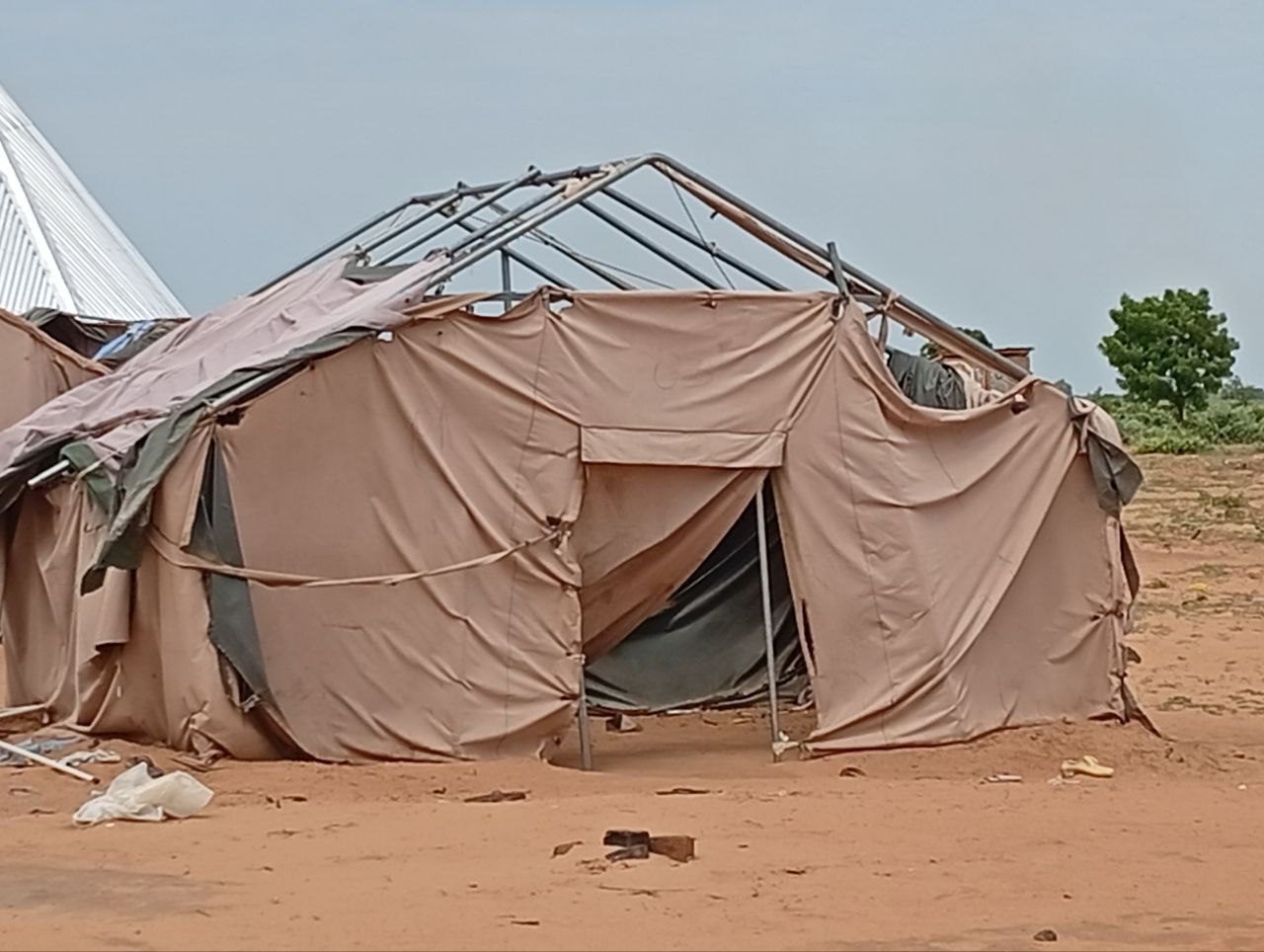
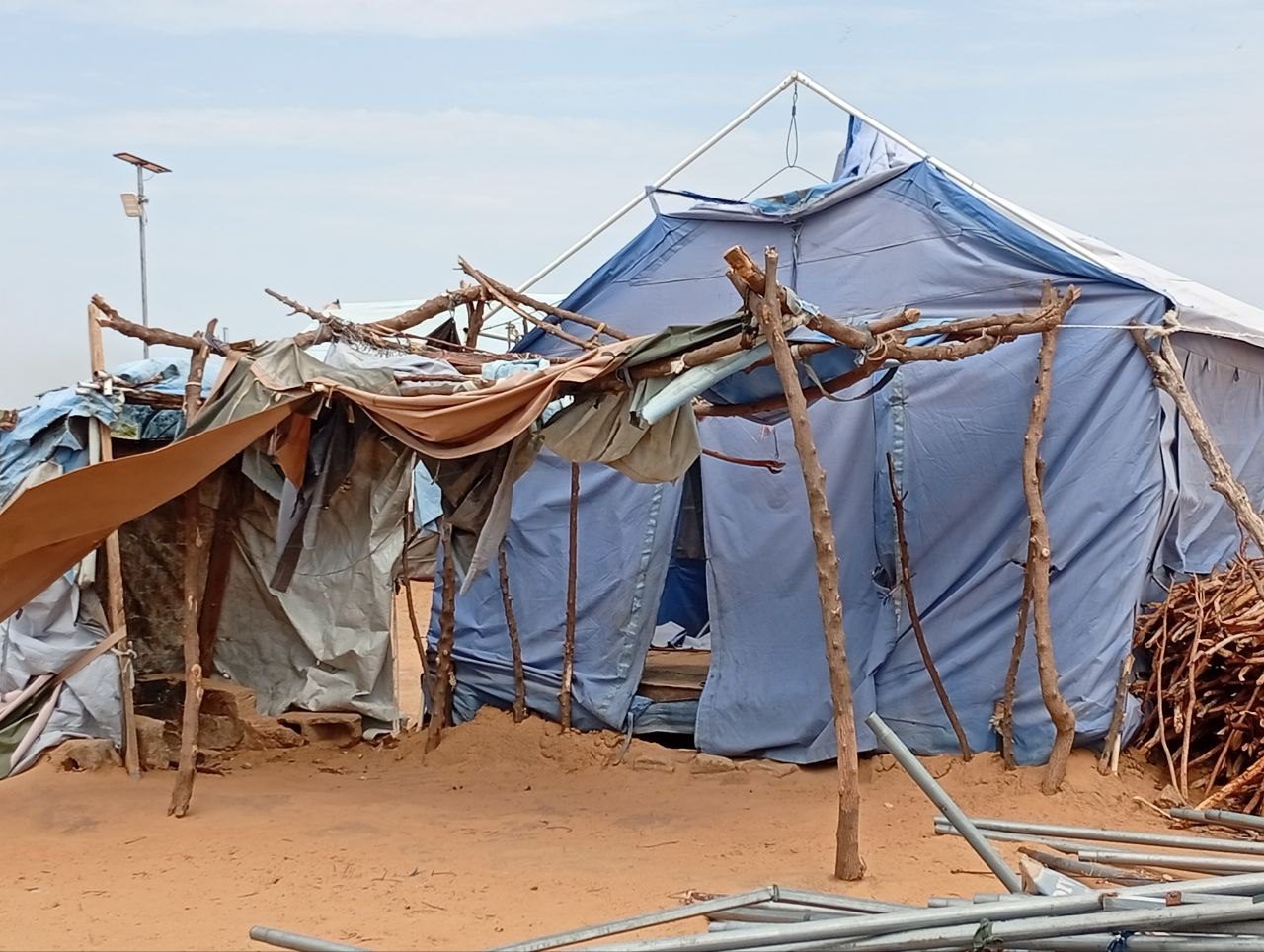
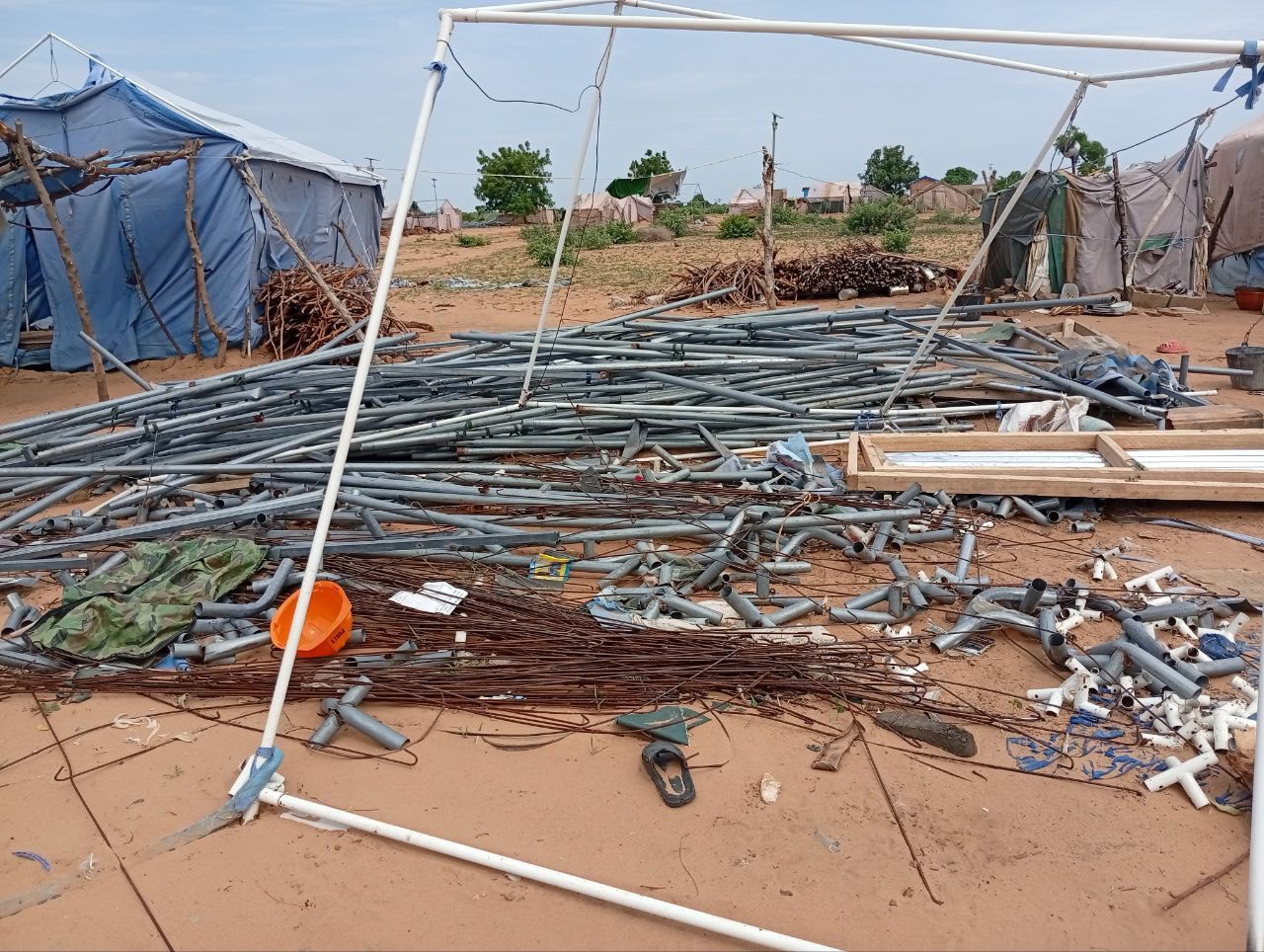
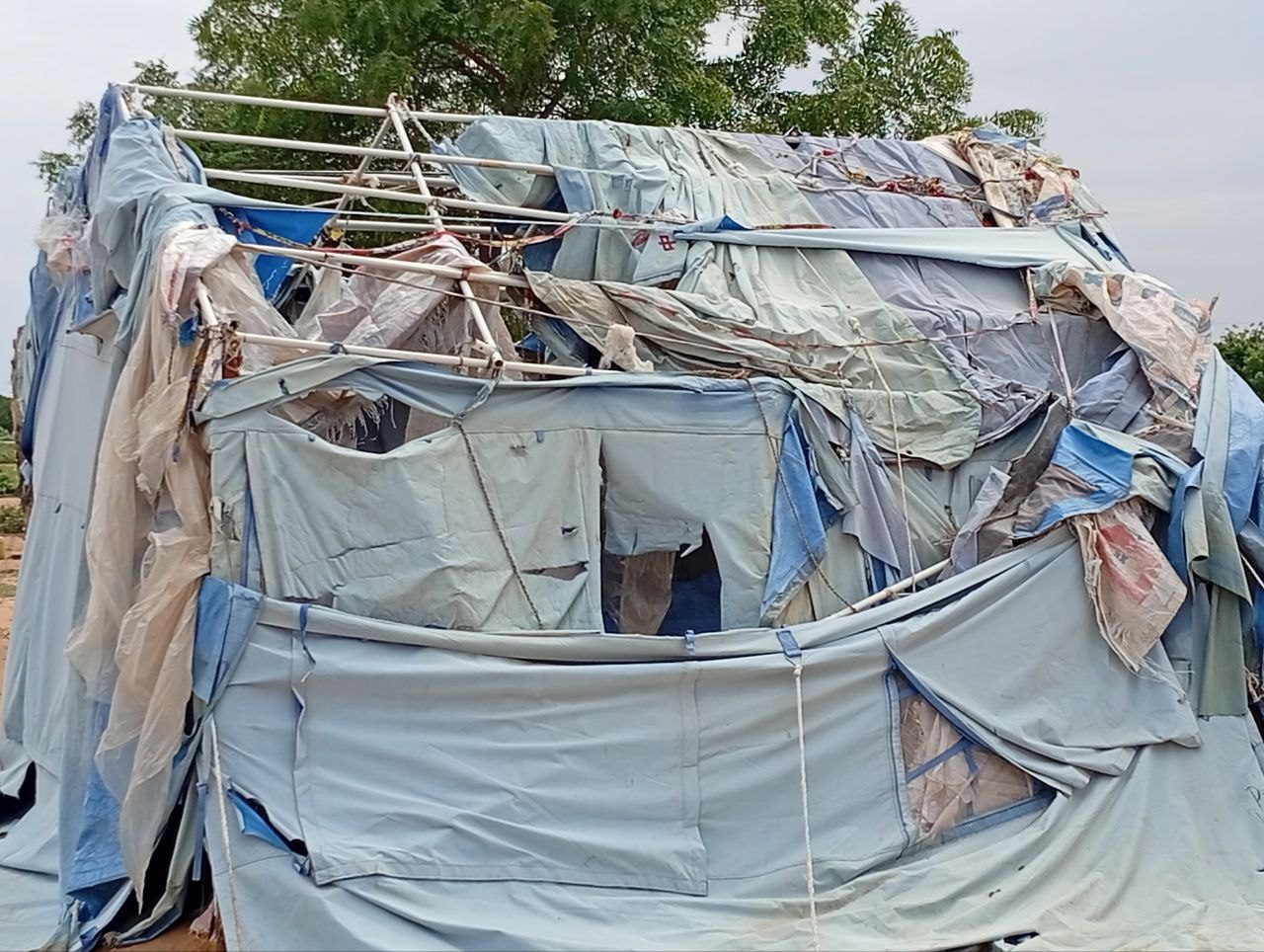
Hunger, Exposure, and Unrelenting Hardship
After the temporary tents provided during the initial emergency were destroyed by strong winds, families were left exposed once again to the elements. As the rainy season returns, memories of last year’s devastation resurface.
Food insecurity is a daily reality. Women walk long distances to gather firewood, selling it for minimal income to buy small quantities of flour or rice. Even salt is a luxury. “Children cry more from hunger than from sleep,” one mother noted.
A Humanitarian Gap in Ouro Dabang
The situation in Ouro Dabang highlights a broader failure in disaster response and post-crisis management. Despite the initial attention and public declarations, no long-term relocation plan or regular aid has been delivered.
“The Logone River took everything from us—our homes, our fields, and our dignity,” Aïssatou said. “Now we are not living. We are just waiting.”
Residents of Ouro Dabang are not just displaced—they are marginalized. The camp stands today as a symbol of unmet commitments and a stark reminder of the need for consistent, inclusive policy in climate disaster response.
*Translated from French and adapted for English publication

