


By Tata Mbunwe
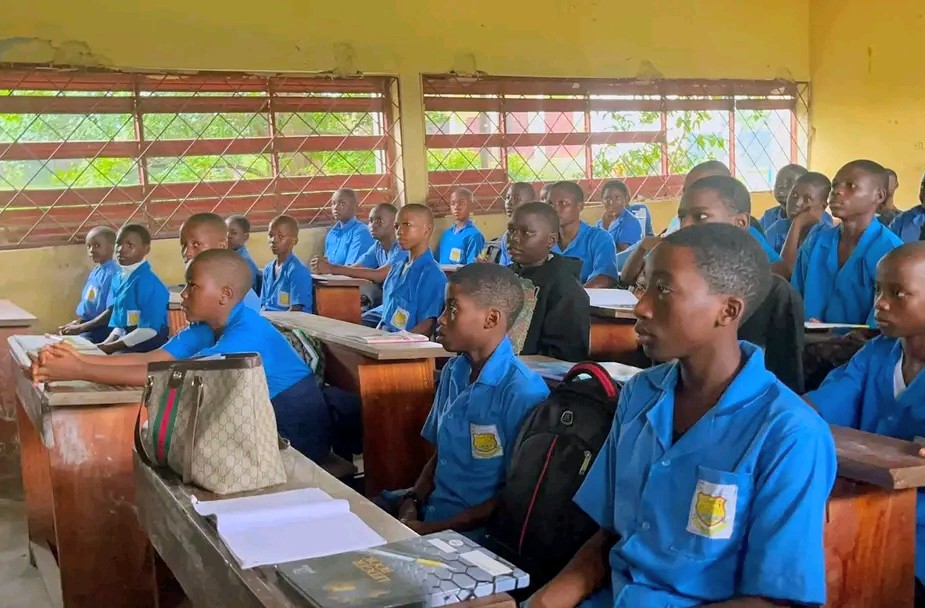
More than 100,000 secondary school students resumed classes in Cameroon’s two Anglophone regions by the second week of a school resumption, despite a separatist-imposed lockdown that began on September 7 and grounded many institutions as the 2026/2027 academic year got underway.
In the South West Region, 68,000 students were present in schools as of September 15 across 300 out of the region’s 400 secondary schools, according to regional authorities.
Governor Bernard Okalia Bilai told state media that 3,000 out of an expected 7,000 teachers had reported for work by the same date.
“The activity rate, as of today, is above 80 percent, compared to the past year,” he told CRTV on Friday, September 18.
“We continue to invite all the stakeholders to continue to sensitize the parents because there is this problem of fear,” Okalia Bilai added.
In the North West Region, Governor Adolphe Lele L’Afrique said 53,000 secondary school students and 26,000 primary school pupils had returned to school by the second week of school resumption.
“We want first of all to thank the school community in the North West region who have decided to disobey the orders given by separatists and terrorists to prevent children from going to school,” he said.
“It is as a result of that refusal to obey them that we record some incidents in Bamenda after the one in Wum. We therefore call on the population to continue their mobilisation to send back their children to school,” Lele L’Afrique added.
The improved turnout comes despite a weeklong lockdown imposed by separatist groups, which has been used annually to disrupt education and draw international attention to their demands for independence.
The lockdown has been characterised by violence, including an attack on Government Teachers’ Training College (GTTC) Wum on September 8, during which a police officer was killed and five teachers, including the school principal, were abducted. The teachers were later released on September 9.
Attackers believed to be Separatist fighters also killed three travellers in Ekona, South West region, last Saturday, September 12, for driving during the lockdown.
The second week of school resumption came with conflicting lockdown calls from separatist groups, but activities ultimately resumed in most Anglophone towns and villages against the Separatists’ dictates.
At a meeting in Yaounde on Friday, bringing together the Ministers of Secondary and Basic Education and the Governors of the two Anglophone regions, Prime Minister Chief Dr. Joseph Dion Ngute called on security forces to tighten security measures to protect teachers, learners, and administrative staff in the North West and South West regions.
The conflict, which began in 2017, has repeatedly disrupted education in the Anglophone regions. Schools have been frequently targeted by armed groups seeking to force the government to concede to their demands.
Despite the challenges, authorities say the increased turnout suggests a growing community resistance to the lockdowns and a determination to keep children in school.