


Lawmakers in the French National Assembly have approved a new bill aimed at simplifying the return of African artefacts taken during the colonial era, marking a significant shift in France’s approach to cultural restitution. The vote, held earlier this week, is being seen as a major step toward addressing long-standing historical grievances tied to colonial looting and ownership of cultural heritage.
The legislation had already received support from the French Senate, clearing a key hurdle before its adoption by the lower house. Once fully implemented, the law is expected to fast-track the restitution process, particularly for formal requests already submitted by African countries including Mali, Algeria, and Benin.
Thousands of African Artefacts Held in French Museums
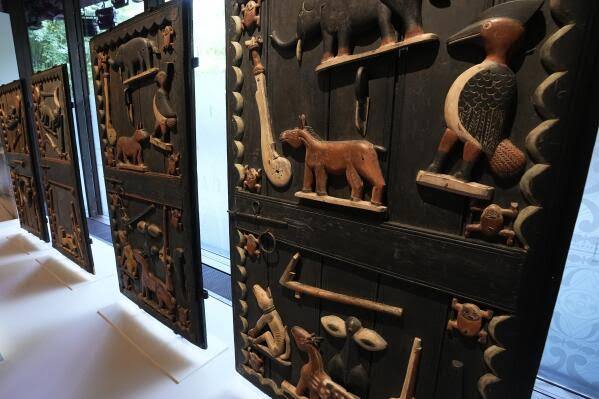
France currently holds tens of thousands of African artefacts, many of which were taken during the colonial period and are now displayed in major museums and national collections. Until now, the legal framework governing their return has been slow and restrictive, often requiring individual parliamentary approval for each object or collection.
The newly approved bill aims to remove these procedural barriers, replacing them with a more streamlined mechanism that allows for quicker and more consistent decision-making. Analysts say this could significantly accelerate the return of looted cultural property to African nations.


Emmanuel Macron Pushes Restitution Agenda
French President Emmanuel Macron has been a central figure in advancing the restitution debate, repeatedly acknowledging the injustices associated with France’s colonial past. His administration has framed the return of artefacts as part of a broader effort to reset diplomatic and cultural relations between France and African countries.
Macron’s stance aligns with growing international calls for former colonial powers to confront historical injustices and return looted cultural heritage to their countries of origin.
Rising Pressure from African Nations
The move comes amid increasing demands from African governments, historians, and cultural institutions for the repatriation of artefacts. For many African societies, these objects carry deep cultural, spiritual, and historical significance, representing identity, memory, and continuity disrupted by colonial extraction.
Critics argue that continued possession of these artefacts by European institutions perpetuates colonial-era inequalities, while supporters of restitution see their return as essential to justice, reconciliation, and cultural sovereignty.
Global Impact on Cultural Heritage Debates
If fully enacted, the legislation could pave the way for the return of thousands of artefacts and establish a precedent for other former colonial powers facing similar restitution claims. The development is being closely watched by governments, museums, and international cultural organisations worldwide, as it may signal a broader shift in global debates over heritage ownership and post-colonial accountability.
As pressure mounts, France’s policy shift could reshape how nations address the legacy of colonial-era cultural appropriation and redefine the future of museum collections across Europe.

