



For a child in Cameroon’s North-West or South-West, an ordinary school timetable carries a promise. There will be a teacher tomorrow, a place to sit and someone who will notice if a lesson is missed. After years of disruption in the Anglophone conflict, keeping that promise takes work long after a school reopens.
How the conflict reached the classroom
The name Anglophone Cameroon comes from the territory’s history. After Germany’s defeat in the First World War, Britain and France divided the administration of what had been German Kamerun. Today’s North-West and South-West regions were then part of British-administered Southern Cameroons, where schools followed the British model and courts used English common law, as described in International Crisis Group’s history of the conflict.
In a United Nations-supervised vote in 1961, Southern Cameroons chose to join the already independent Republic of Cameroon over joining Nigeria. A separate state was not on the ballot. Southern Cameroons became West Cameroon within the new federation. In 1972, a national referendum replaced the federation with a single, centralised state. Many Anglophone Cameroonians later called for greater autonomy amid complaints of political and linguistic marginalisation, as documented by the UK House of Commons Library.
In late 2016, lawyers protested the appointment of French-speaking magistrates unfamiliar with common law and called for legal texts in English. Teachers went on strike over the appointment of French-speaking staff in schools and universities. Security forces broke up protests and arrested hundreds, as Amnesty International documented. On 1 October 2017, separatists unilaterally declared an independent state they called Ambazonia. Fighting between armed separatist groups and government forces followed.
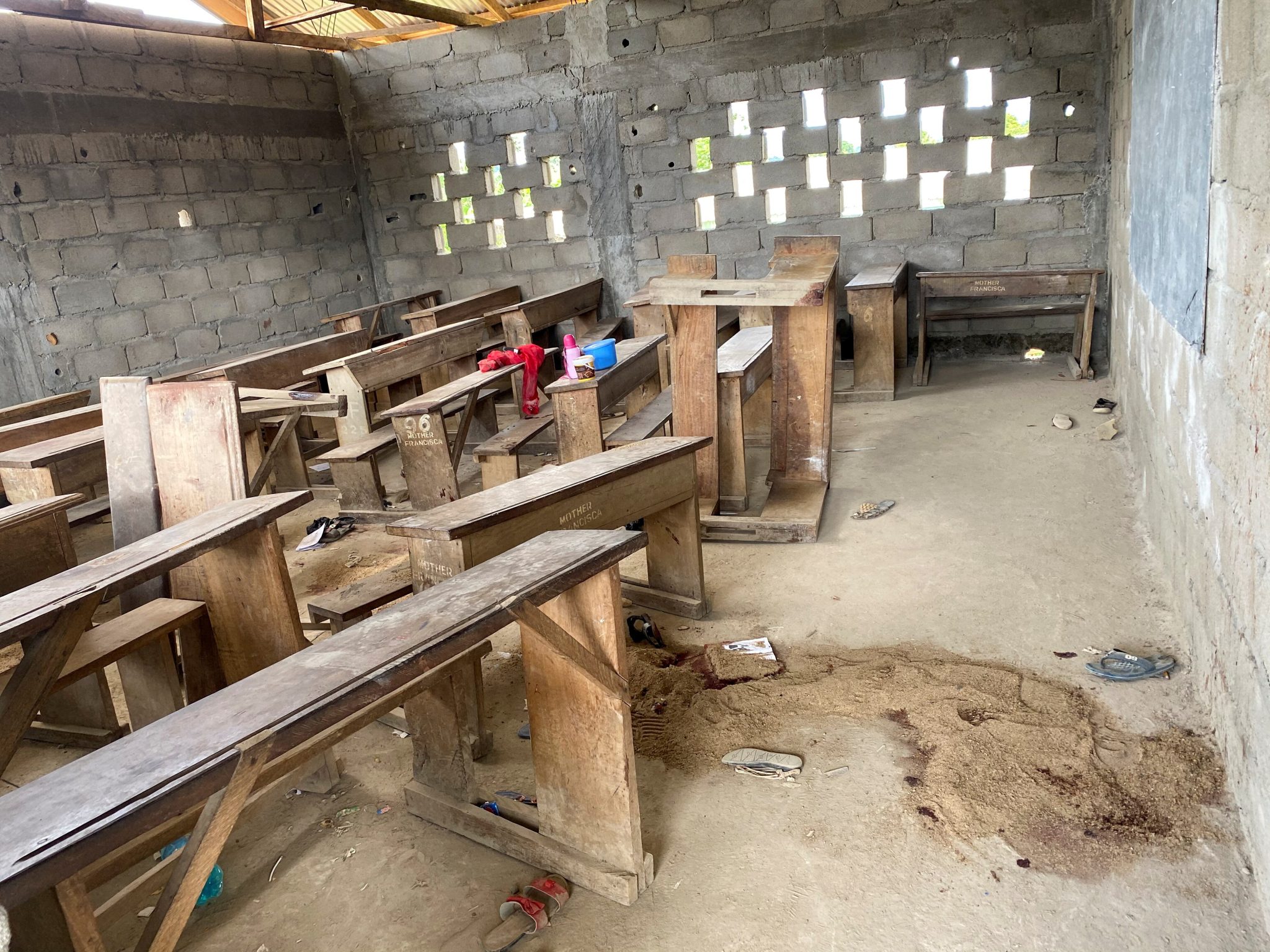
Schooling became part of the conflict. Armed separatist groups enforced school boycotts and imposed lockdowns, often called ghost towns, ordering people to stay home. Human Rights Watch documented attacks on school buildings and threats and abductions targeting pupils and teachers. The same report documented abuses by government forces, including the burning of a school that separatist fighters had used as a base.
A school can stay open on paper while a lockdown keeps pupils from travelling or displacement forces them to start over elsewhere. For pupils usually scheduled to take eight lessons a day, 20 missed school days could mean 160 missed lessons, as MMI News reported during the September 2026 lockdown.
What reopening means for families
In September 2026, MMI News reported that regional authorities said more than 100,000 secondary school students had returned to class across the two regions by the second week of the new school year, despite a separatist-imposed lockdown. The same report documented an attack on the Government Teachers’ Training College in Wum on 8 September. A police officer was killed and five teachers were abducted. The teachers were released the next day. When families weigh whether it is safe to send a child back, events like these are part of that decision.
The children who were still out of school also need to be counted. On 11 September 2026, UNICEF Cameroon cited regional basic education authorities who reported 223,749 children out of school and 2,463 schools out of operation across the two regions. The reopening figures tell us how many secondary students returned in the early weeks. Parents and teachers have a further question. Can pupils keep attending week after week?
For some children, the first step back is a catch-up class. UNICEF described how a 10-year-old girl who fled Bamenda with her parents attended holiday classes in Kumba. The programme, known as CARED, gives children who have missed school time to practise reading, writing and maths before returning to a regular classroom. Schools can build on that work by finding out what returning pupils already know and giving them time to catch up without shame.
Families also need a reliable way to hear about changes to school hours and to raise concerns privately. Education authorities should track how many schools are able to teach consistently and how many pupils are still attending several weeks into term. When a pupil stops coming, a discreet conversation with the family can help a teacher understand whether the barrier is safety, transport, fees or gaps in learning.
As a Christian writer, I am drawn to the moment in the Gospels when Jesus welcomes the children his disciples try to turn away. For Christians, including those of us outside Cameroon, that is an invitation to listen to what families say they need and offer help regardless of what they believe. A church or community group can help with books or supervised study where it is safe to do so. Providing safe education remains the duty of public authorities.
When a school reopens, the first day matters. So does the ordinary morning weeks later when a child packs a bag expecting the teacher to be there.
Douglas Vandergraph is a Christian writer and speaker.